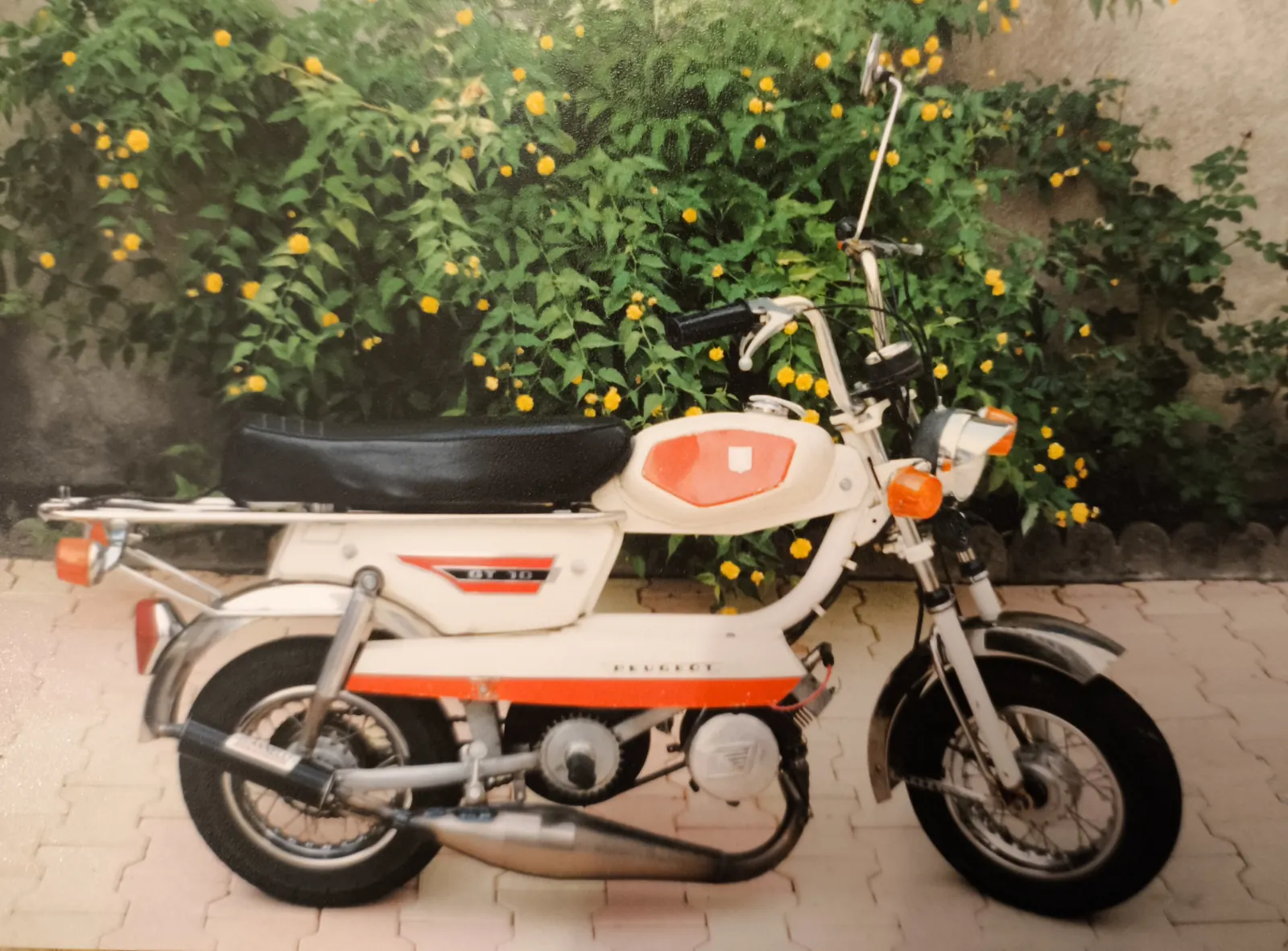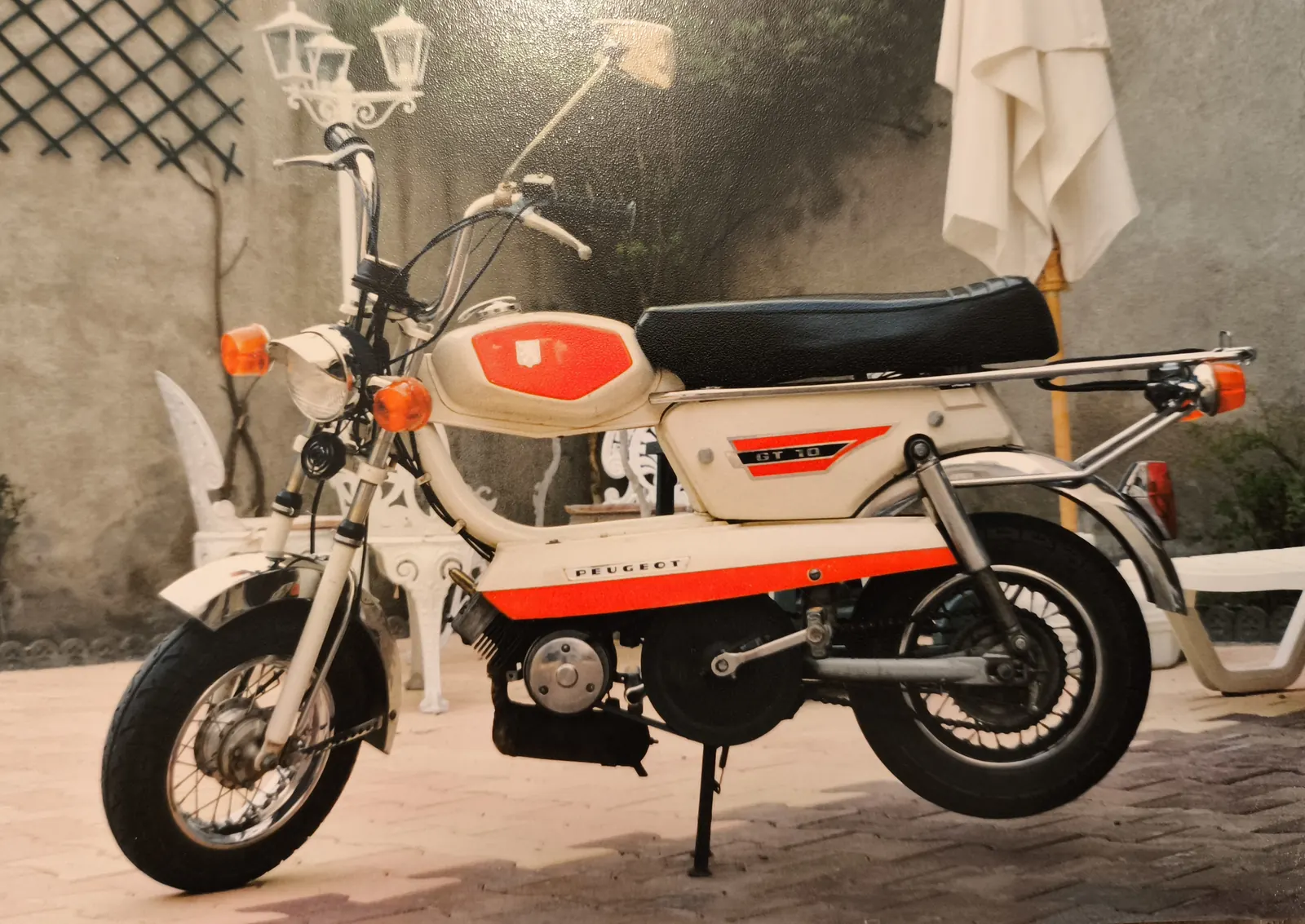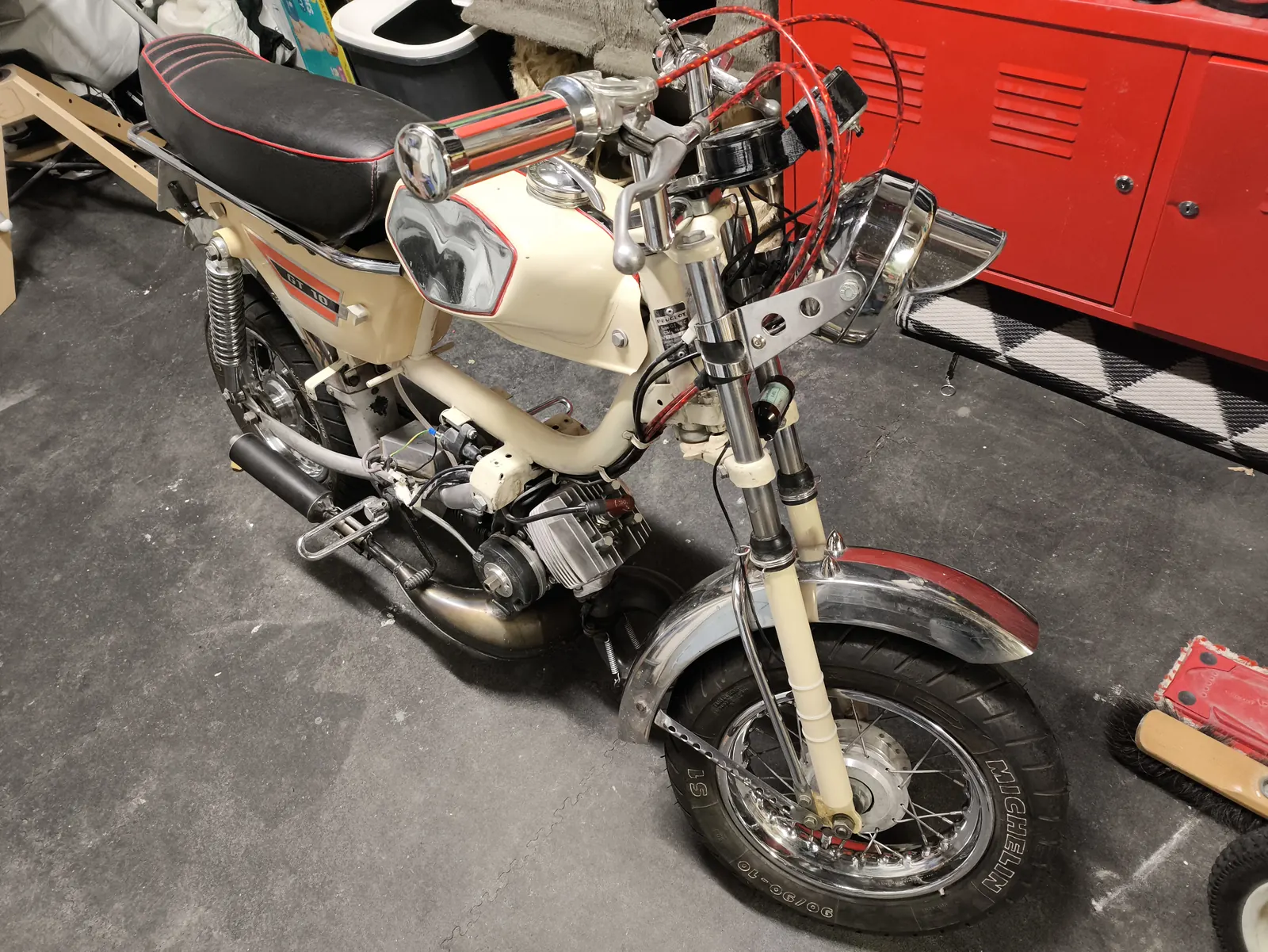
Peugeot GT10 · 1972

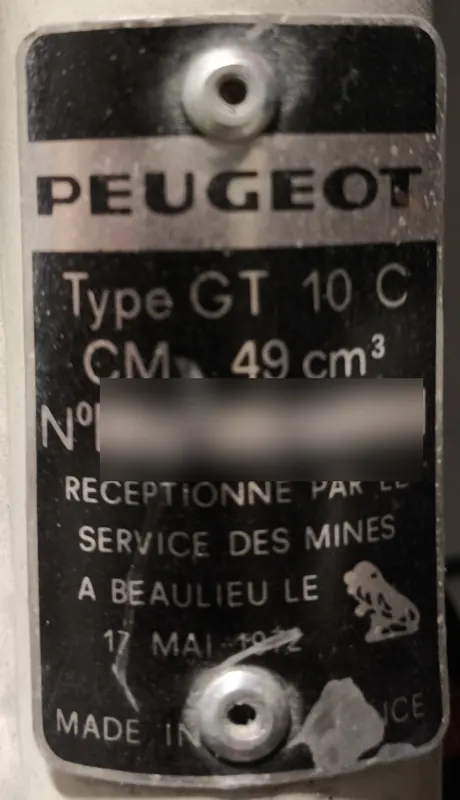
Type GT 10 C · 49 cc stock · 1972

Peugeot GT10

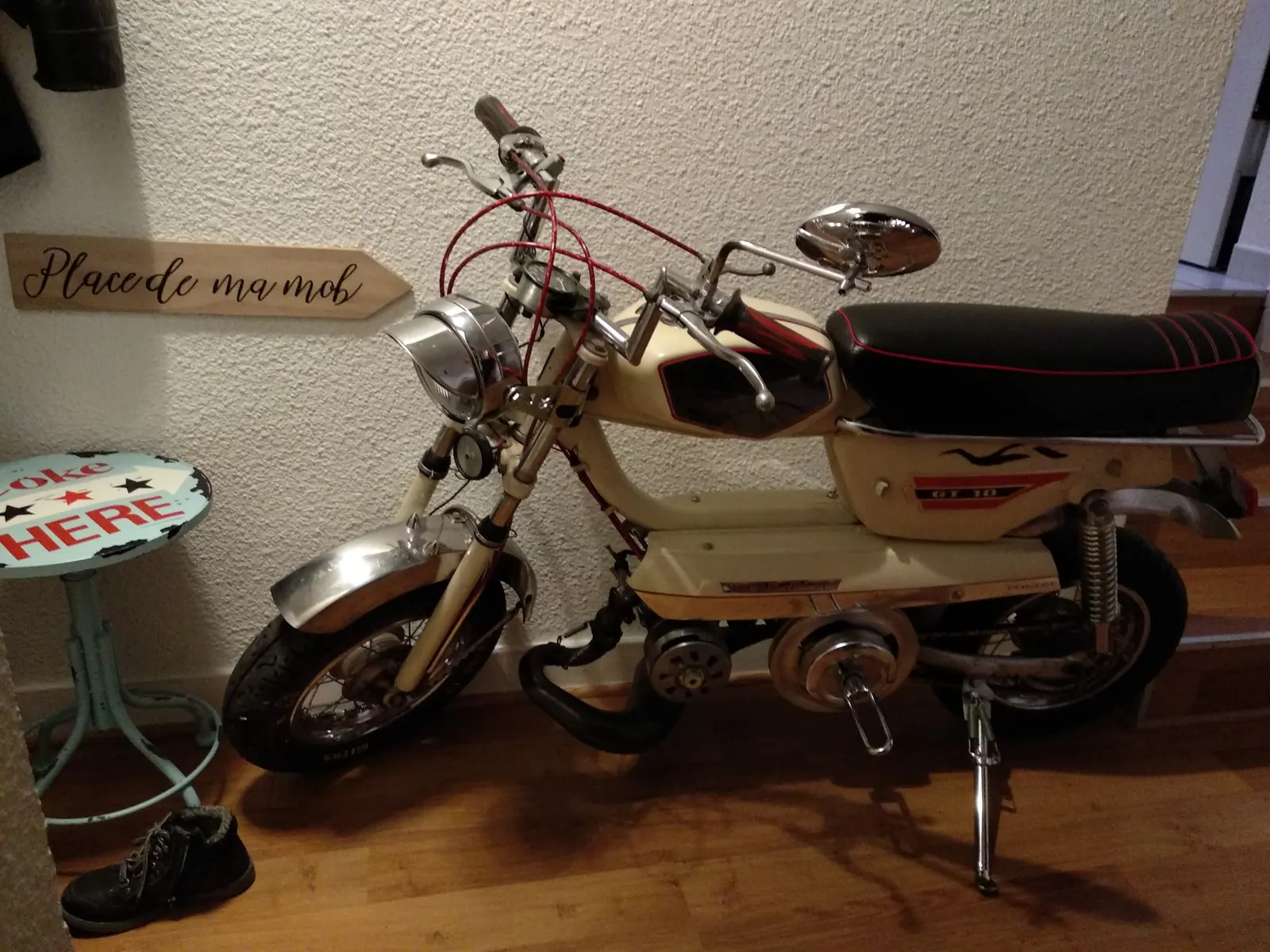
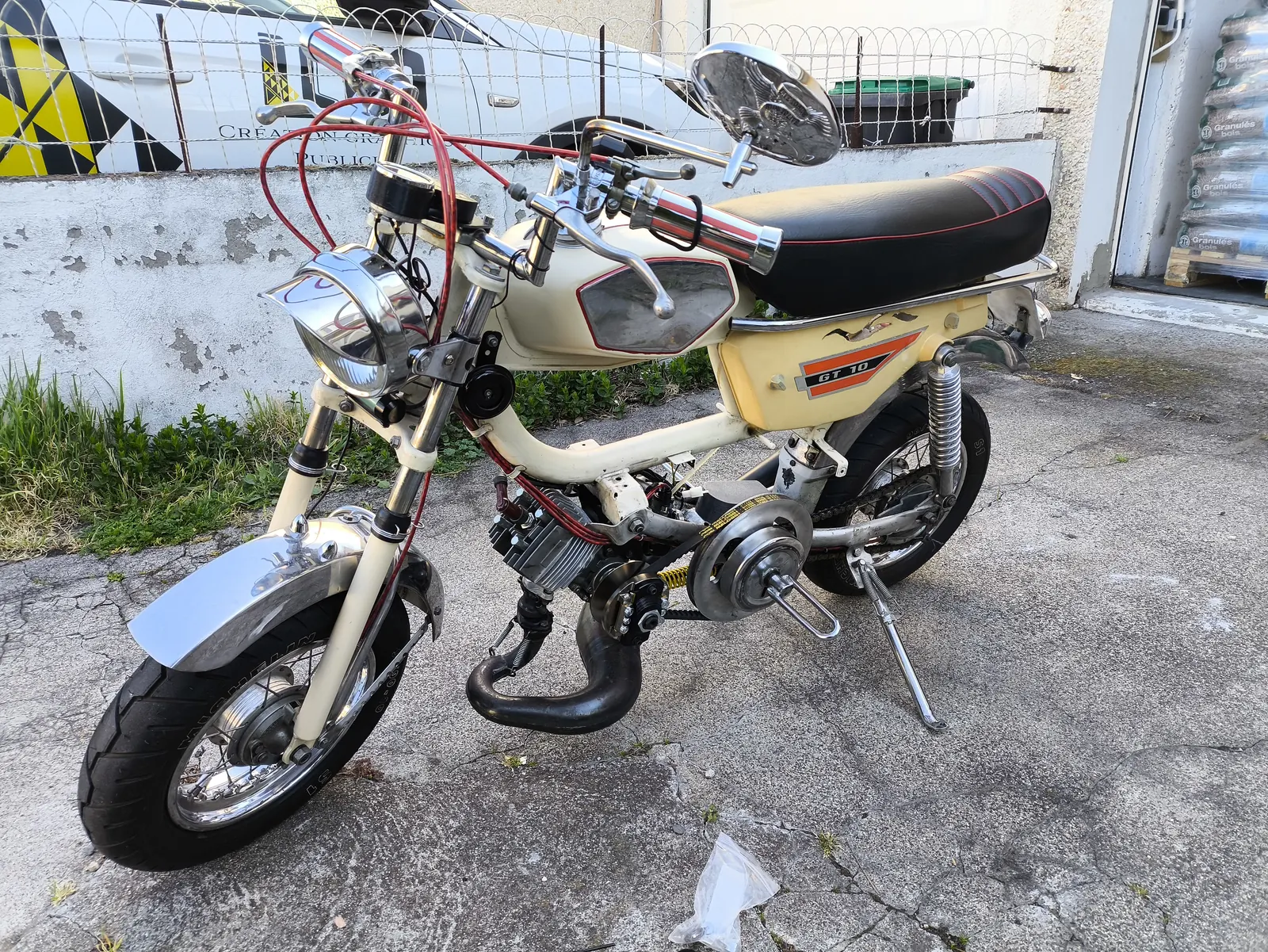
Small wheels, big character. My 1972 Peugeot GT10, built by hand, from the cellar to the garage.

Polini 70 cc Dell'Orto 21 Polini Sport Doppler ER3
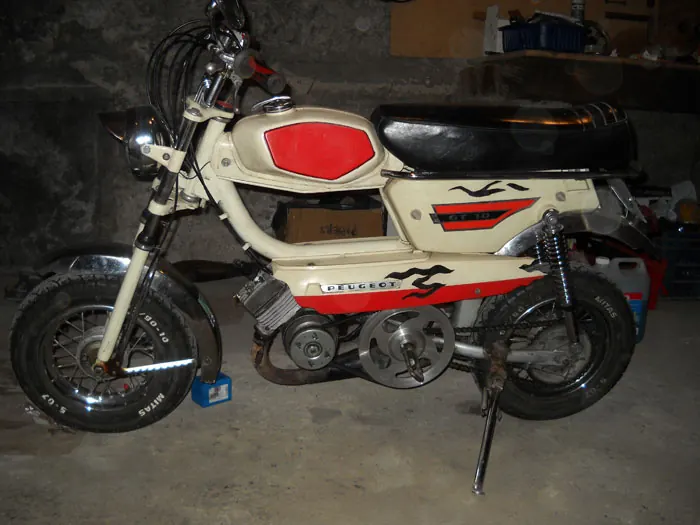
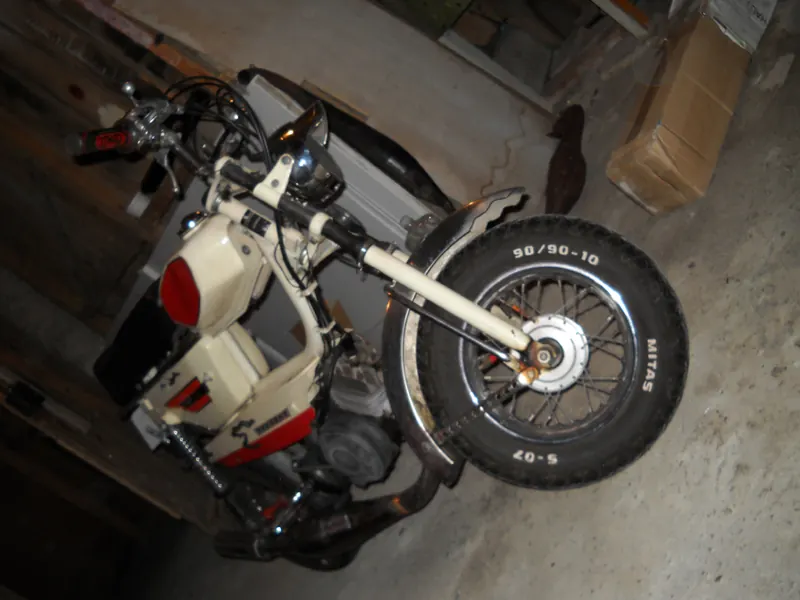
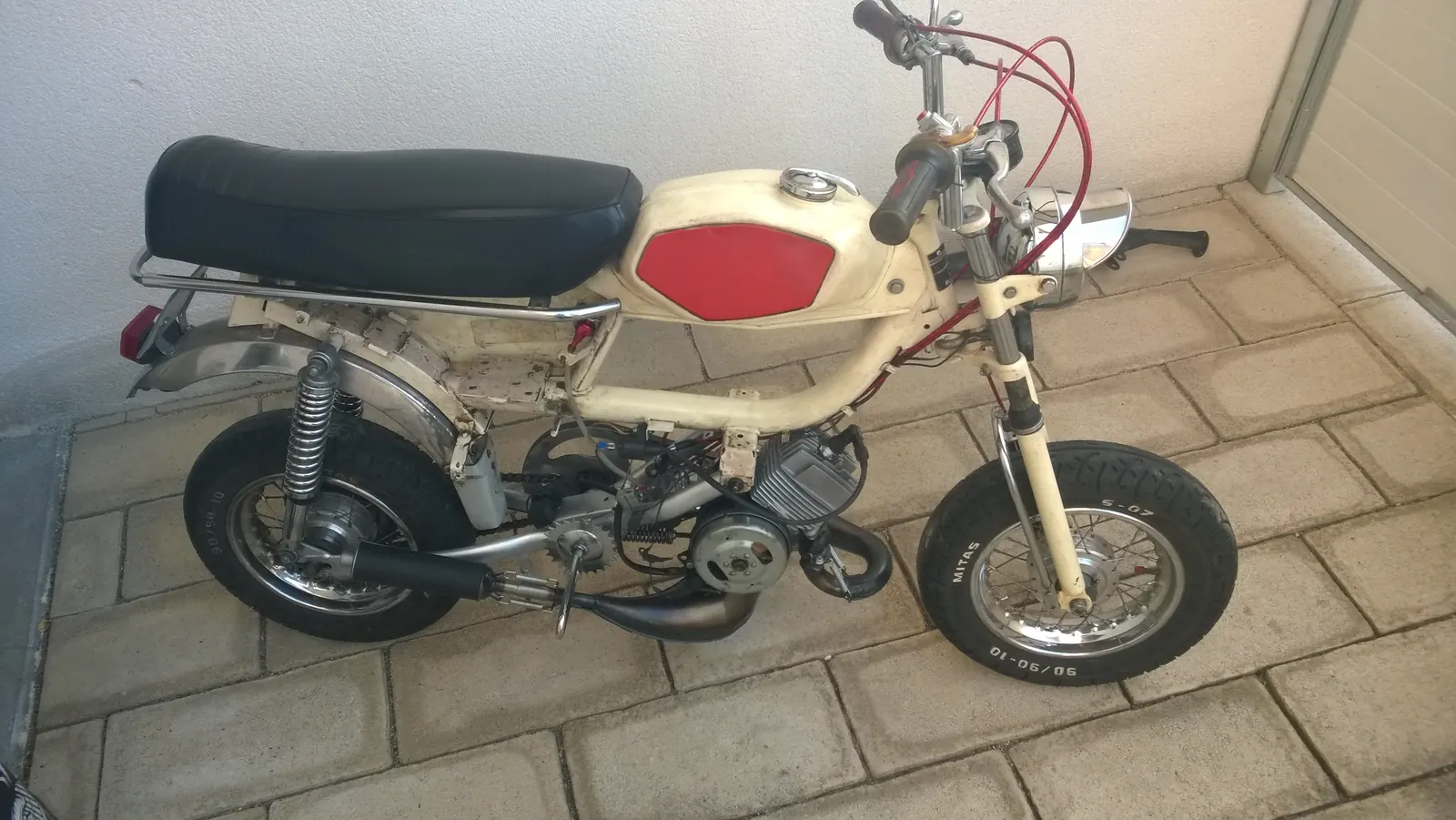
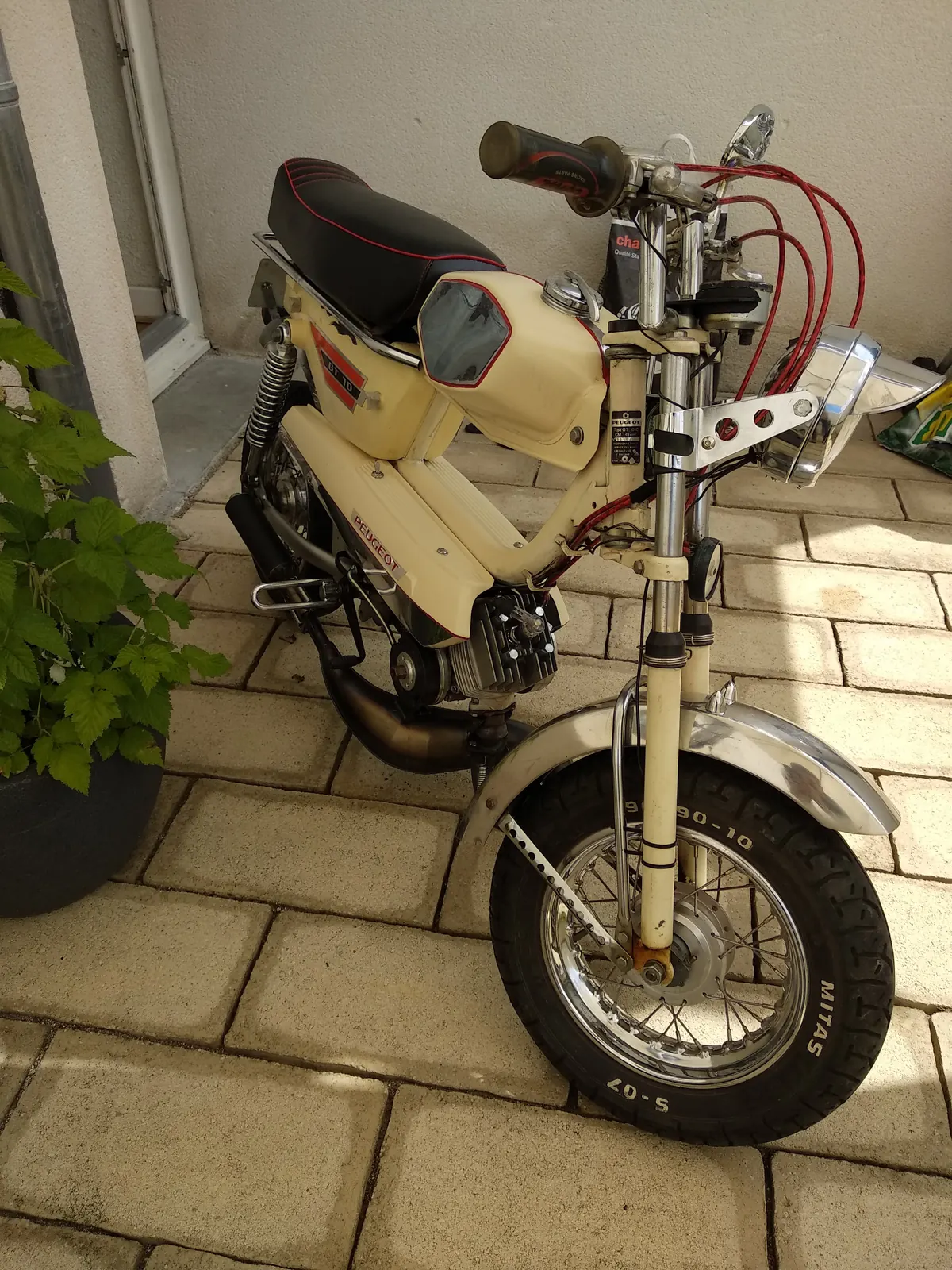
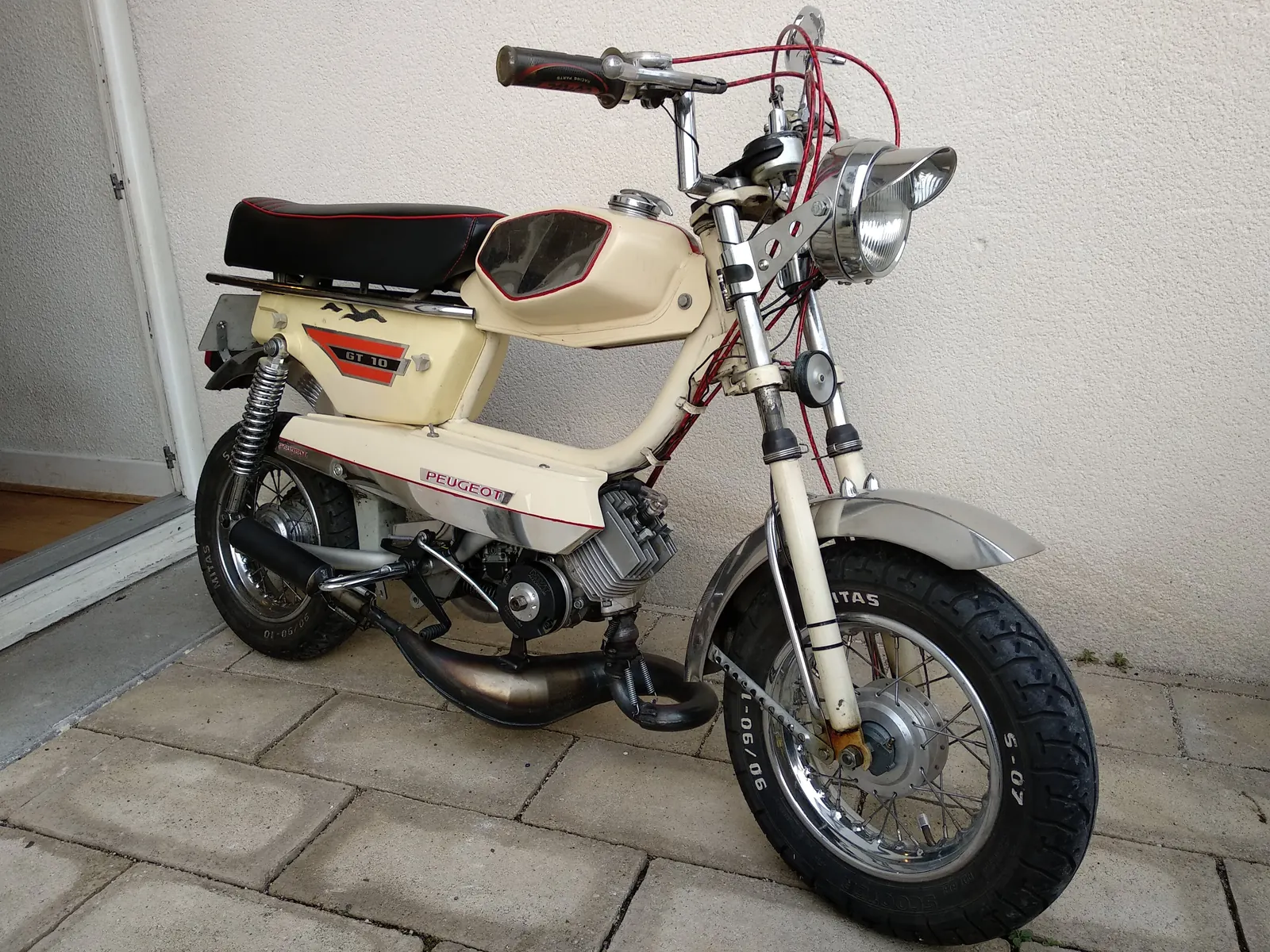
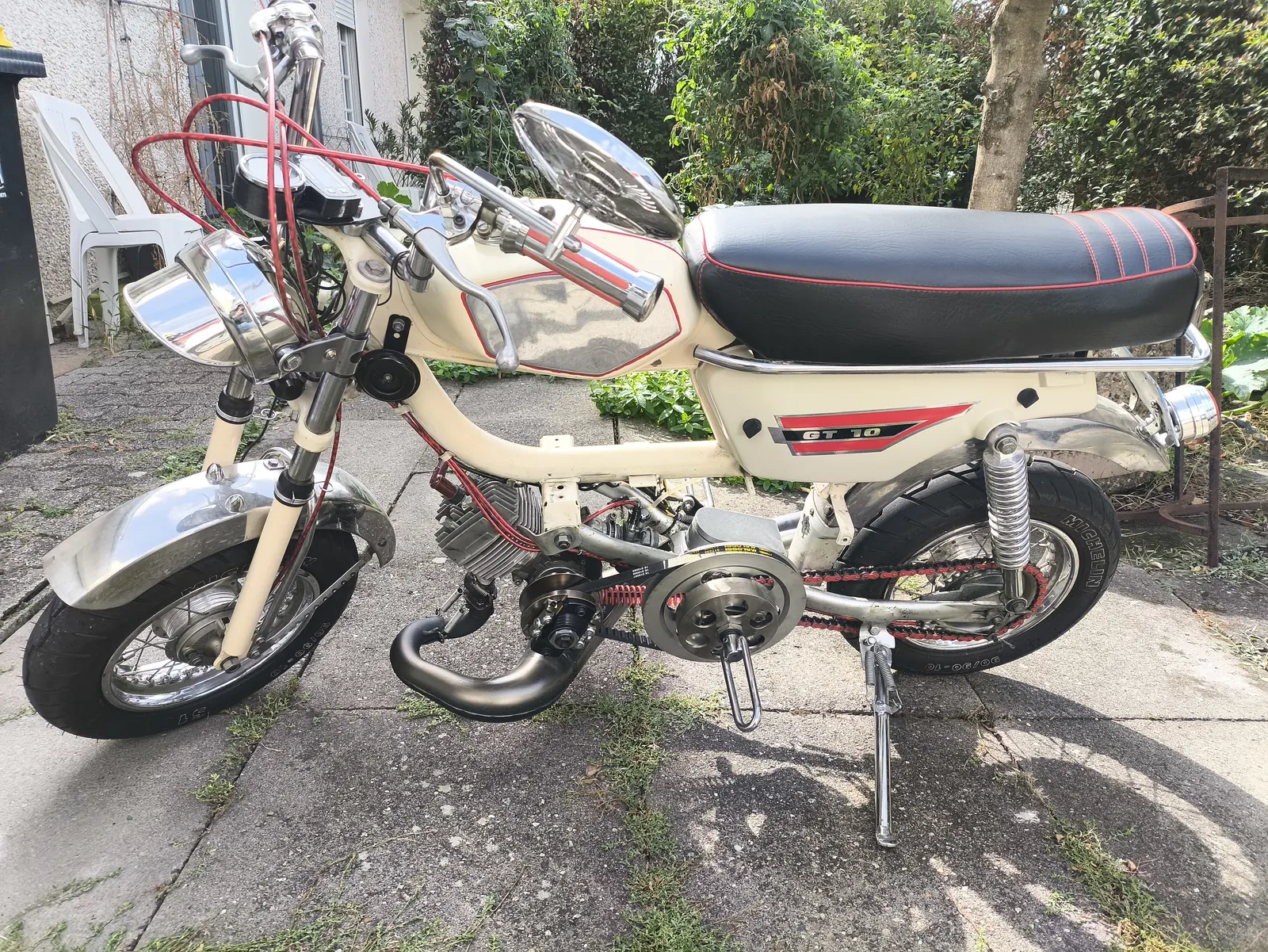
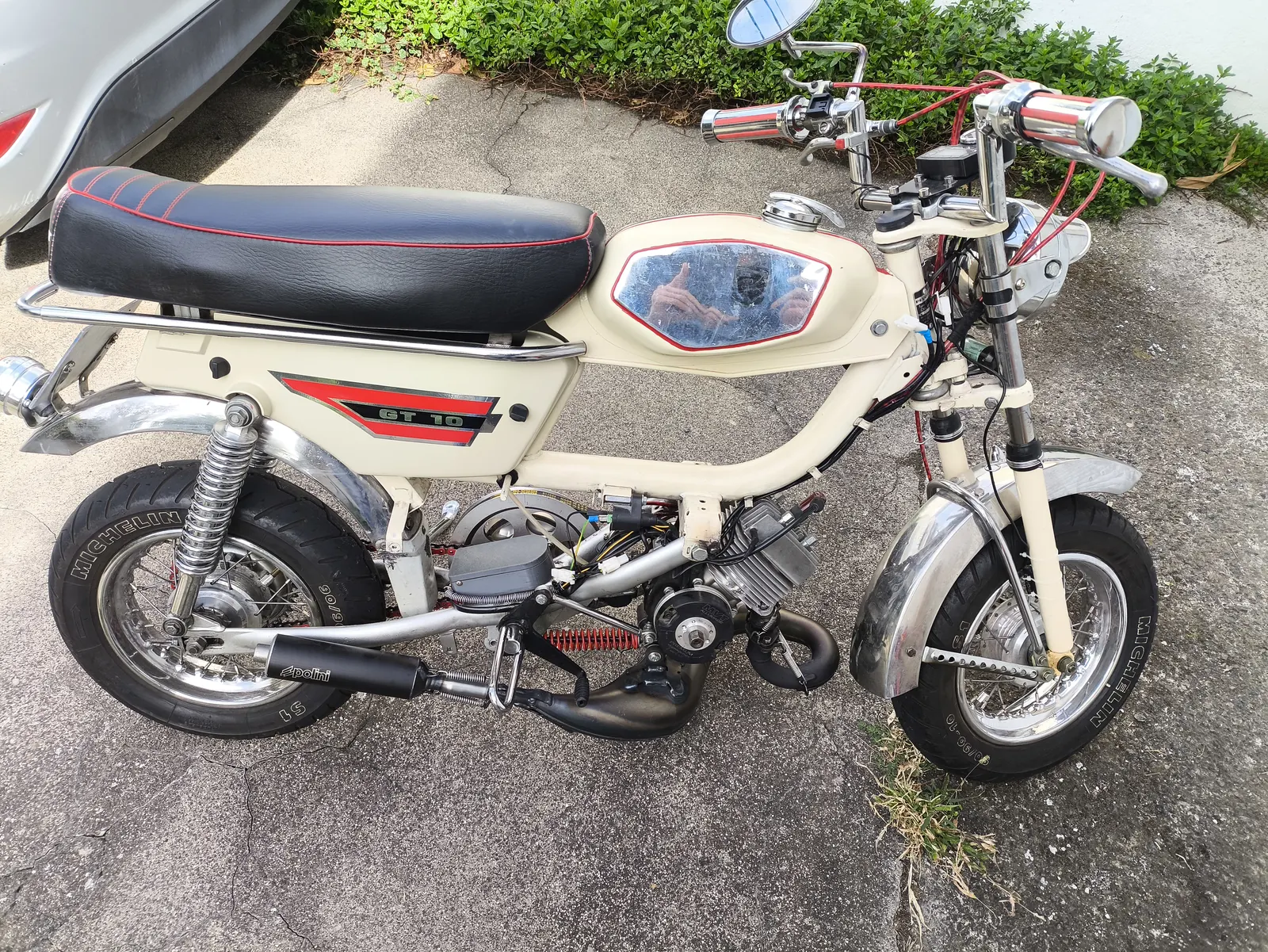
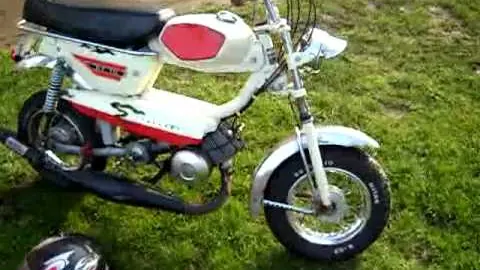
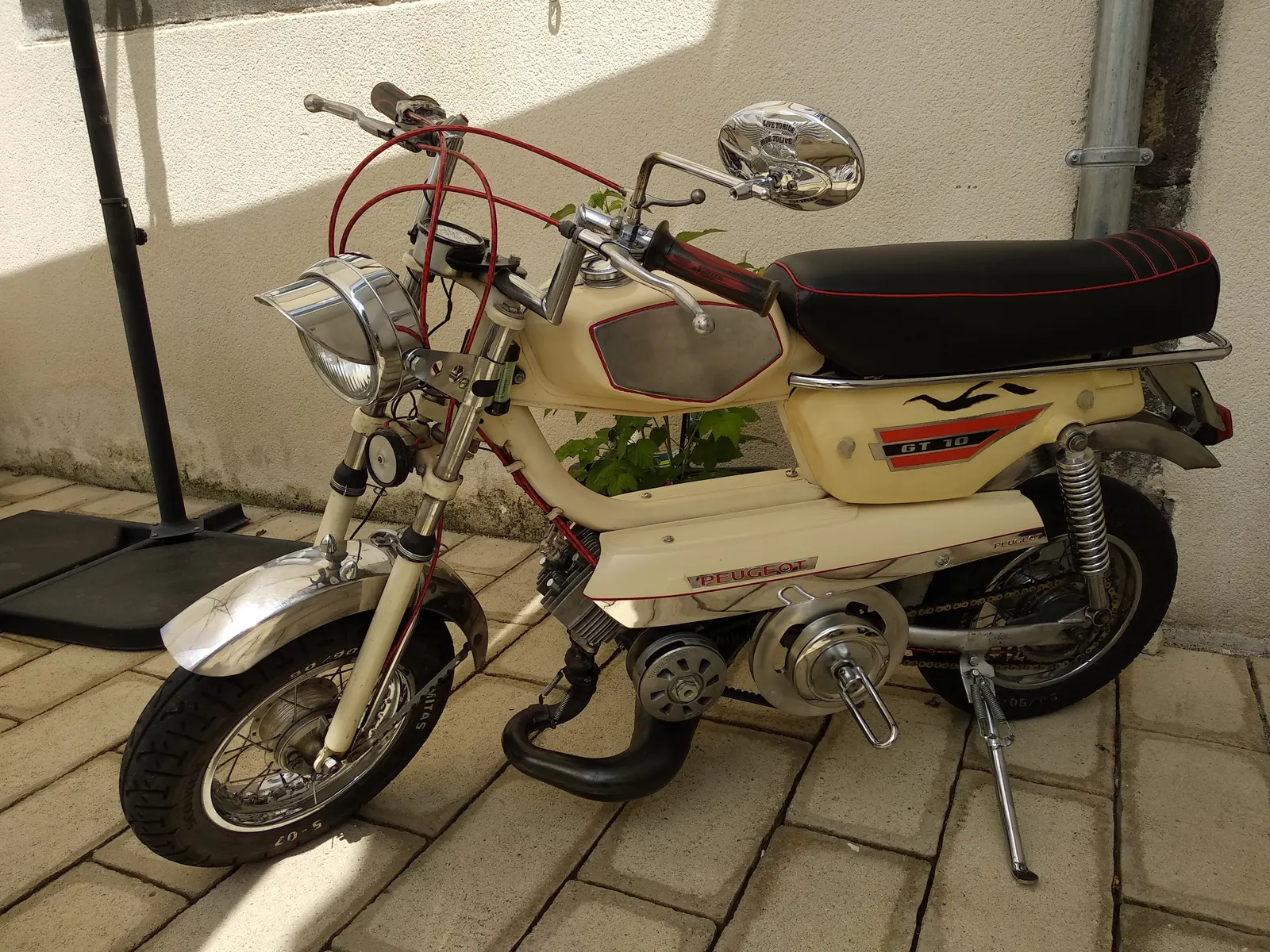
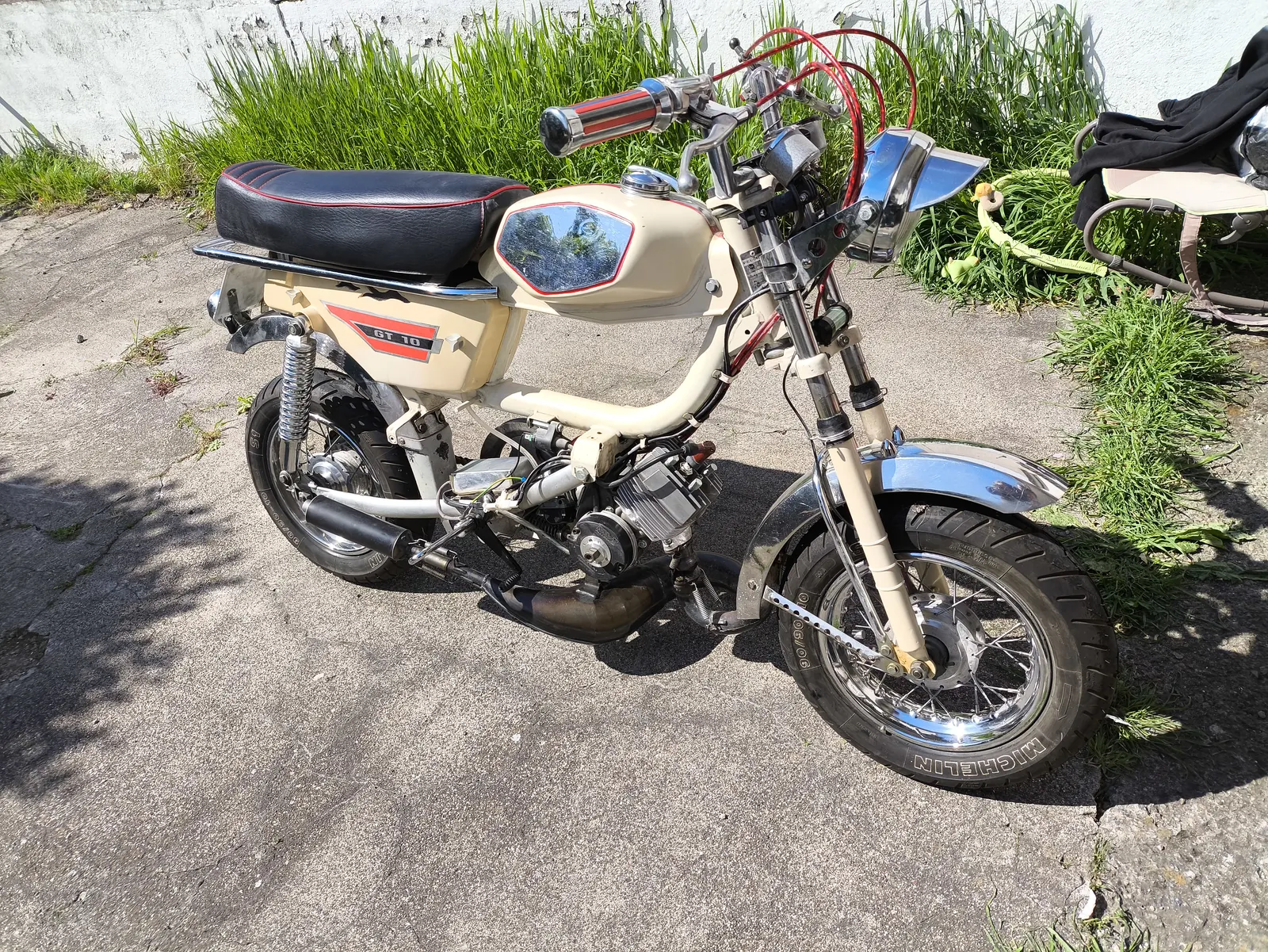
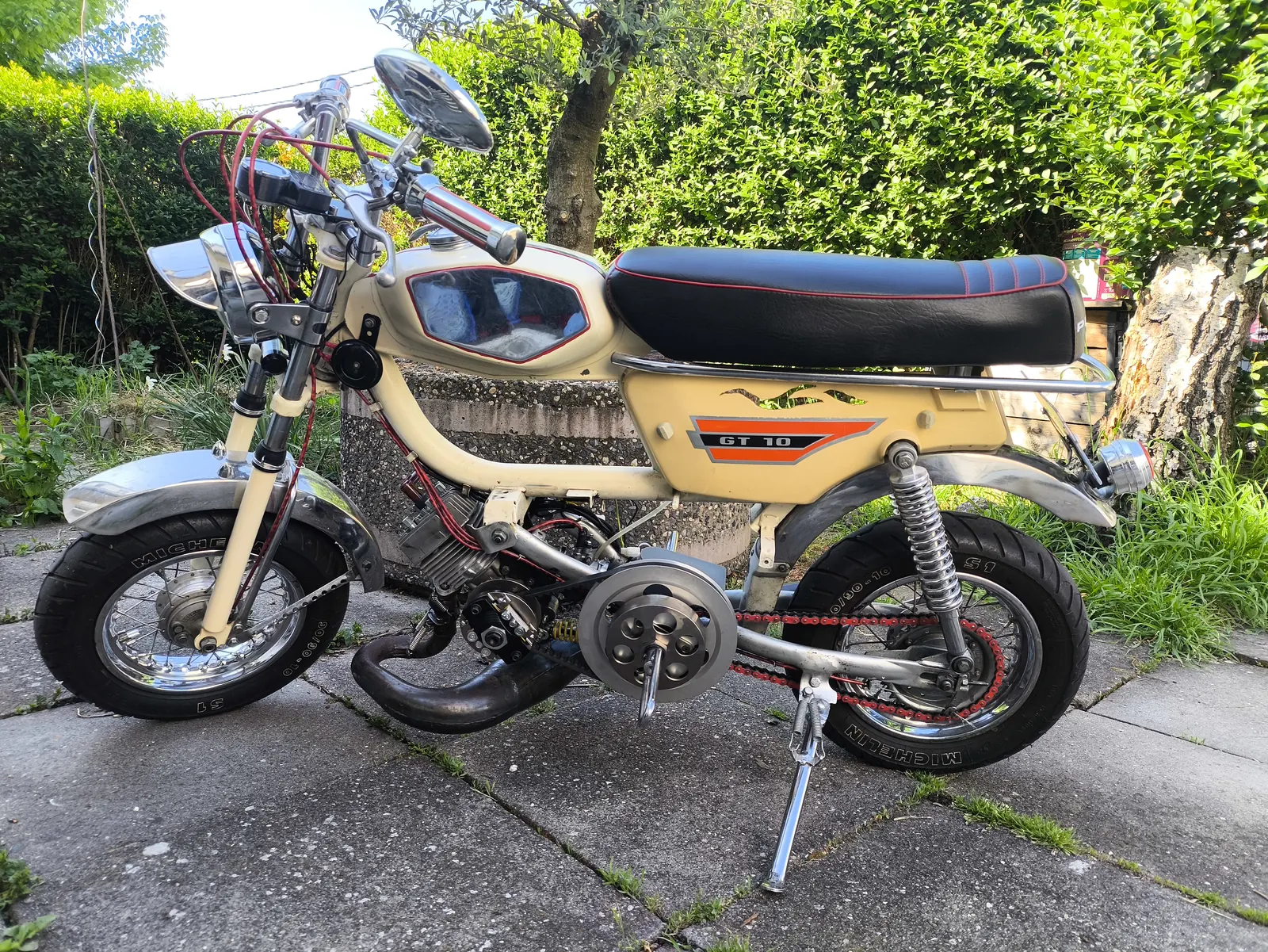
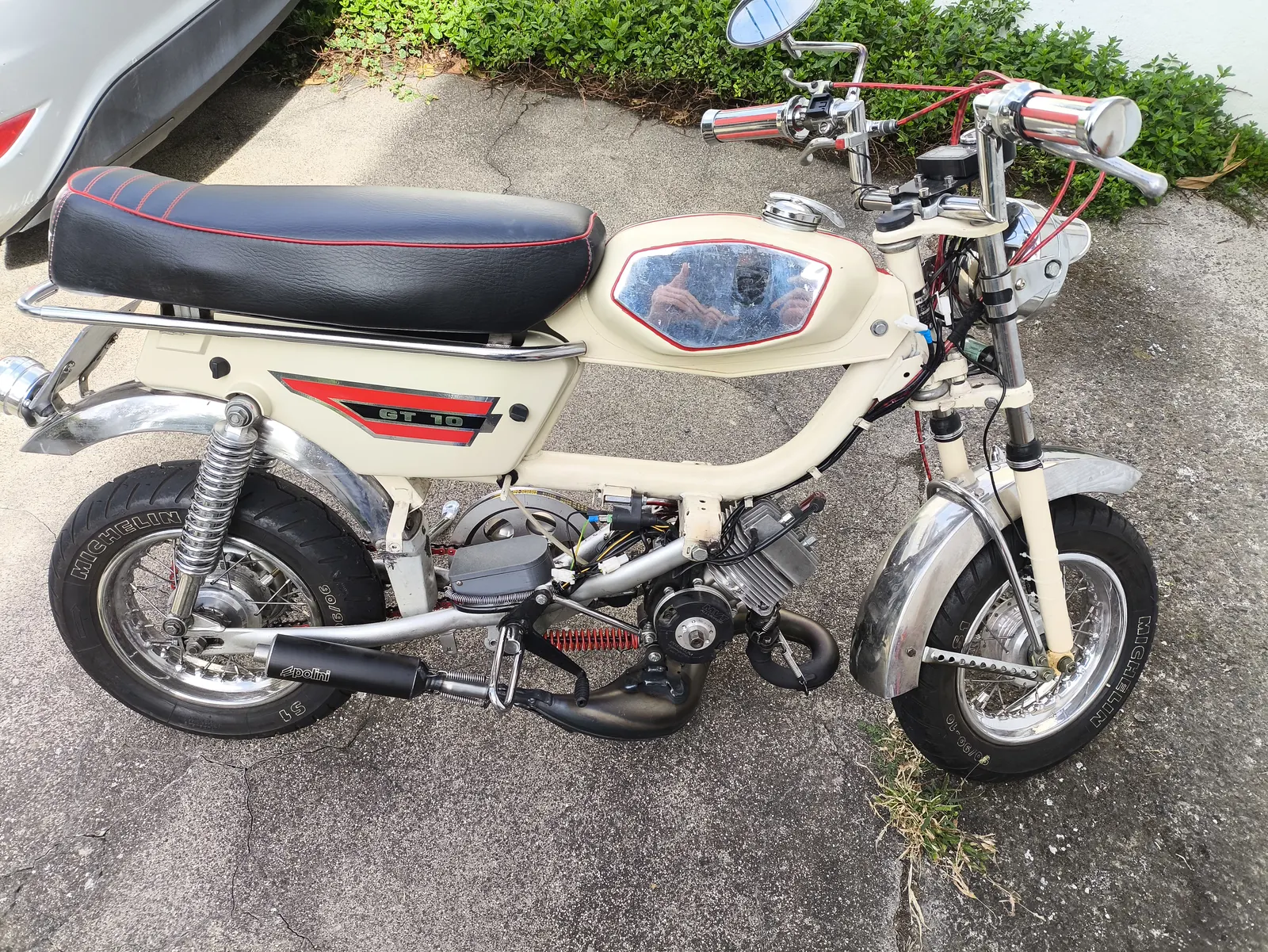
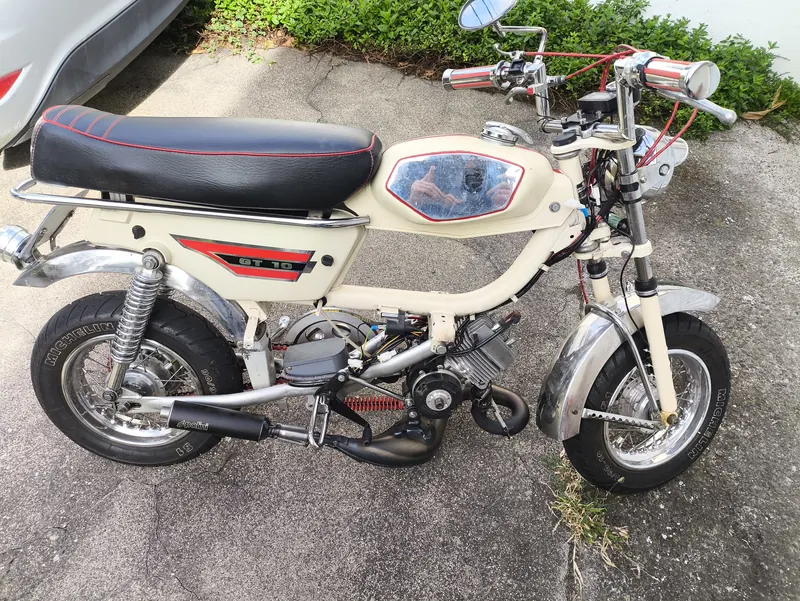
The Peugeot GT10 in October 2026, side view: beige bodywork, GT 10 decals on the side covers, black seat
Since
1972
Click the speedometer to swing the needle
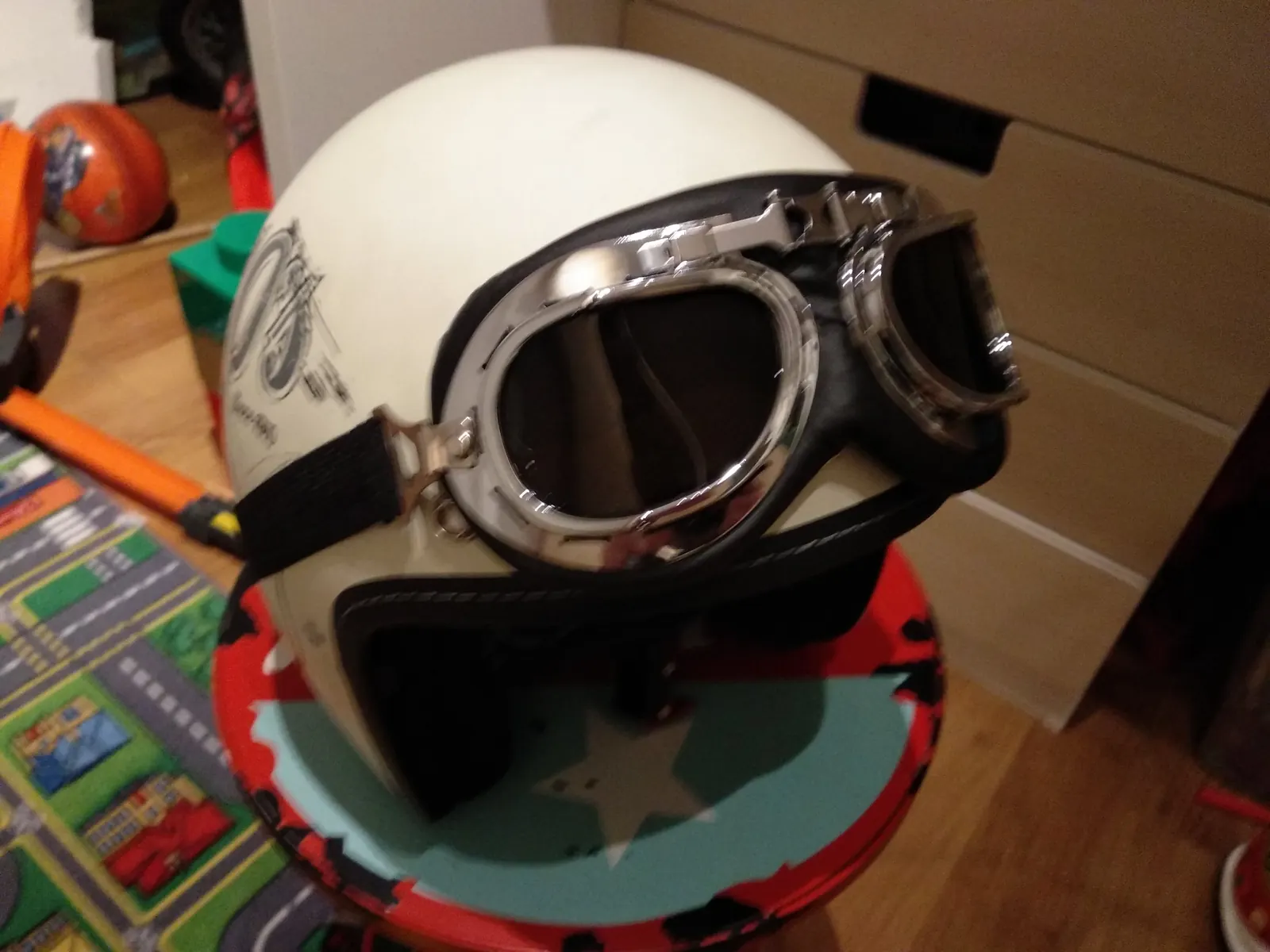
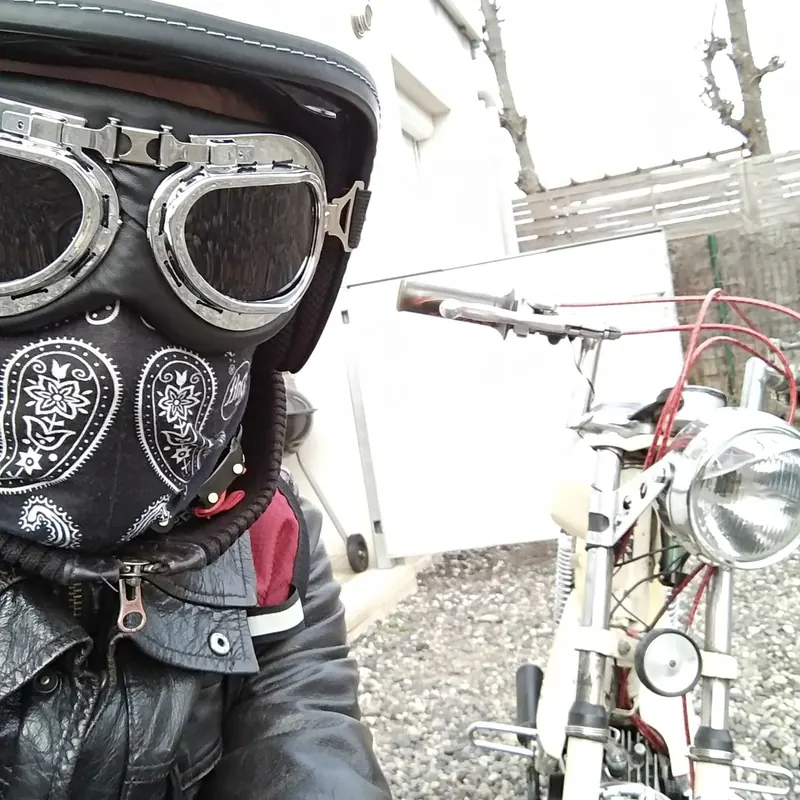
Helmet, aviator goggles and bandana, with the GT10 in the background
“Small wheels, big story.”Damien O · @damien_o_8

My Peugeot GT10 spec sheet

Current setup

Engine & transmission

A “small but feisty” build

Stock type
GT 10 C, 49 cc
Cylinder kit
Polini 70 cc, W exhaust port
Head
Matching Polini
Carburettor
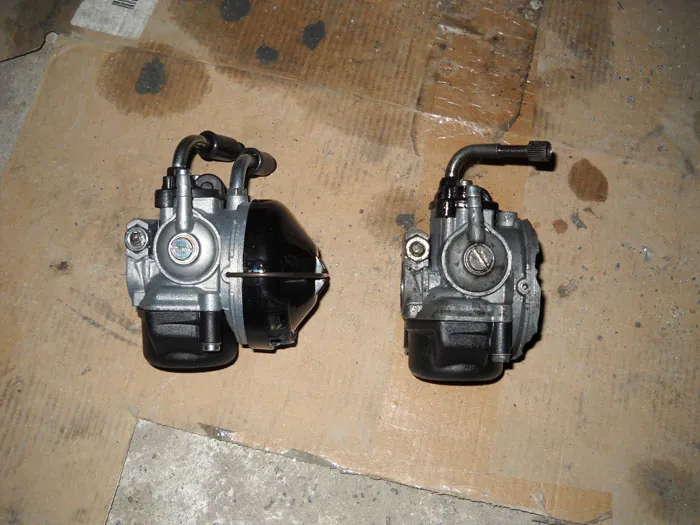
Dell'Orto PHBG 21
Intake
Reed valve
Ignition
MVT Premium
Spark plug
NGK Racing BR10HIX
Variator
Doppler ER3
Weights
CBE, heaviest available
Engine spring
Doppler, PETG mount (prototype)
Clutch
Omega Revo pulley, machined for 15 mm
Belt
Malossi 617233 · 15x8x853 · 32°
Gearing
13-tooth sprocket x 38-tooth rear
Exhaust
Polini Sport V2

Chassis & bodywork

Beige, red & chrome

Seat
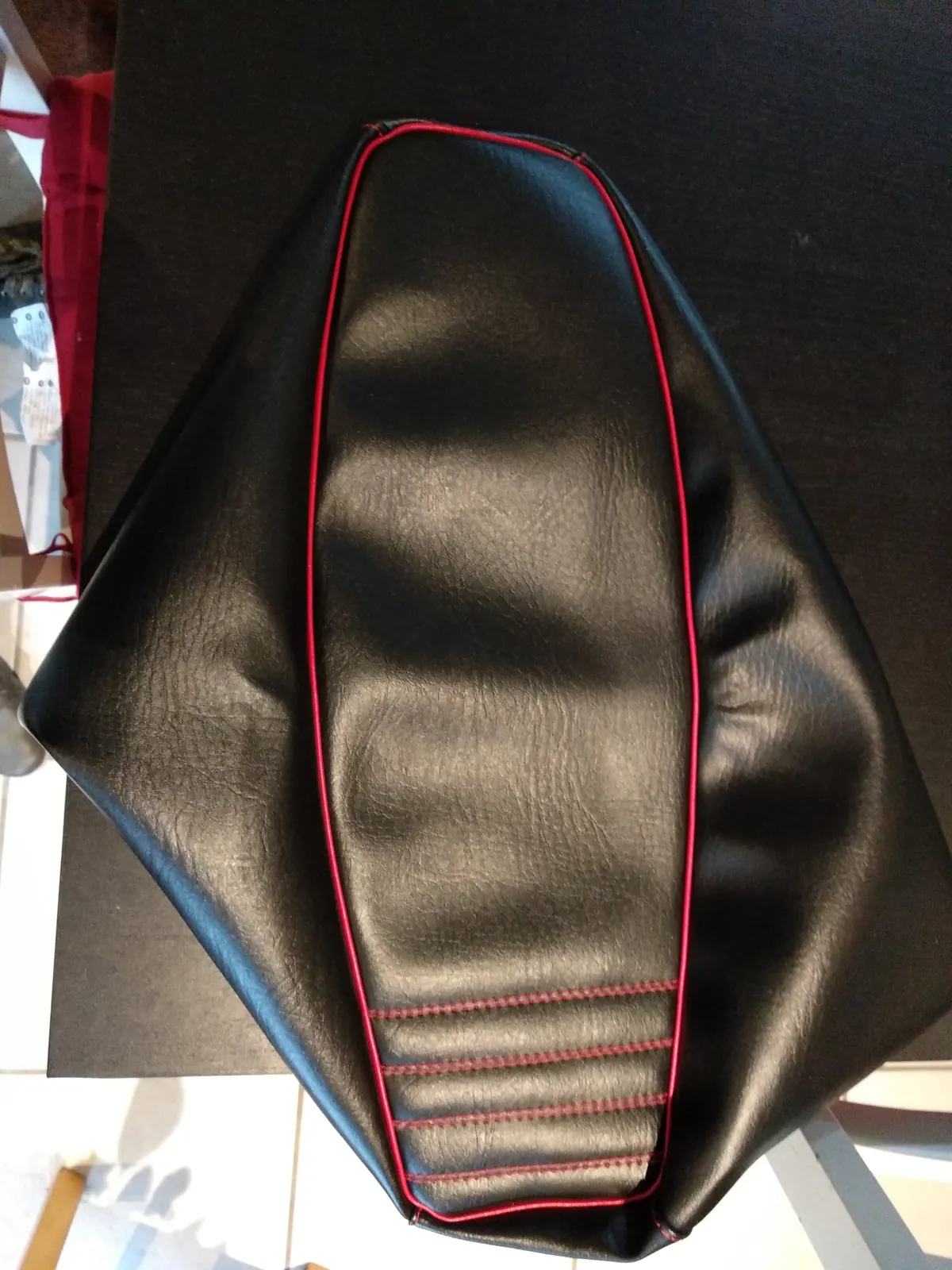
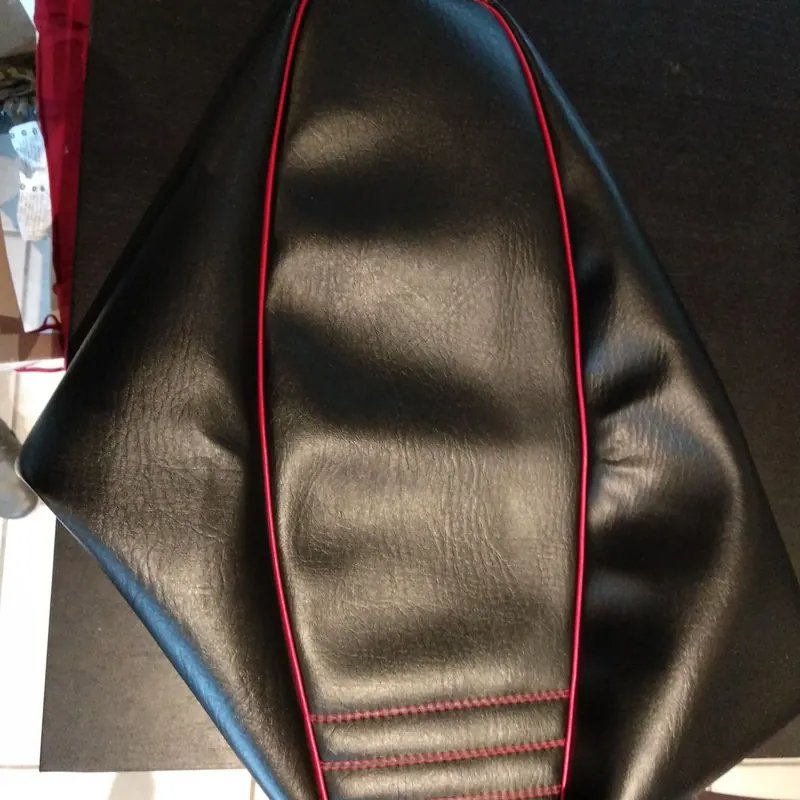
Black vinyl, red piping
Tank
Chrome sides
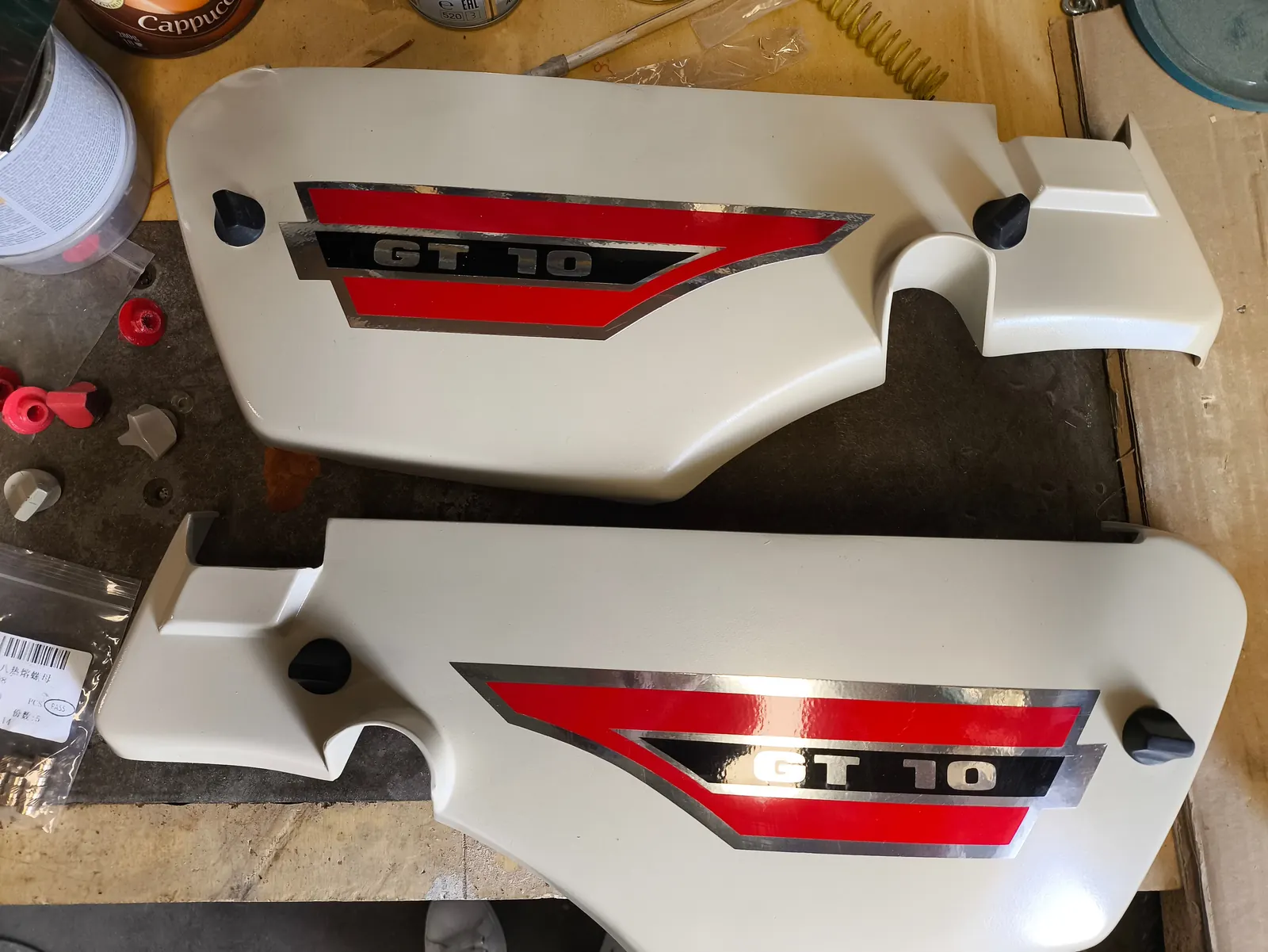
Side covers
Redone, new GT 10 decals
Forks
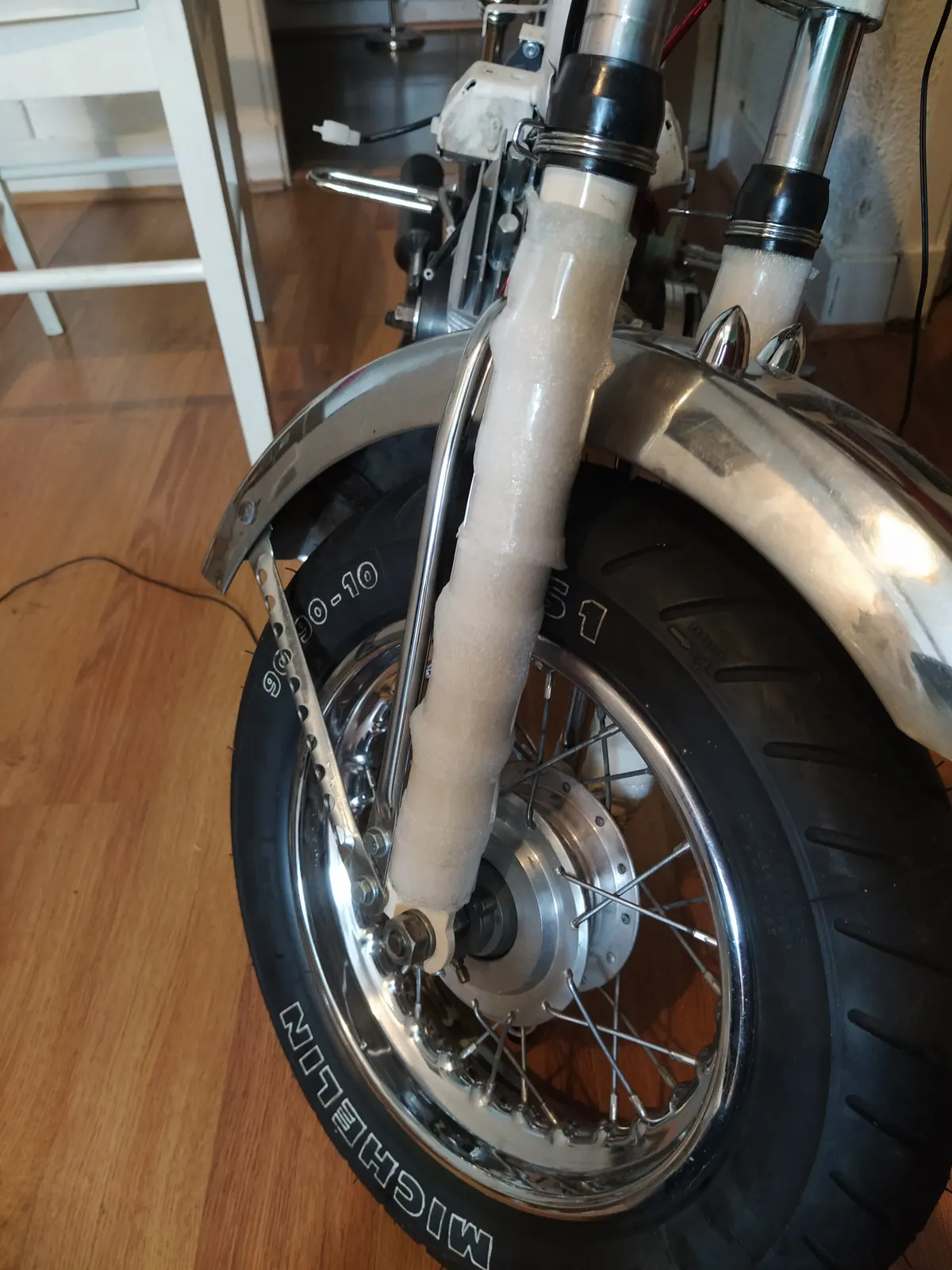
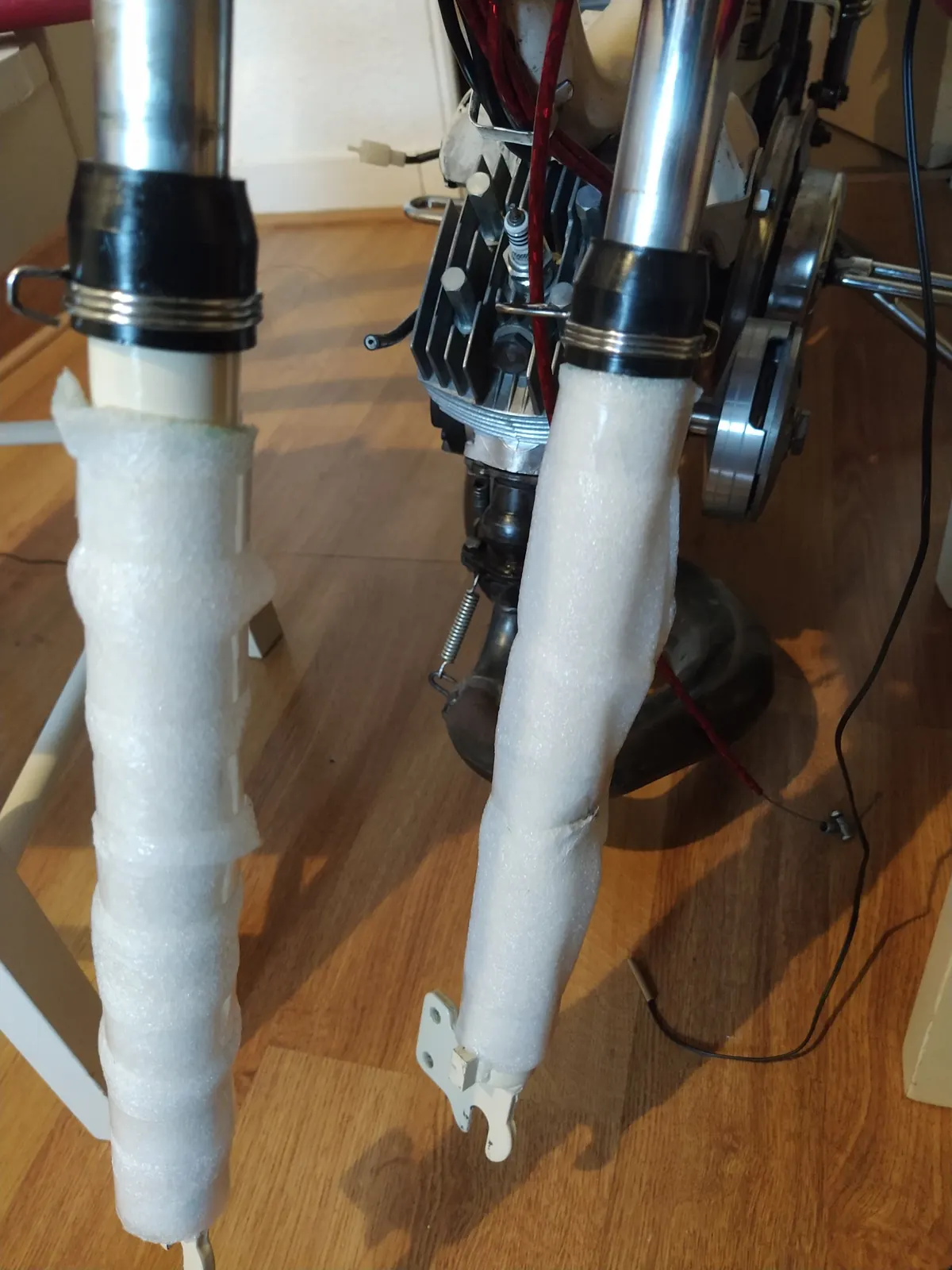
Original, new gaiters
Tyres
Michelin S1, 90/90-10
Gauges
Sigma MC10 + Runleader
Security
Alarm + wireless indicators

Peugeot GT10 history and original specs →

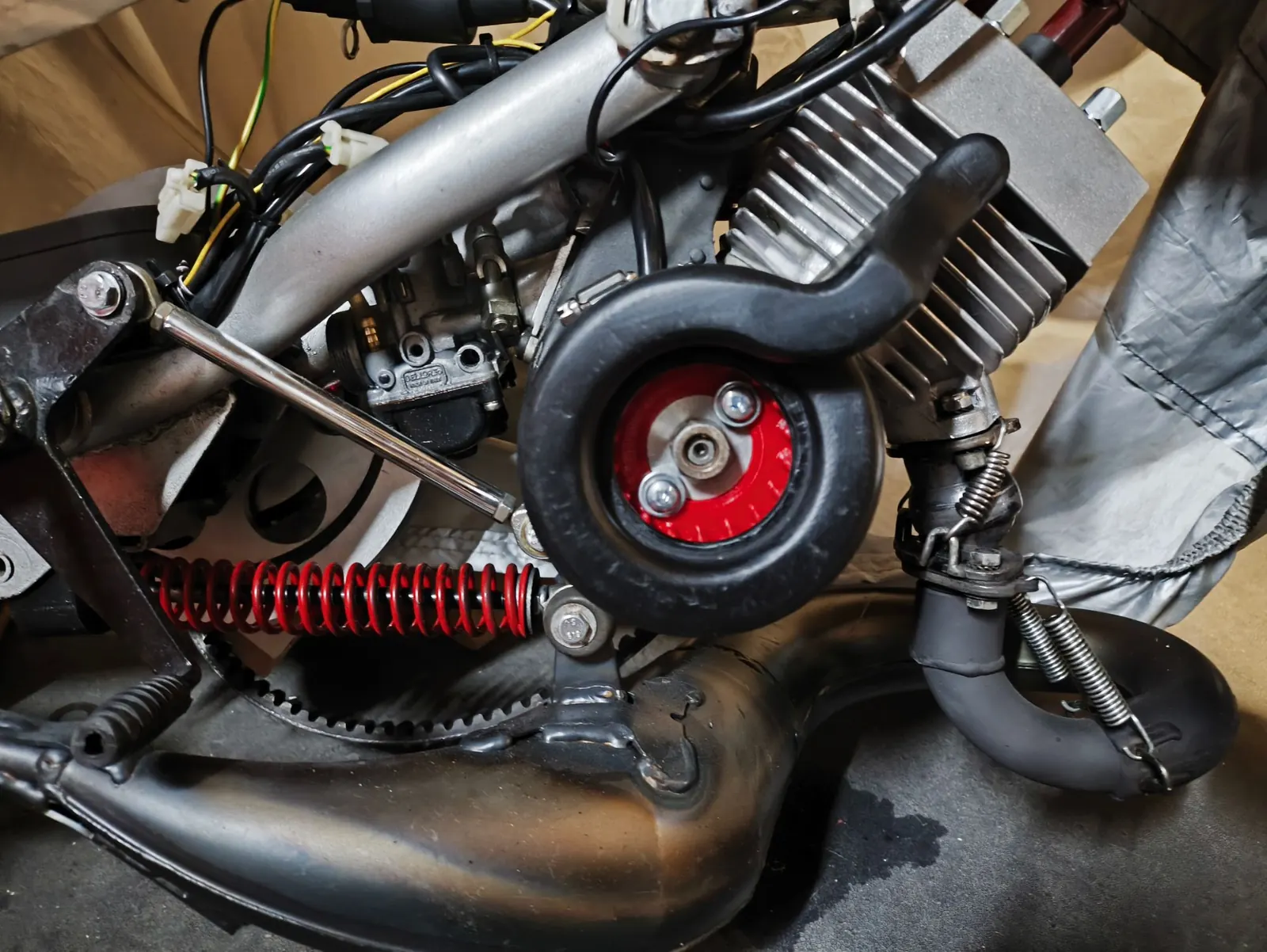
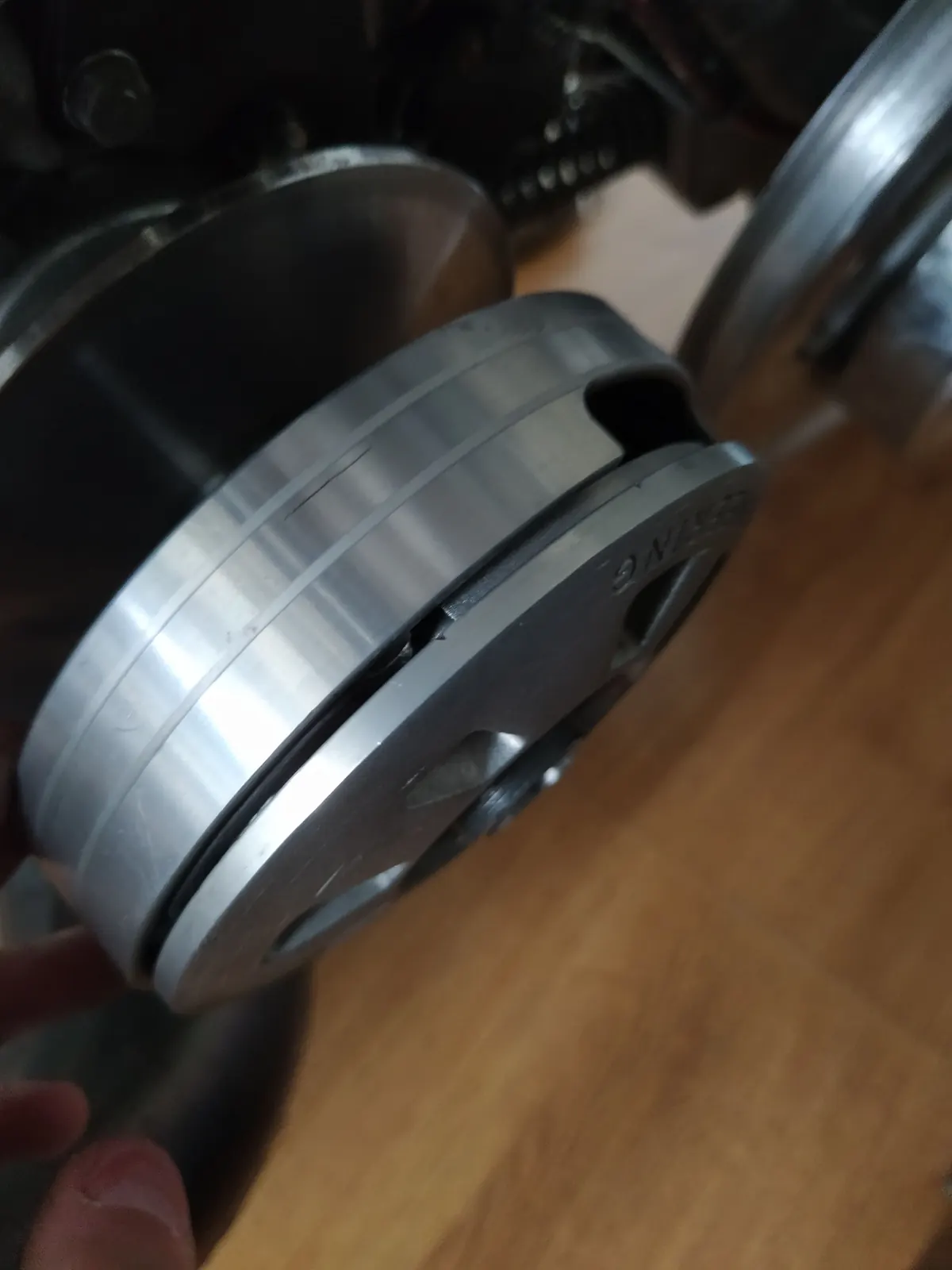
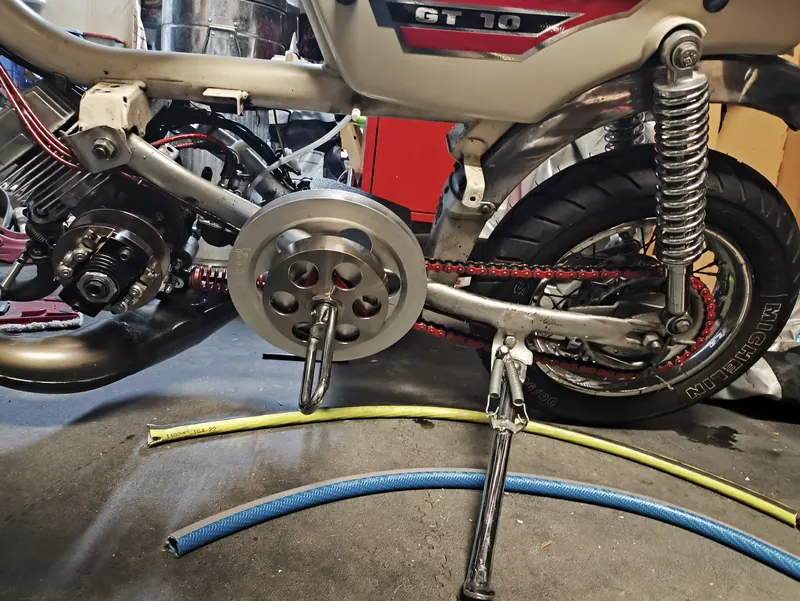
The GT10's transmission in October 2026: Omega clutch pulley, red chain, GT 10 side cover and rear wheel
The transmission, October 2026: Omega pulley and red chain.
Peugeot maker's plate: Type GT 10 C, 49 cc, type-approved by the French Service des Mines in Beaulieu. Serial number hidden
The original plate: Type GT 10 C, 49 cc.
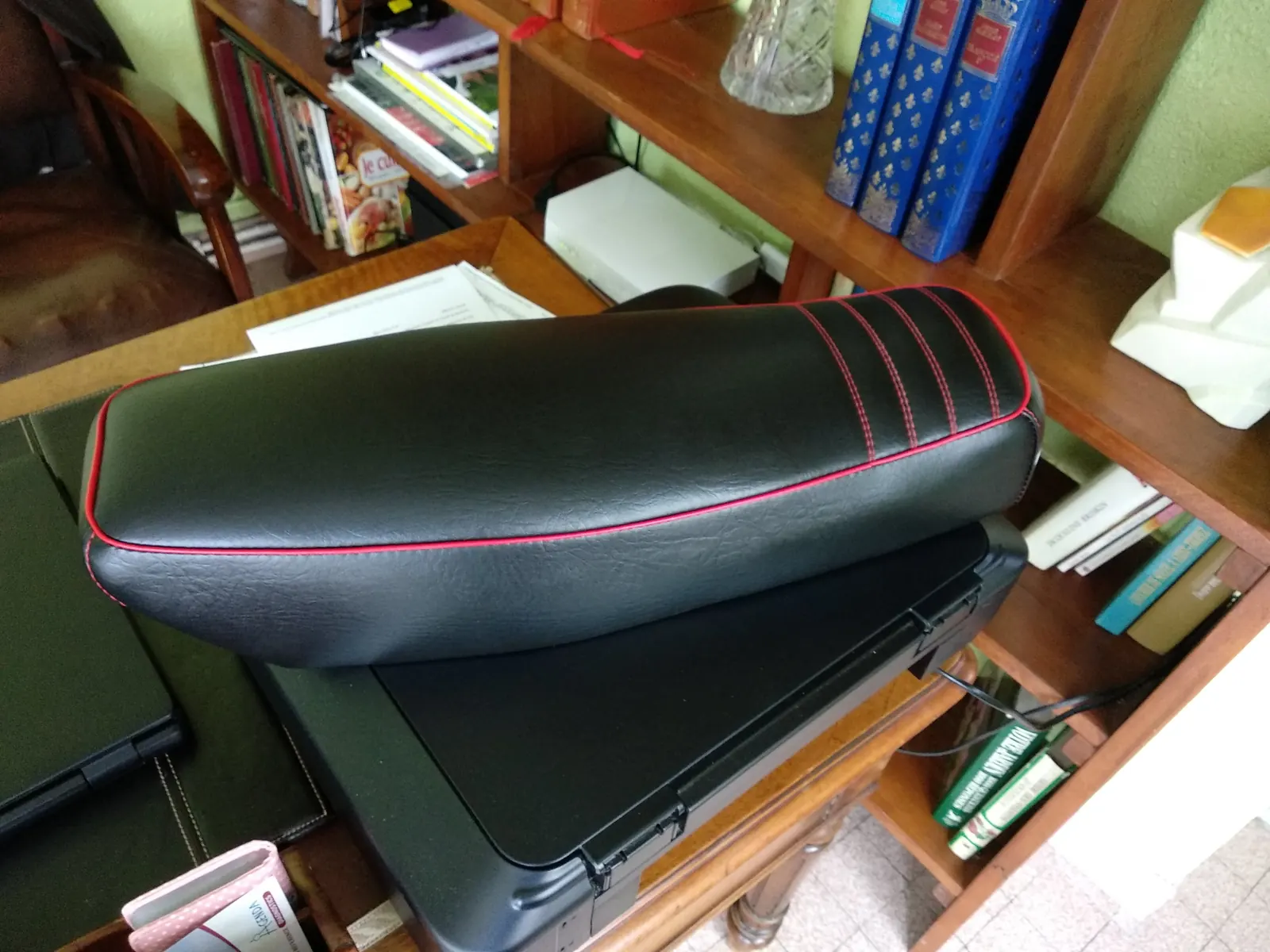
Close-up of the black seat with stitching and red piping
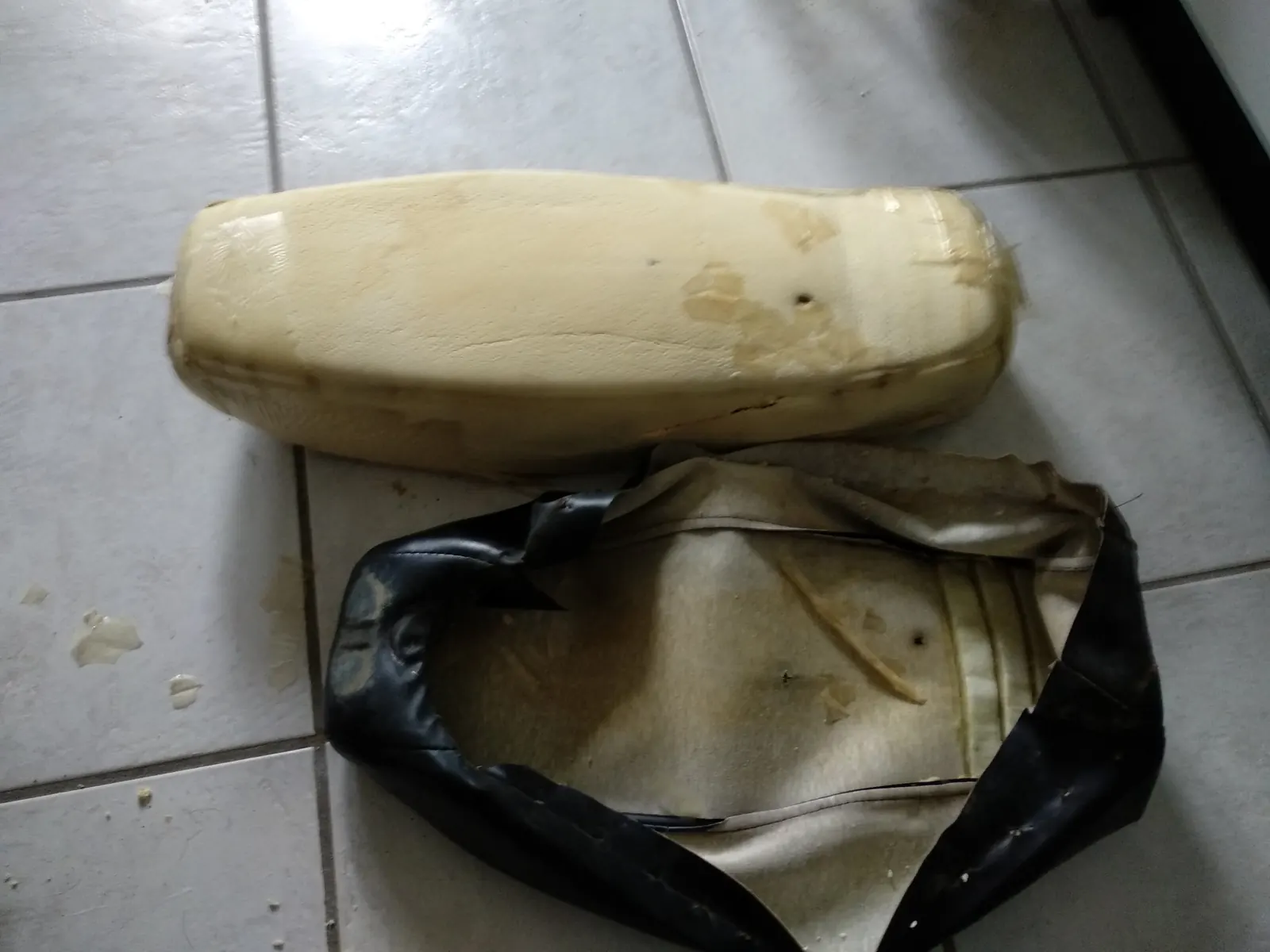
Seat redone by BLG-Sellerie.

The GT10 years

From the cellar to the garage

2000sA cellar find

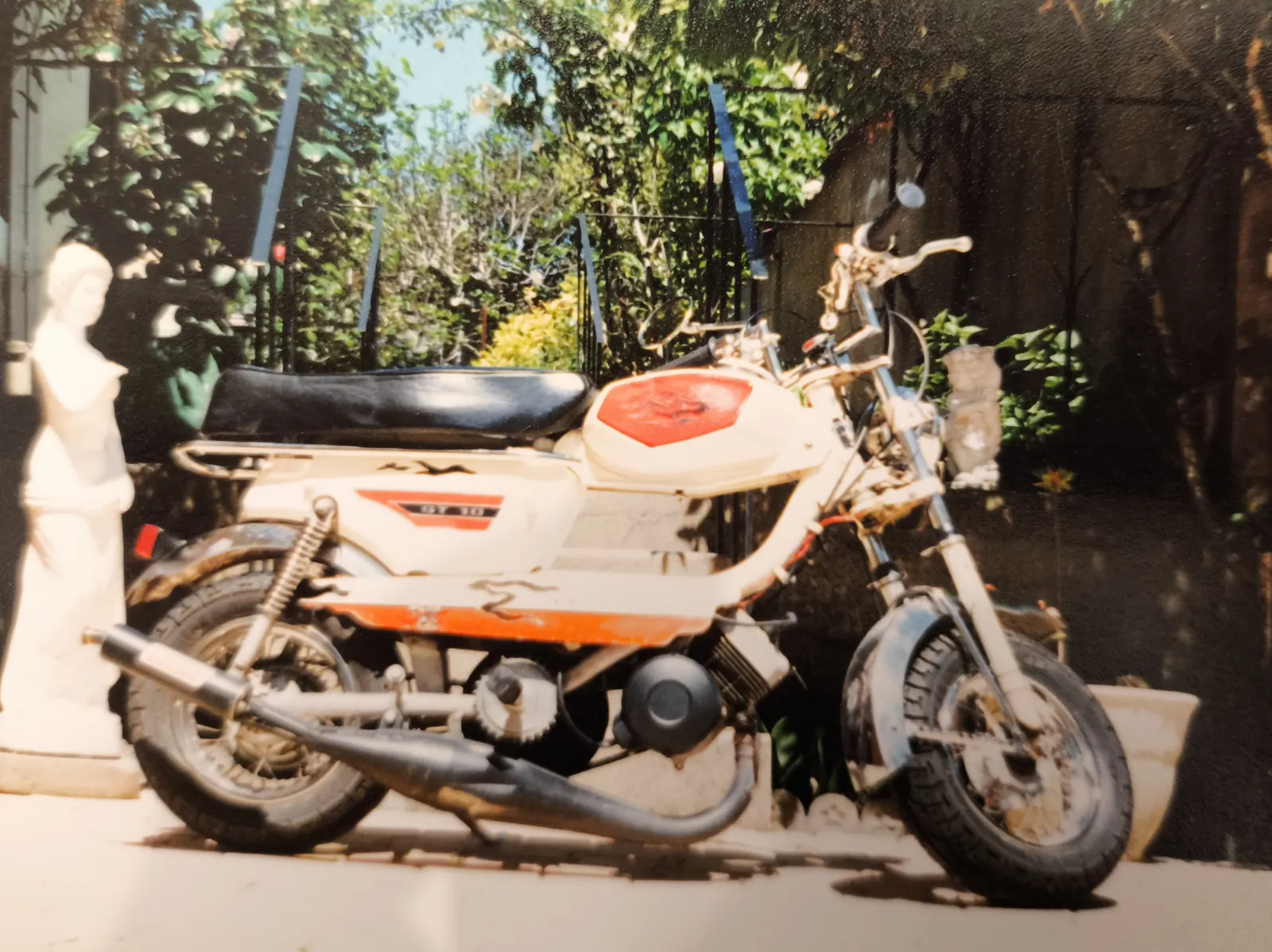
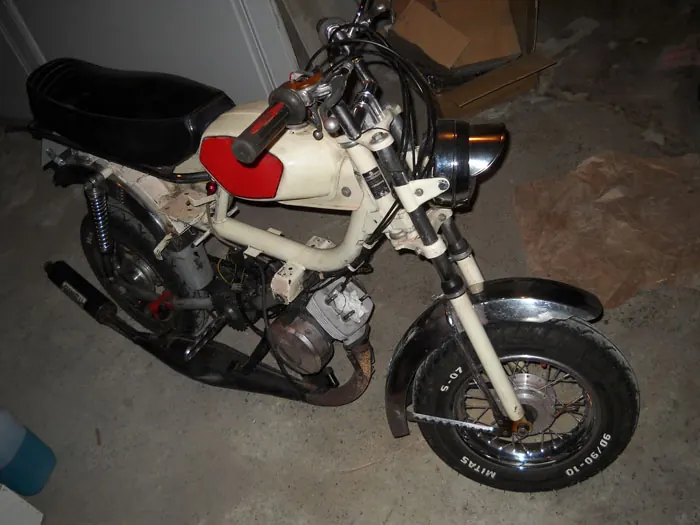
Out of a cellar, indicators included

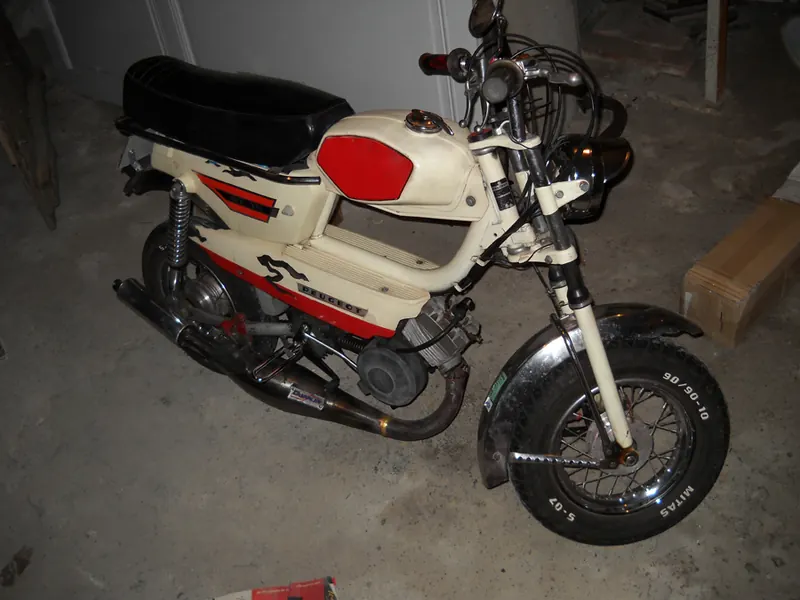
In the early 2000s, my father picked up a Peugeot GT10 from one of his customers. It had sat for years at the back of a cellar without running, complete right down to its indicators. The original engine, with its contact breaker points, had lived a full life: my parents bought me a brand-new 103 SP engine. Under its frame and small wheels, the GT10 shares its mechanics with the 103 SP.

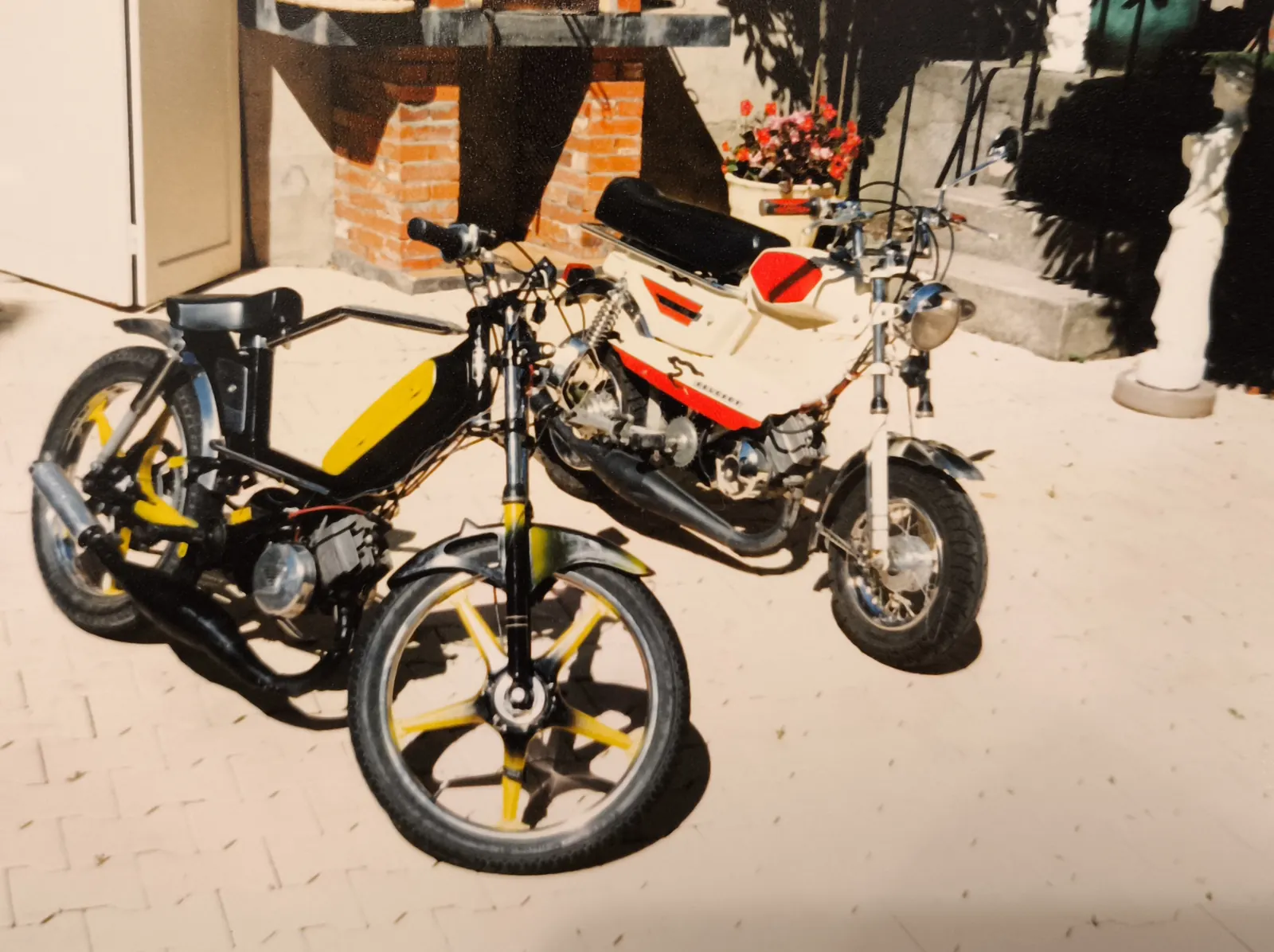
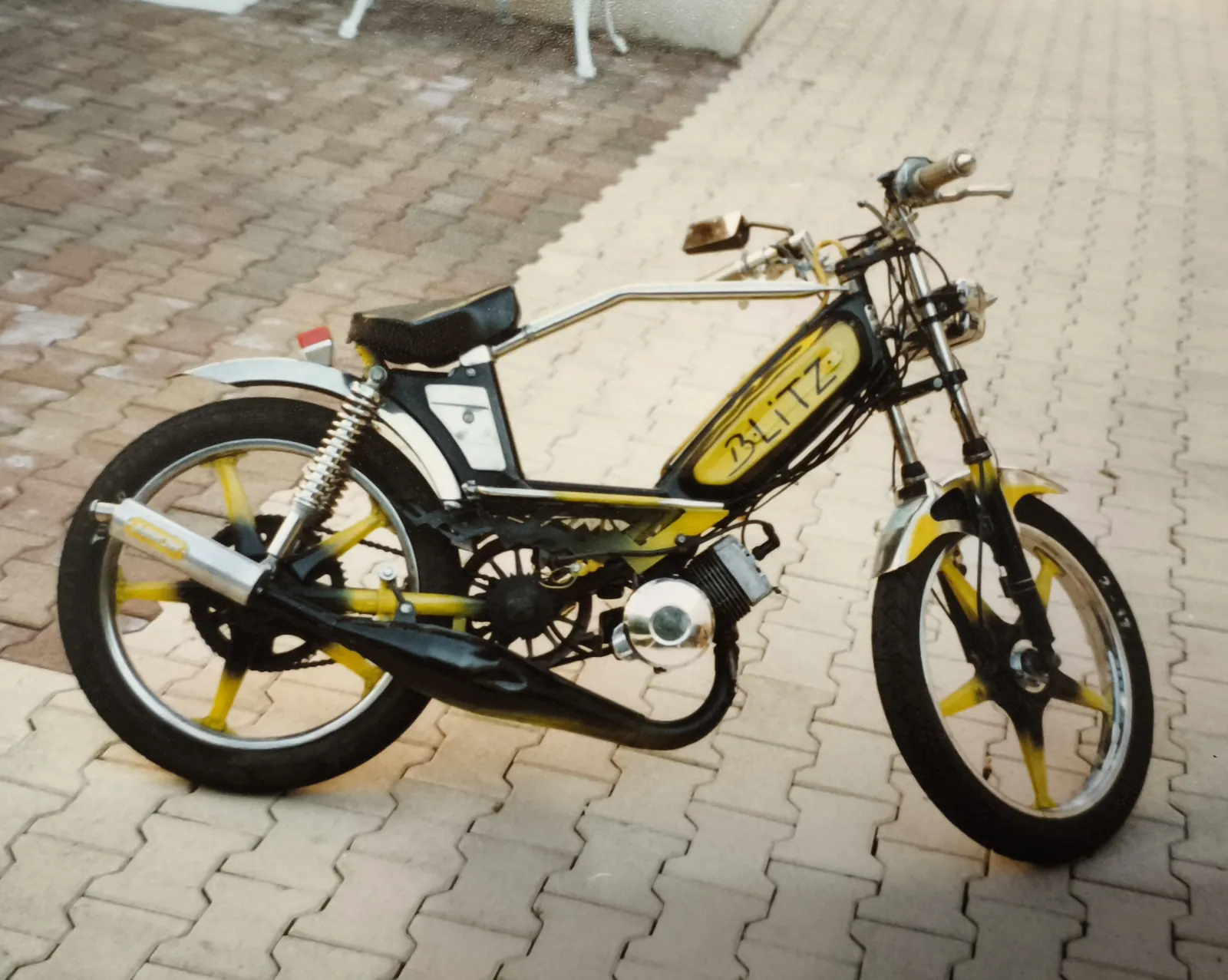
As a teenager, of course I wanted to modify it. Enough to make purists shudder, but that's part of the fun of modifying. Back then, I also rode a black and yellow Peugeot 103.

  • Cellar find
  • 103 SP engine
  • The black and yellow 103
March 2011Engine rebuilt

My only way to get to work

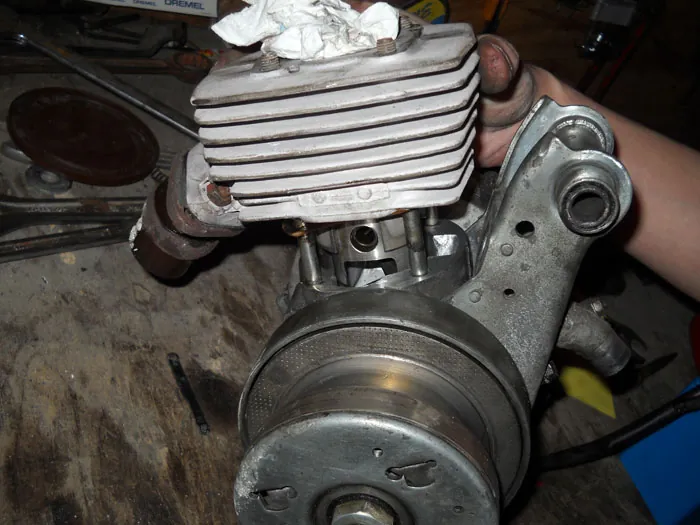
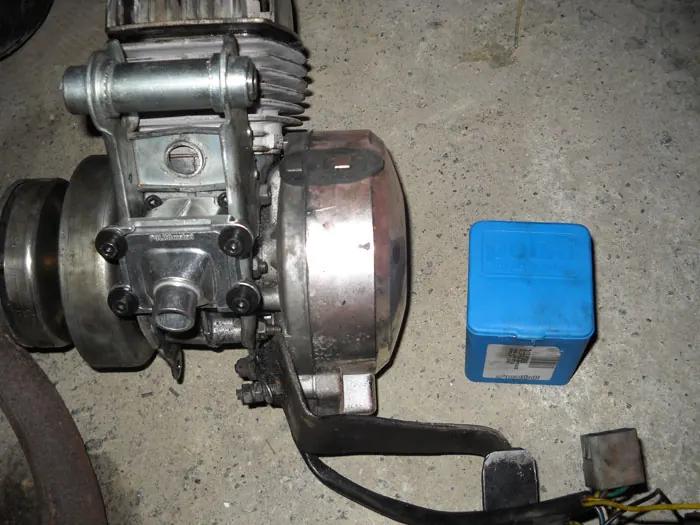
Since September 2010, the GT10 has taken me to work every day, rain, wind or snow, because it's more fun than the car. An engine that had only run now and then wears out: it gets a fresh start. Airsal T6 cylinder with 6 transfer ports and a single-ring piston, crankcase transfers filed, 15 SHA carburettor, Polini reed valve block for a straight, centred intake, NGK 7HS spark plug. The workshop is a badly lit cellar, and the home-made kick-start pedal has held up for ten years.

  • Airsal T6
  • SHA 15
  • Polini reed valve block
  • NGK 7HS
May 2011Welding and salvage

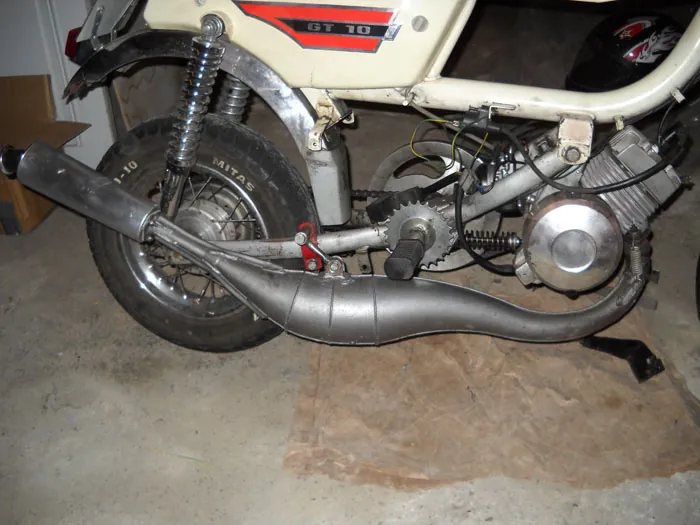
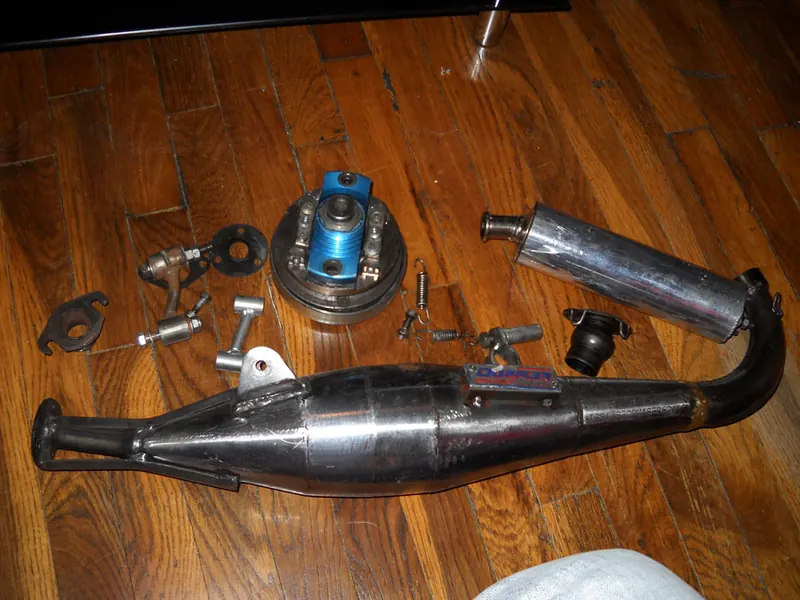
The Ninja G3 exhaust meets the welder
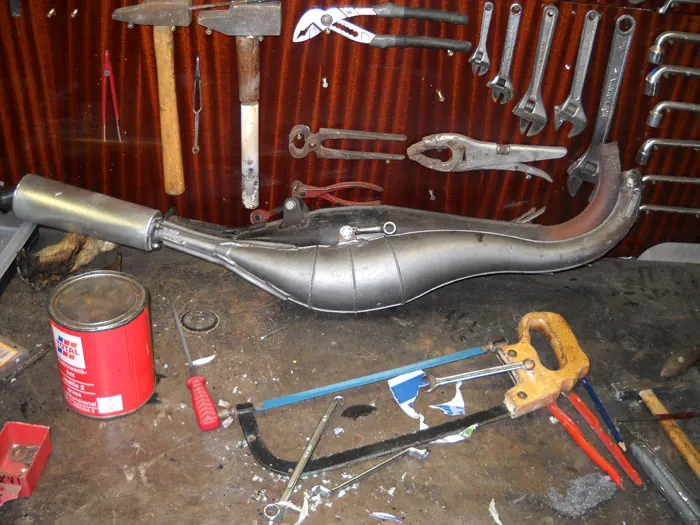
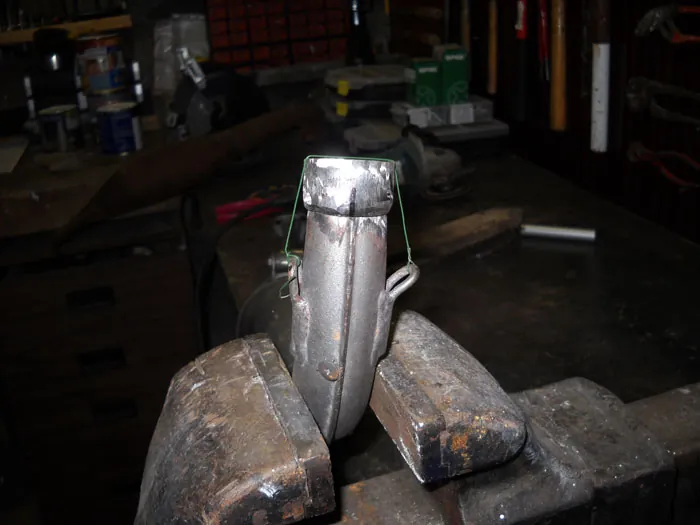
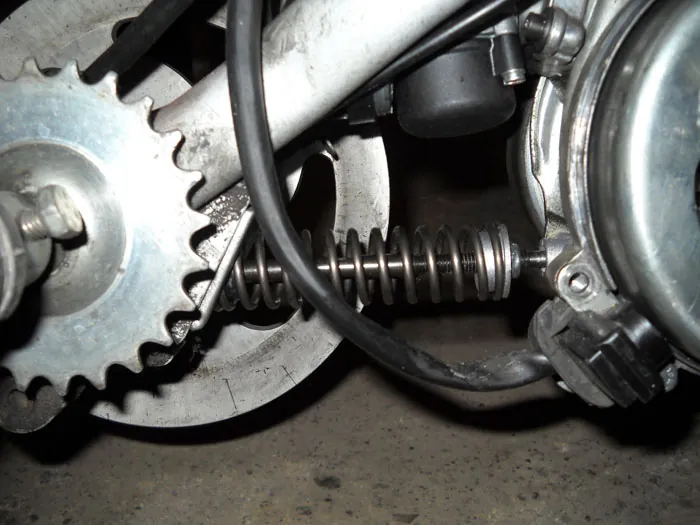
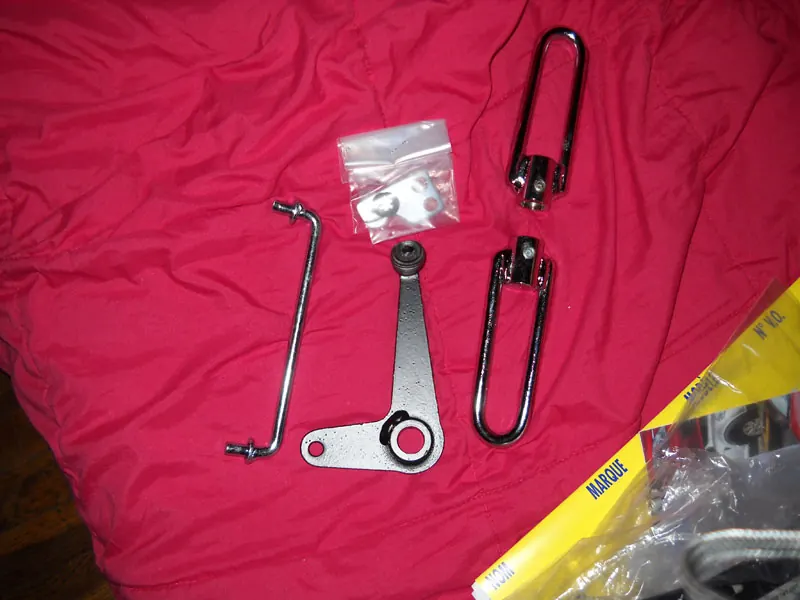
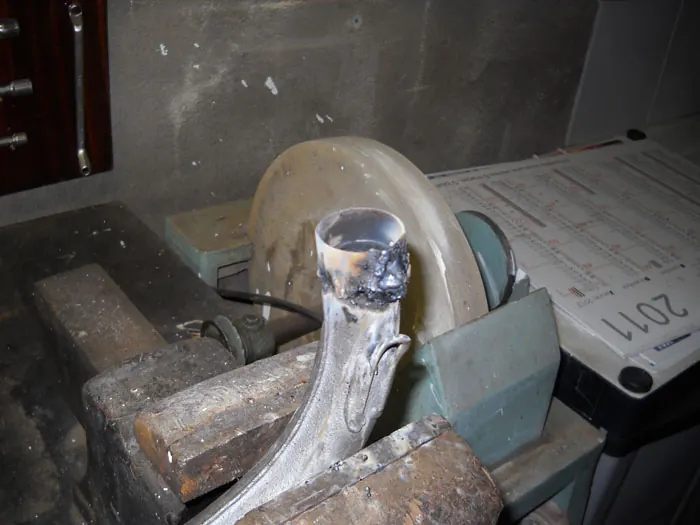
To fit a Ninja G3 onto my Gianelli swivel joint, I cut the fitting off the Gianelli and weld it onto the G3. A messy first weld, the joint redone, the rear bracket shortened, and in the end 2 cm gained. After the Ninja silencer mount broke, I fitted a Gianelli silencer instead. The Polini spring arrives and replaces my home-made kick-start pedal. And, by luck, I get the original speedometer mount back from the neighbour who had kept my 103.
  • Modified Ninja G3
  • Gianelli silencer
  • Polini spring
  • Original speedometer mount
Sept. 2011Scooter feeling

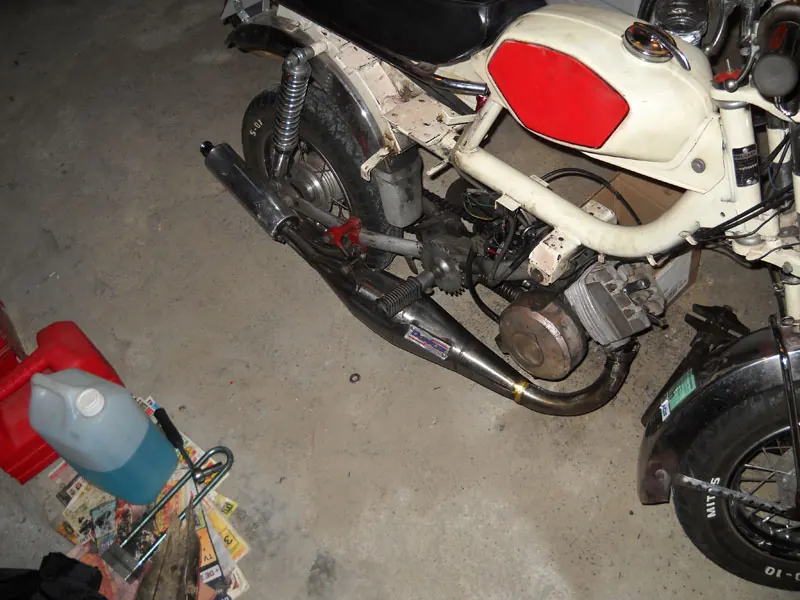
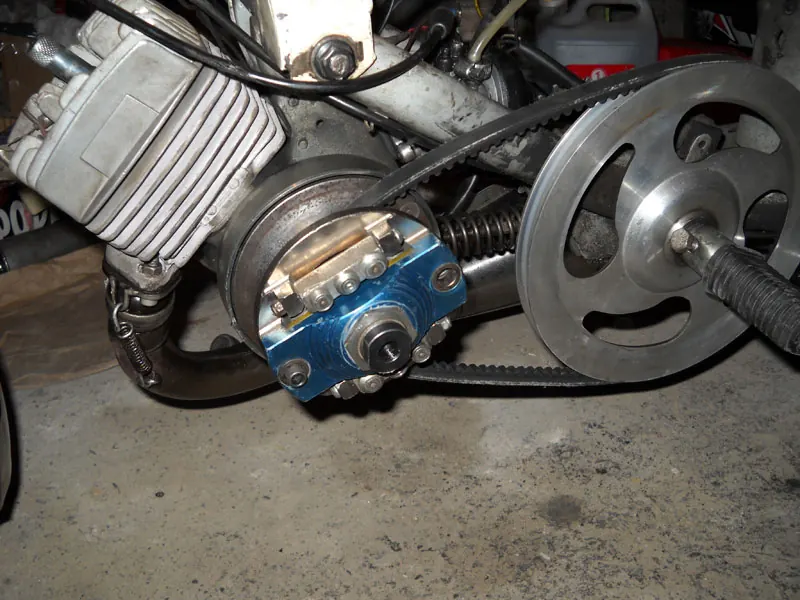
Doppler exhaust and a first ER3 variator

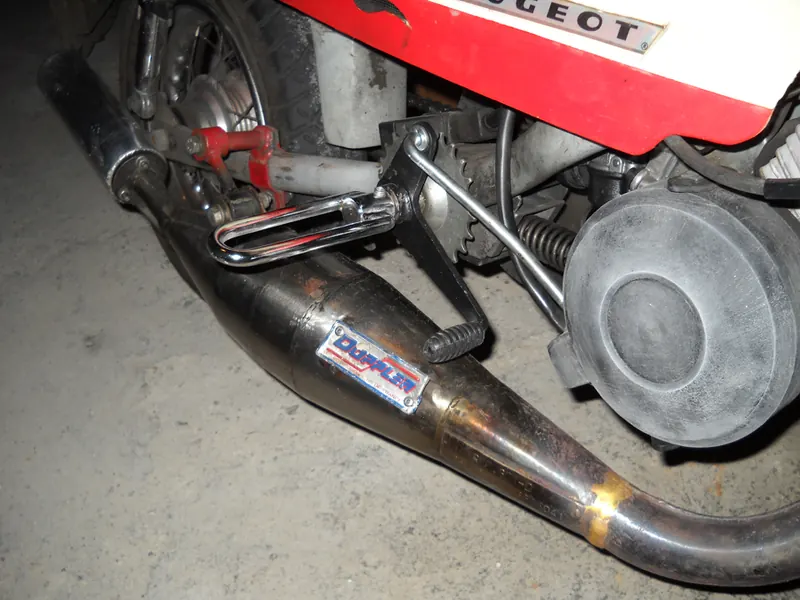
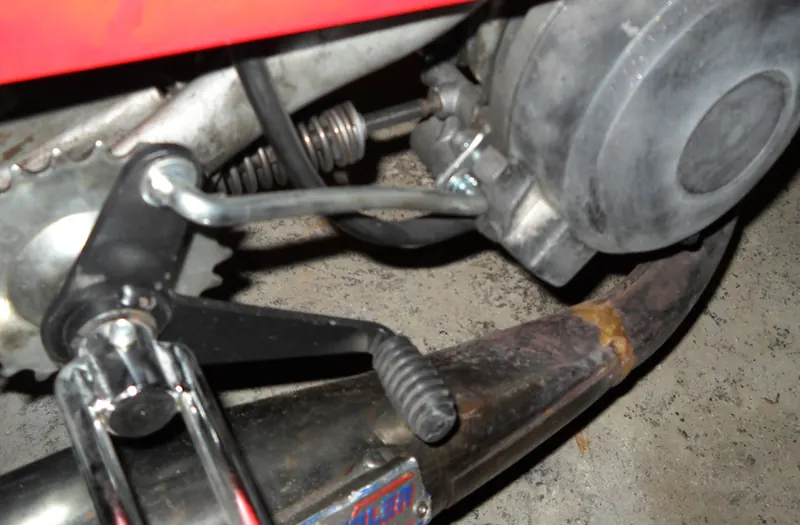
The Doppler exhaust and the Doppler ER3 variator arrive. Problem: the belt is slack, because the ER3 is a wide-range variator. After a belt that turned out too short, I cut the engine mount again to move the engine forward. A proper kick-start pedal and new footpegs round it all off. First ride: "the variator changes everything, it feels like riding a scooter".

  • Doppler exhaust
  • Doppler ER3 variator
  • Kick-start pedal
  • Footpegs
2016Love at first sight

The day my bank account hated the GT10

It all starts with a vintage-looking Polini Sport exhaust. It's made for a 70 cc with a W outlet, so the engine follows: Polini 70 cc cylinder and piston, matching cylinder head and a 21 mm Dell'Orto PHBG. As I wrote that year on the MobCustom forum: "my passion for this moped never goes out of style!"

  • Polini Sport
  • Polini 70 cc
  • PHBG 21
2018The transformation

A real heart and a fine seat

MVT Premium ignition for a proper spark, Malossi Variotop wide-range variator. On the looks side: headlight brackets, a fuel tank with chrome sides, new side panels, and the original seat redone in black leatherette with stitching and red piping.

How I refitted the seat, step by step, is on the page Restoring a GT10.

  • MVT Premium
  • Malossi Variotop
  • BLG-Sellerie
2019Cockpit

A flea-market meter, an aquarium sensor

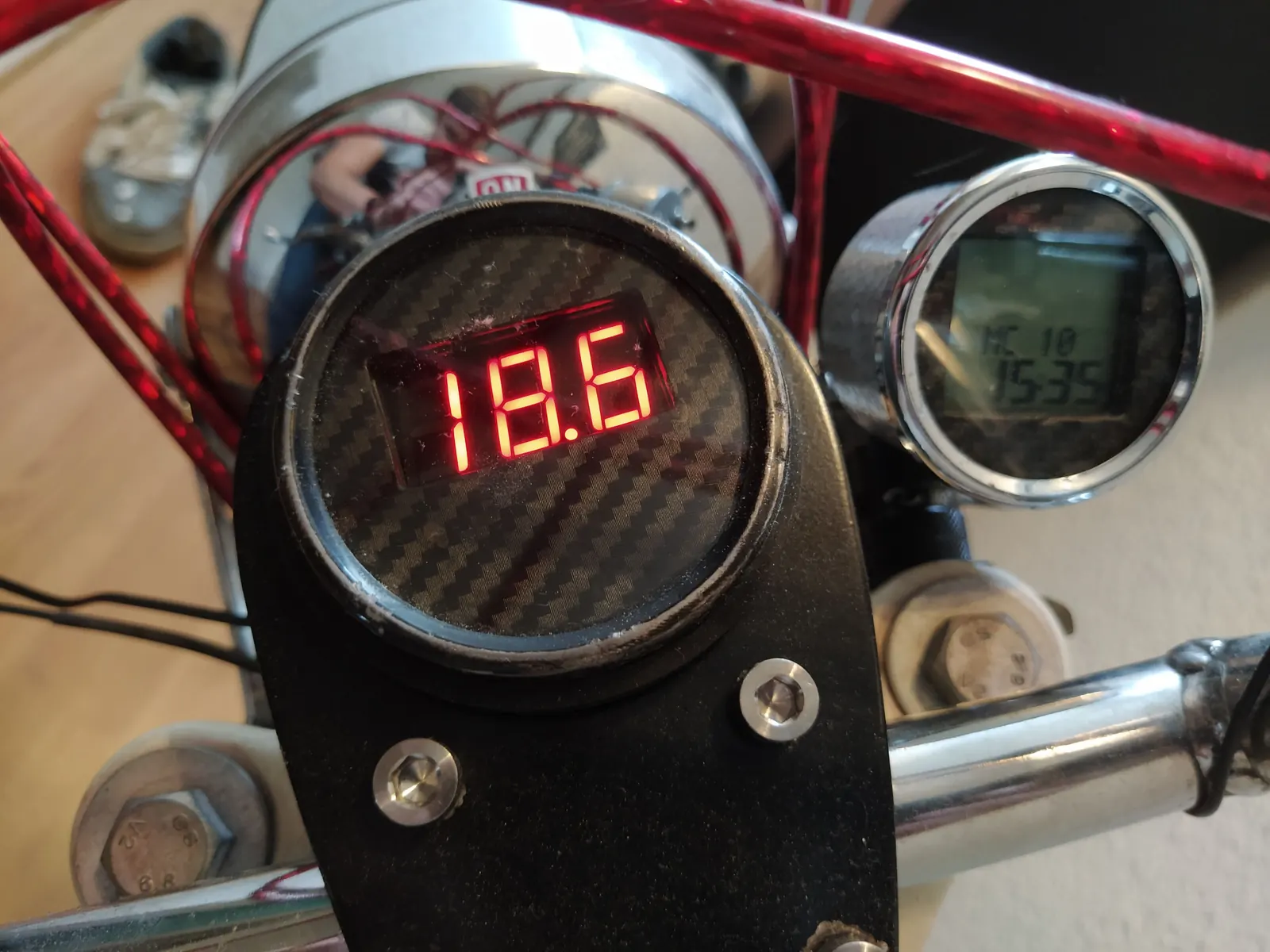
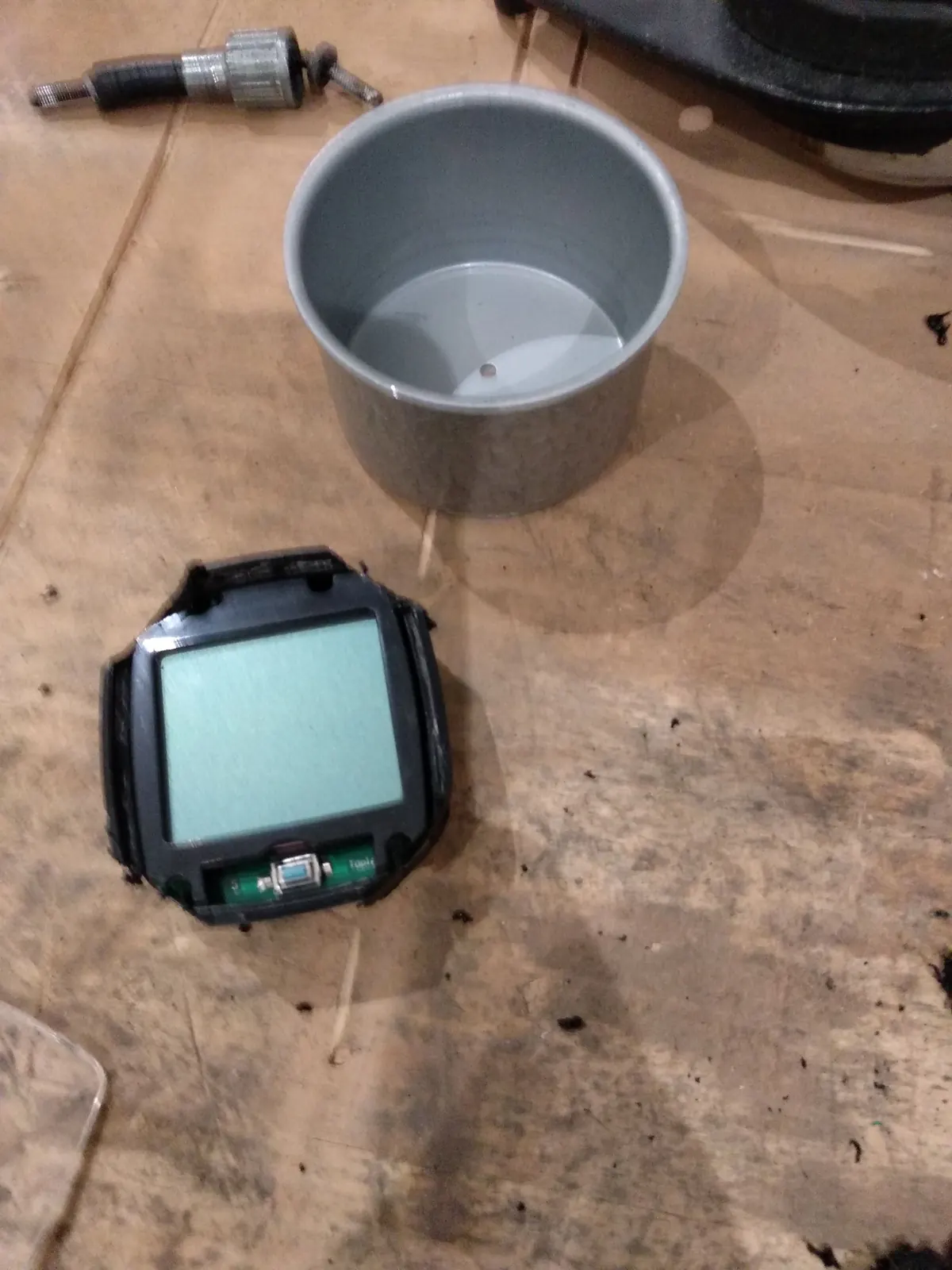
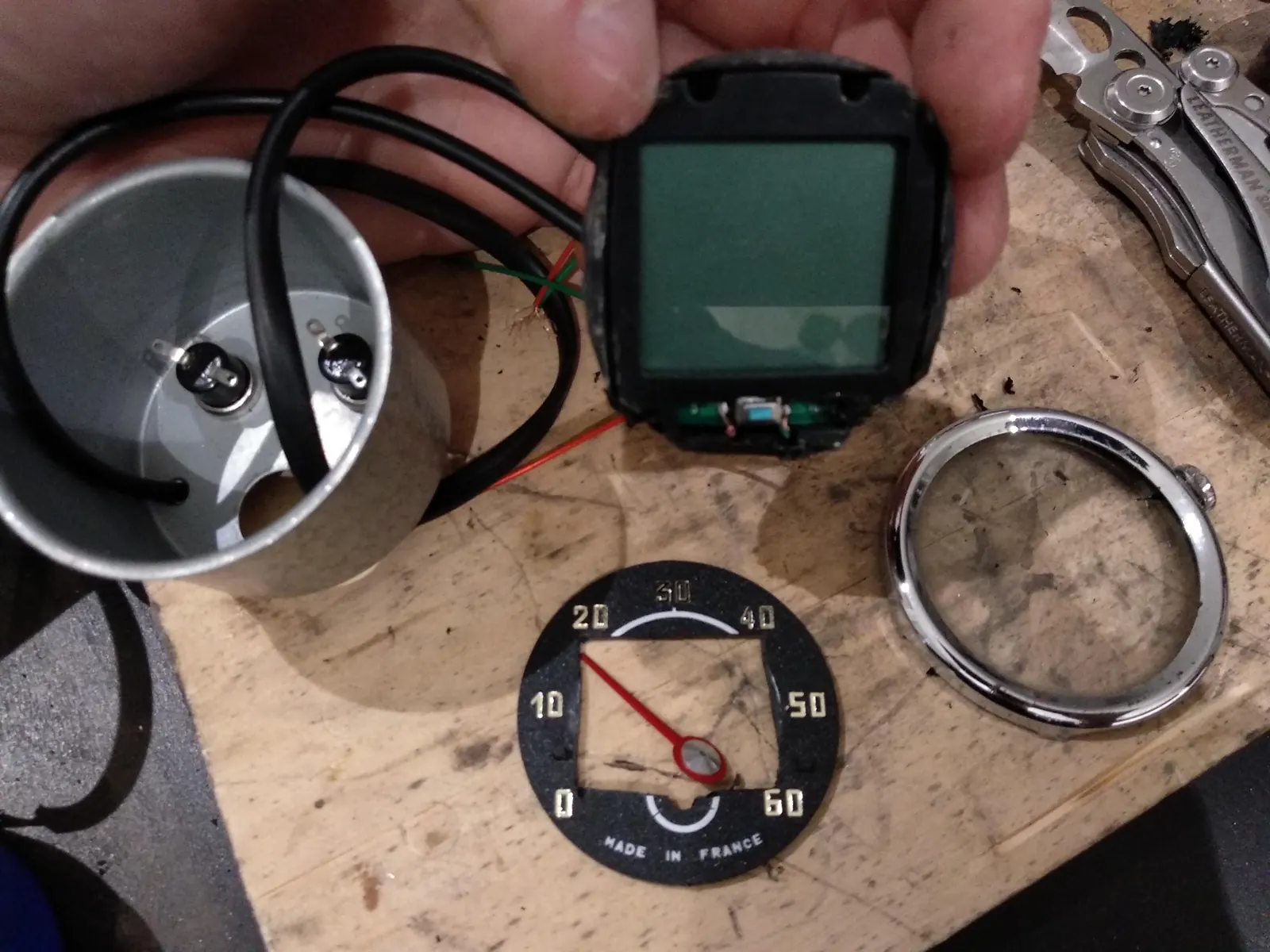
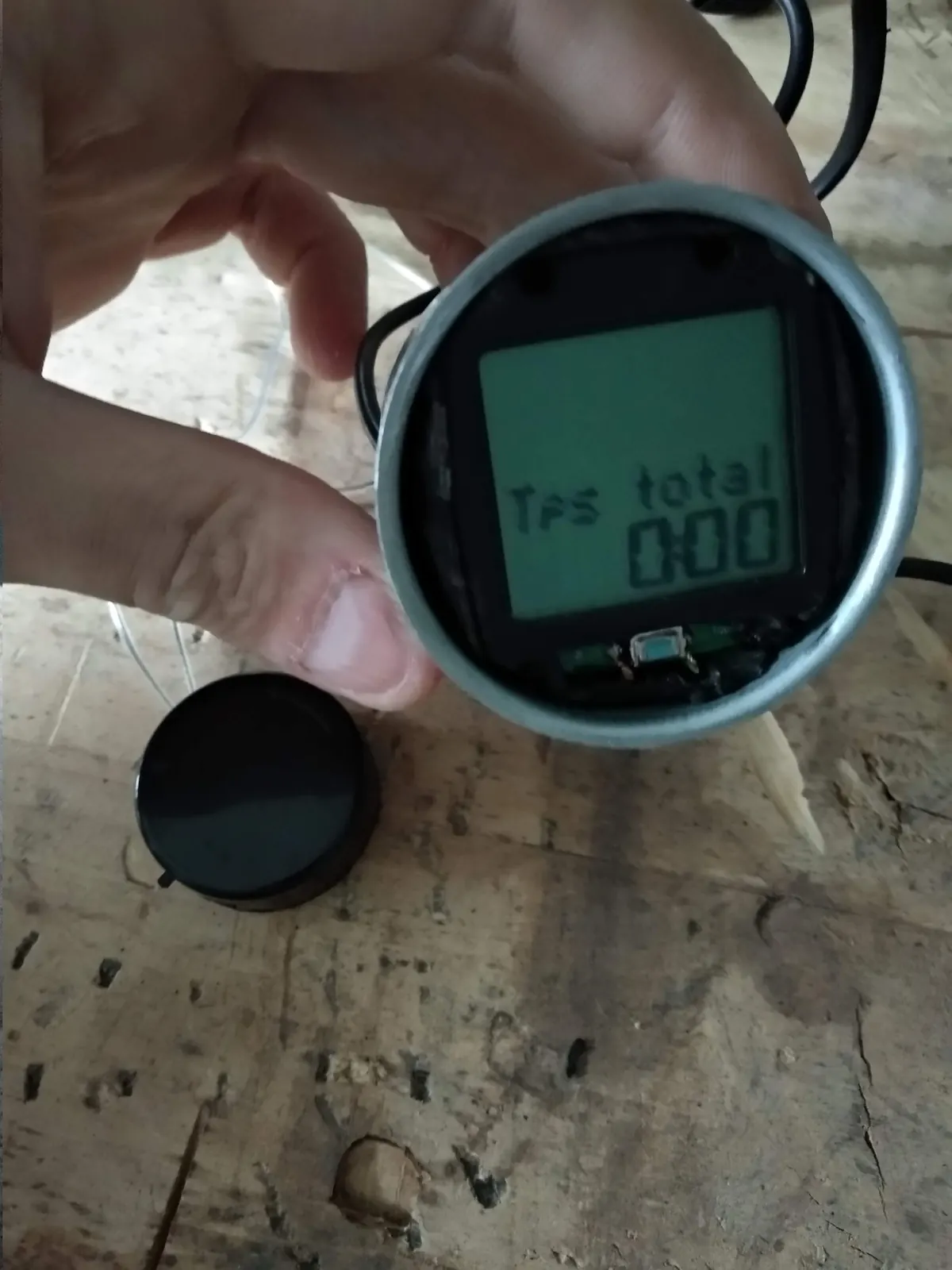
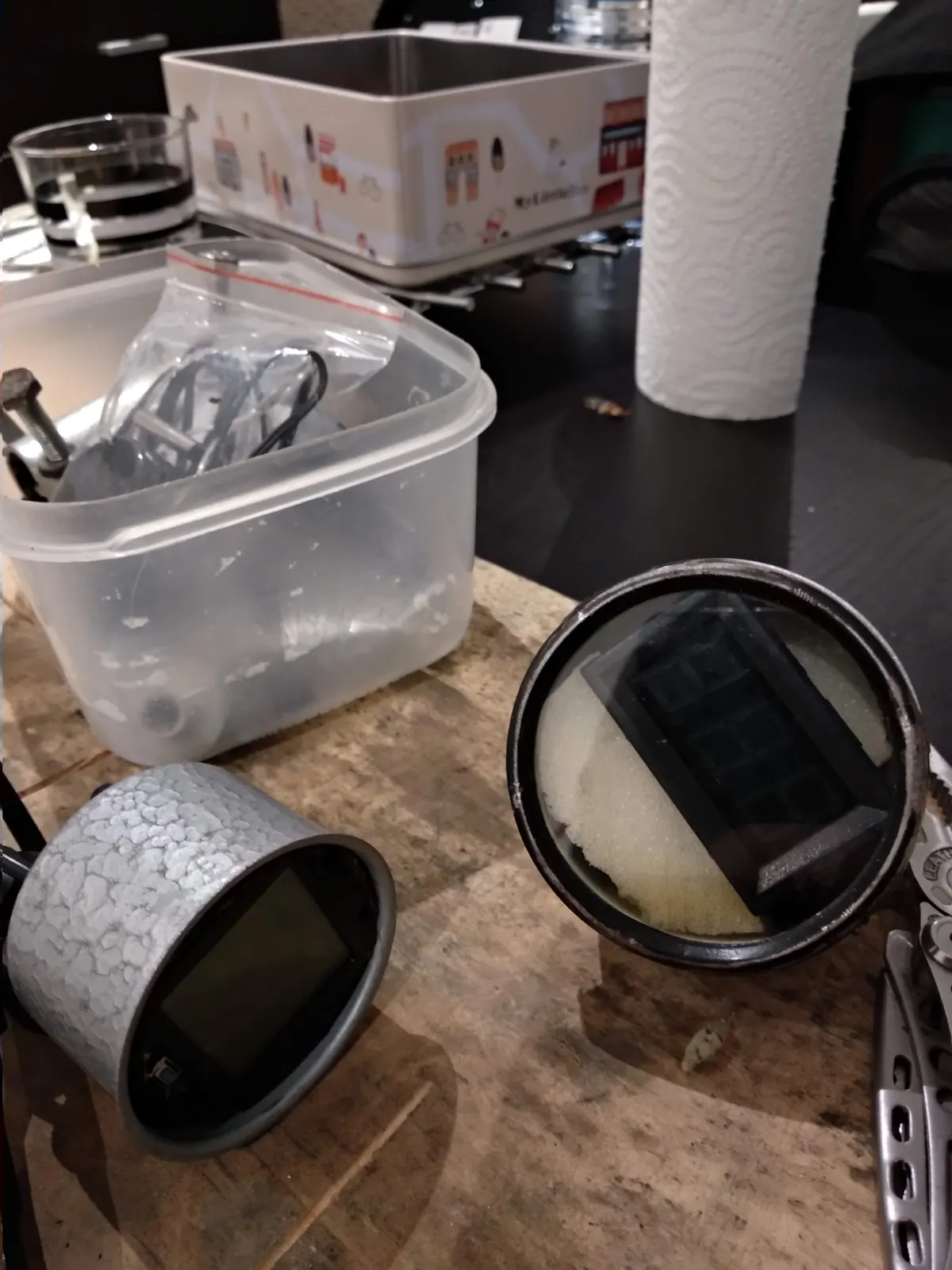
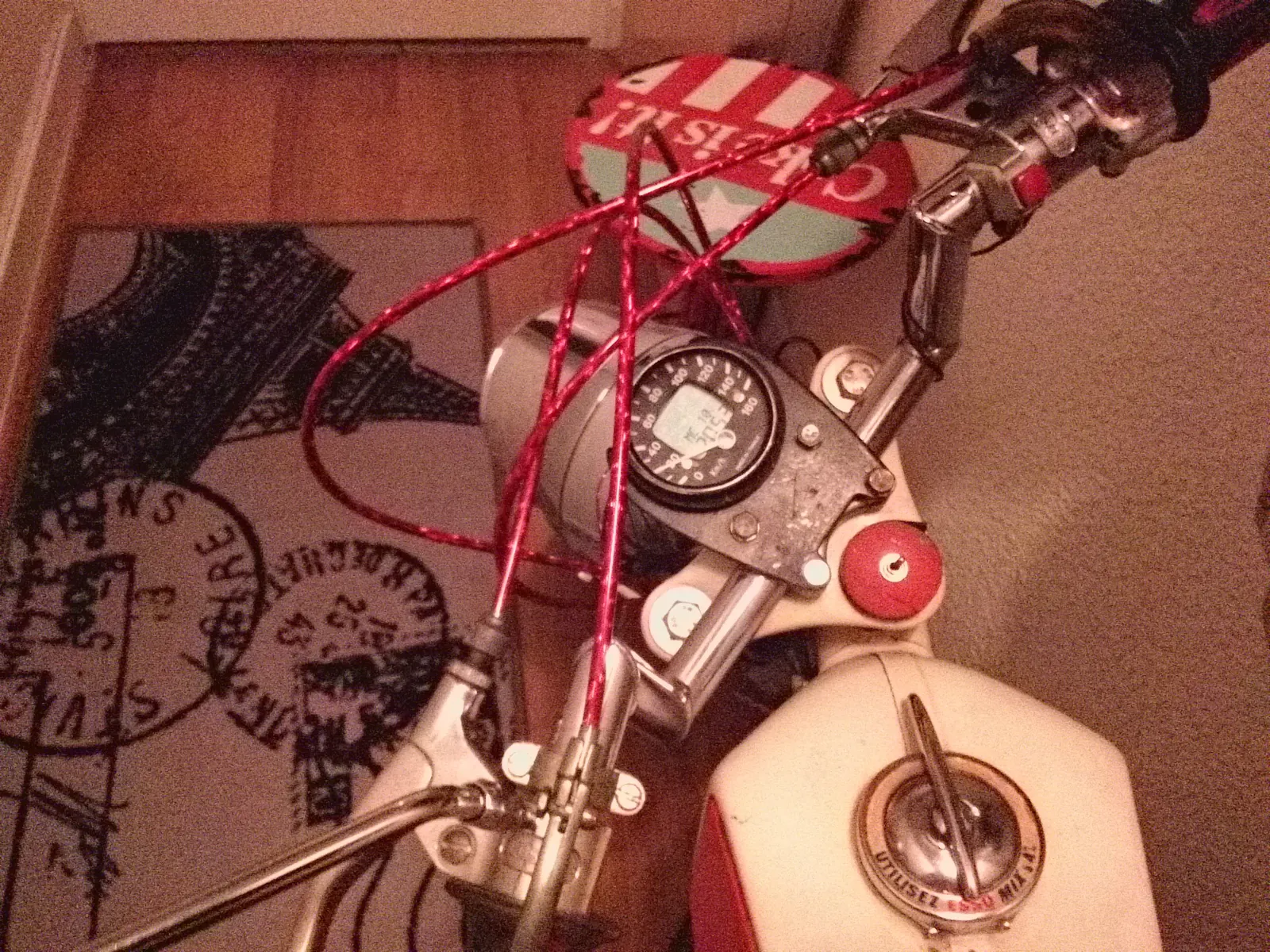
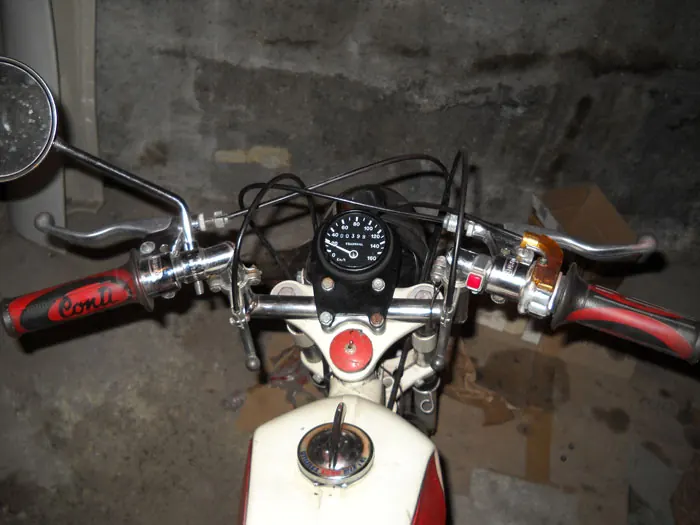
An old exercise bike meter found at a flea market now houses a Sigma MC10, with its connectors rewired at the back. In the original speedometer, a temperature sensor meant for an aquarium keeps an eye on the engine.

  • Sigma MC10
  • Temperature sensor
2020Chassis

Saving the GT10's special fork

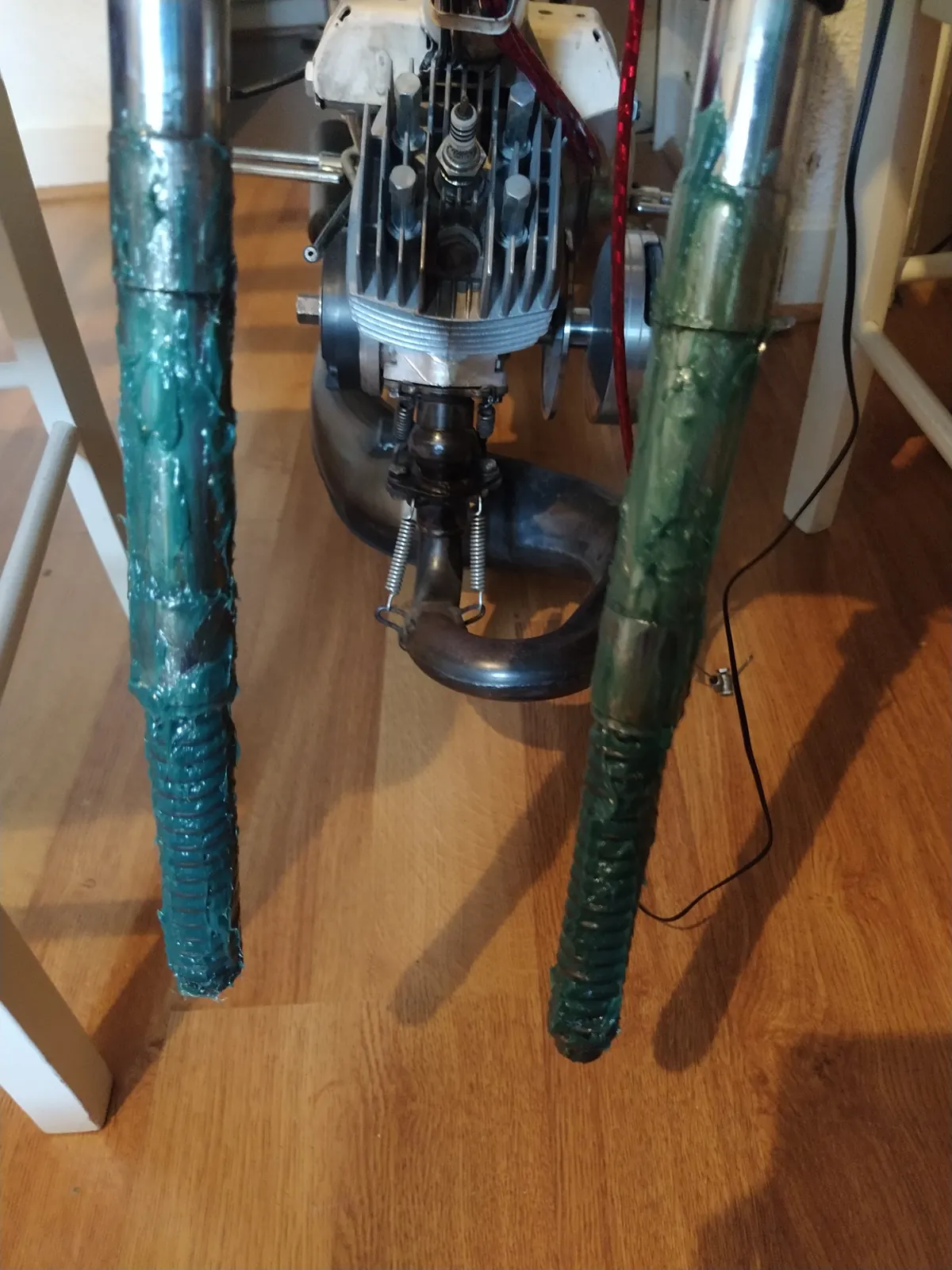
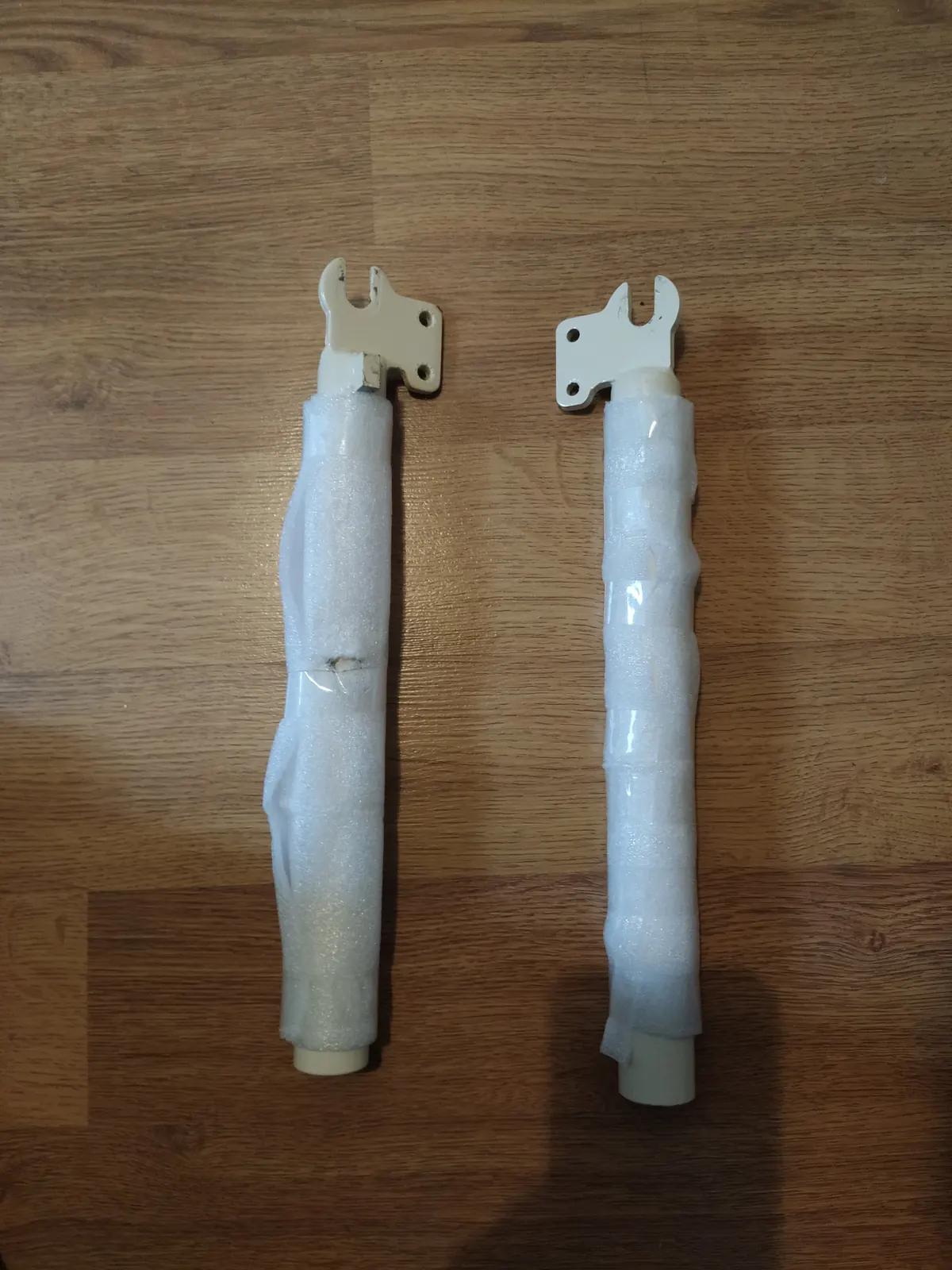
The GT10's fork has dimensions all its own, impossible to find anywhere else. Rust at the bottom of the tubes: dismantling, cleaning the tubes and springs, fresh oil and new gaiters.

Taking the fork apart and putting it back together, step by step, is on the page Restoring a GT10.

  • Fresh oil
  • Gaiters
2025Electronics & 3D

Indicators and alarm, without touching the wiring

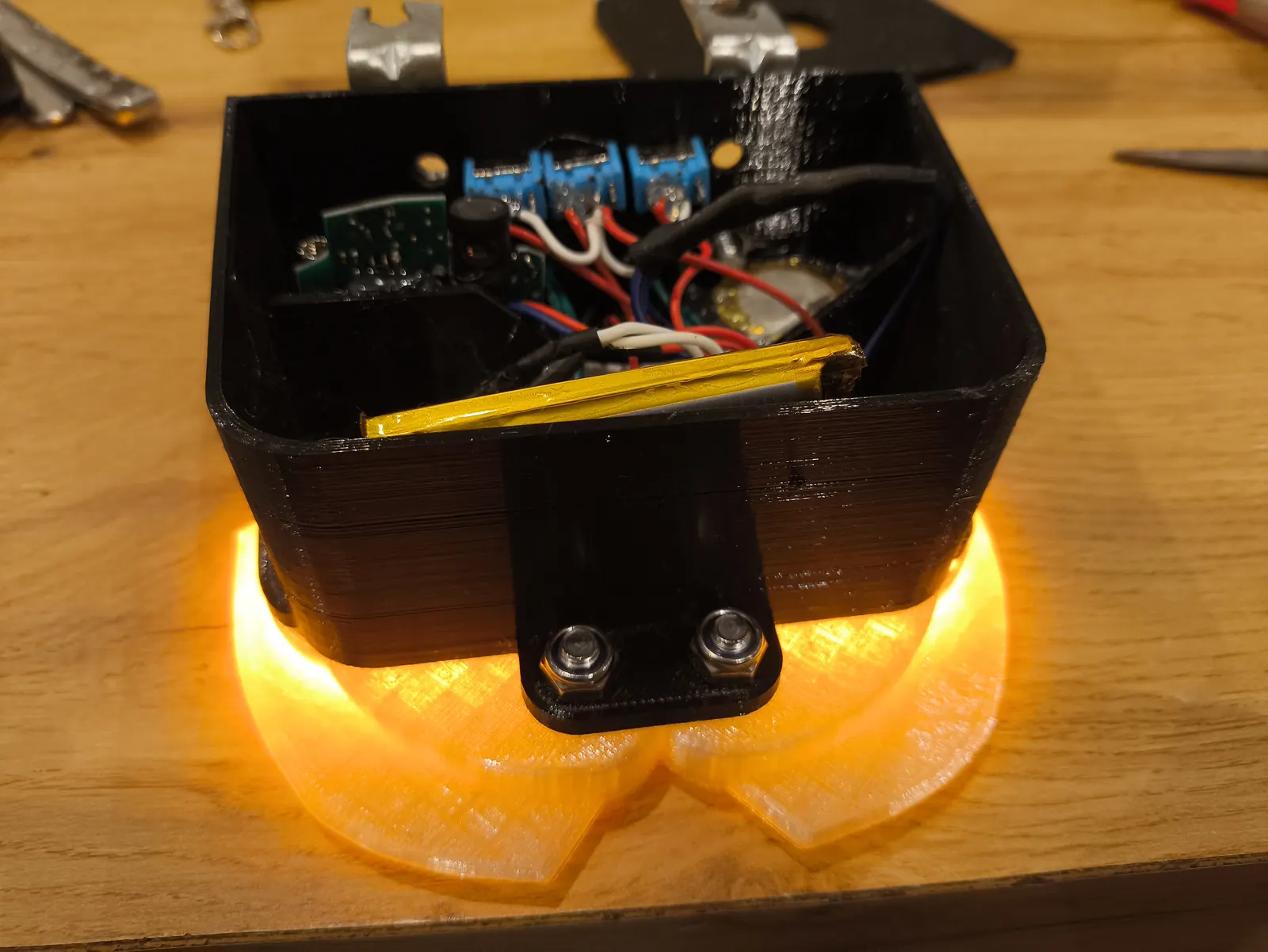
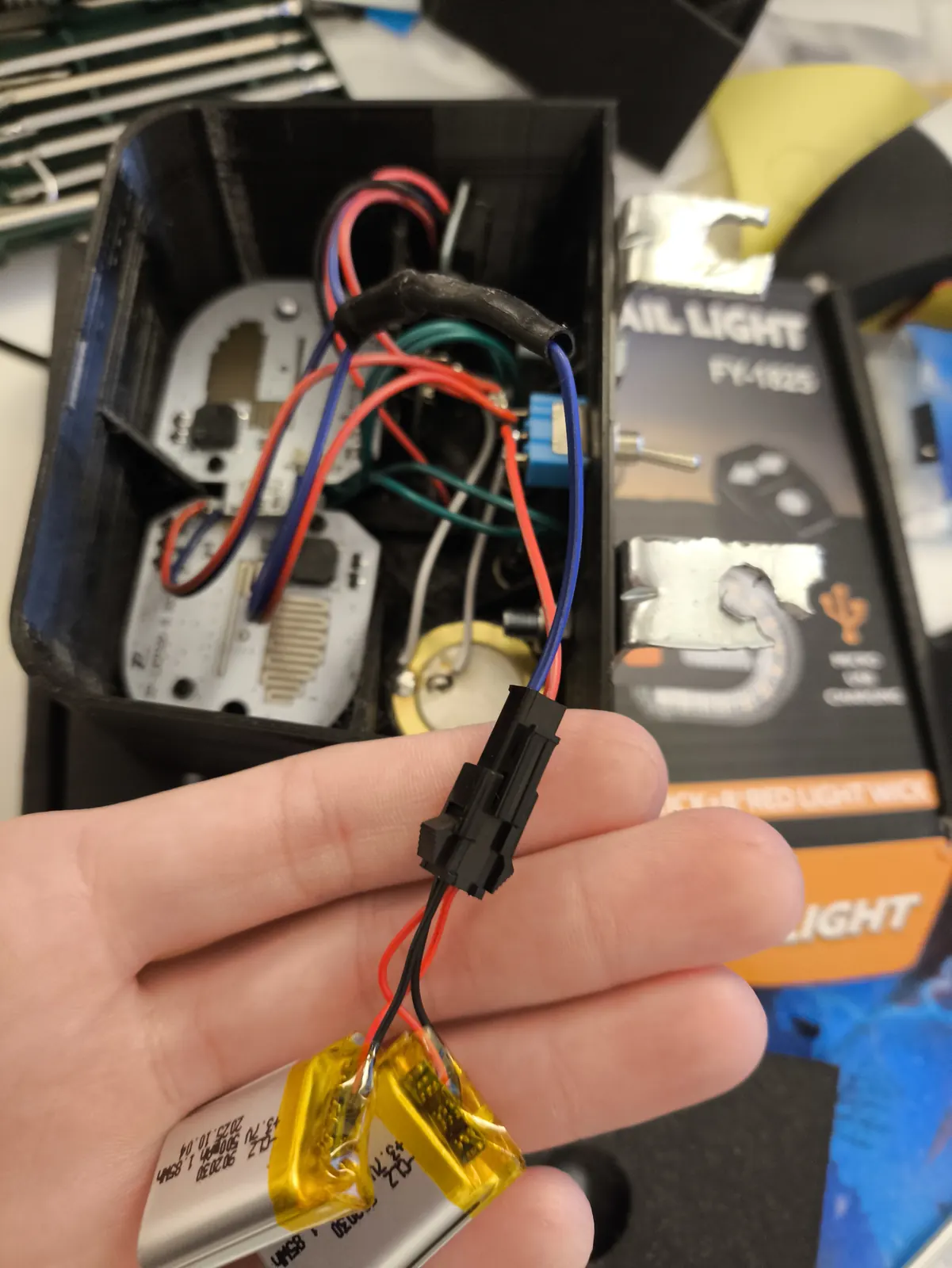
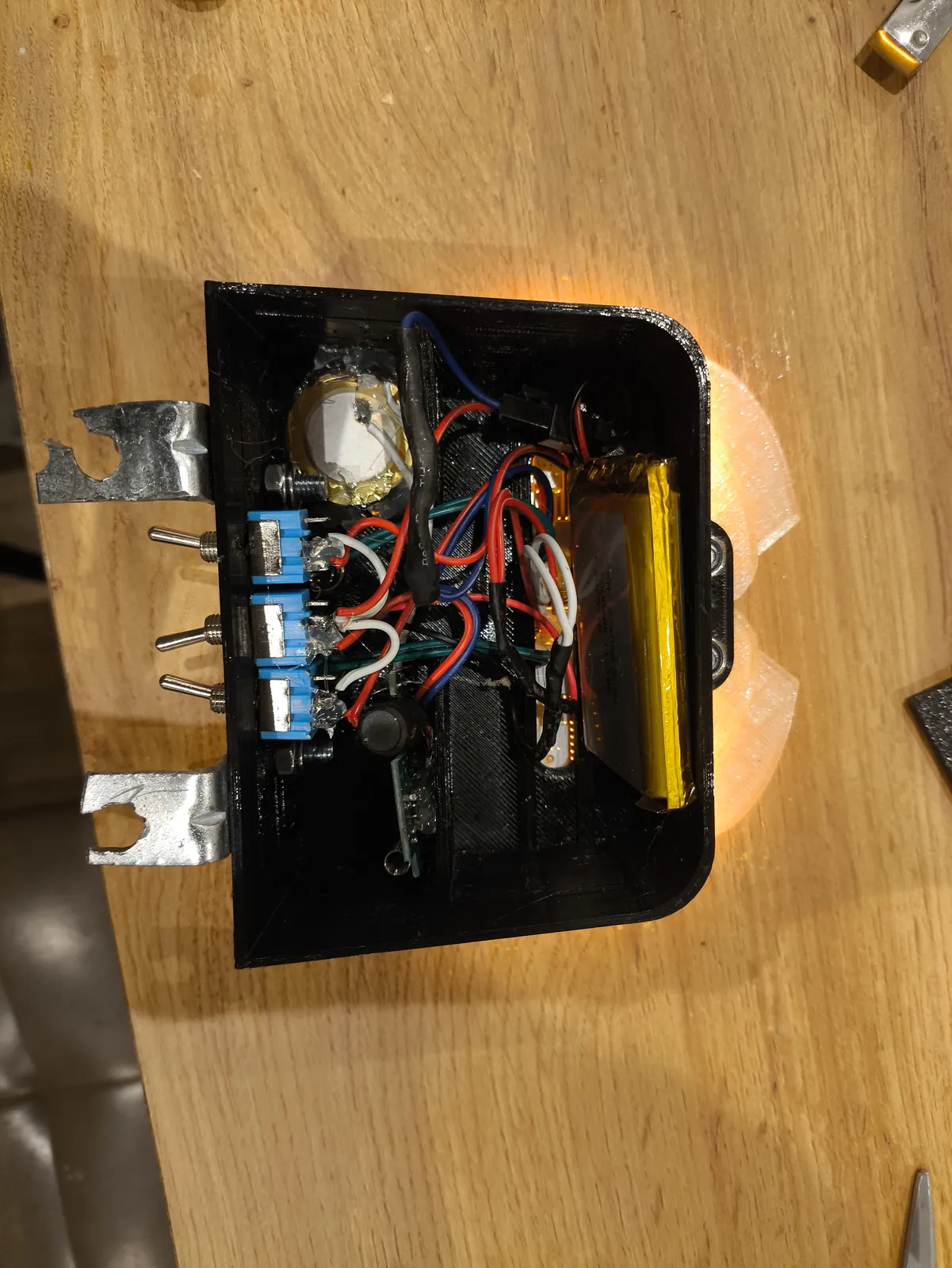
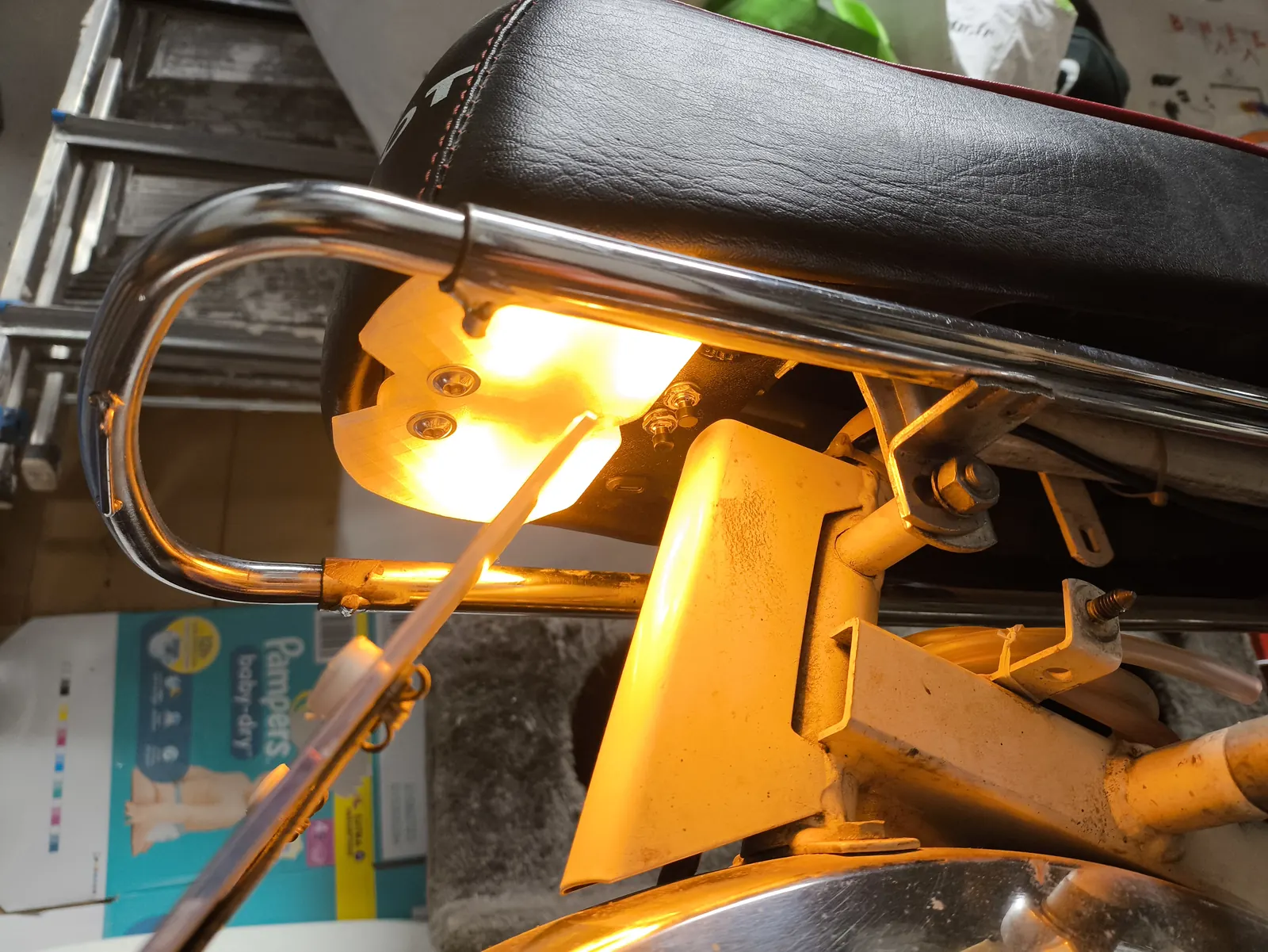
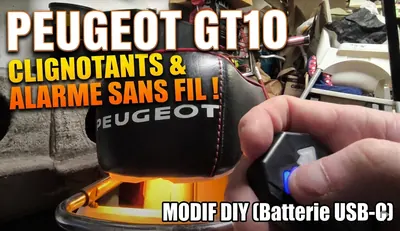
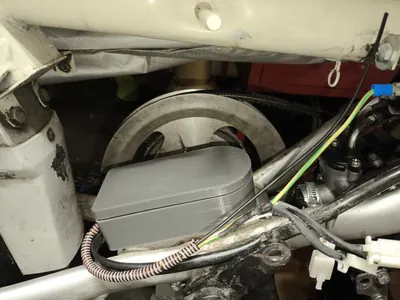
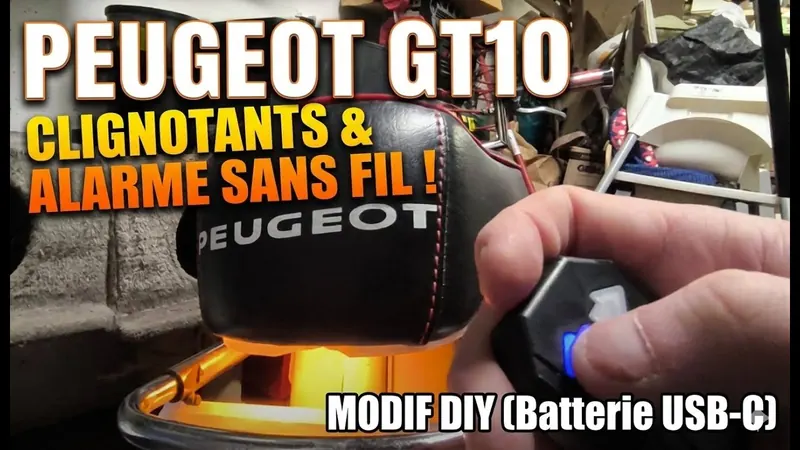
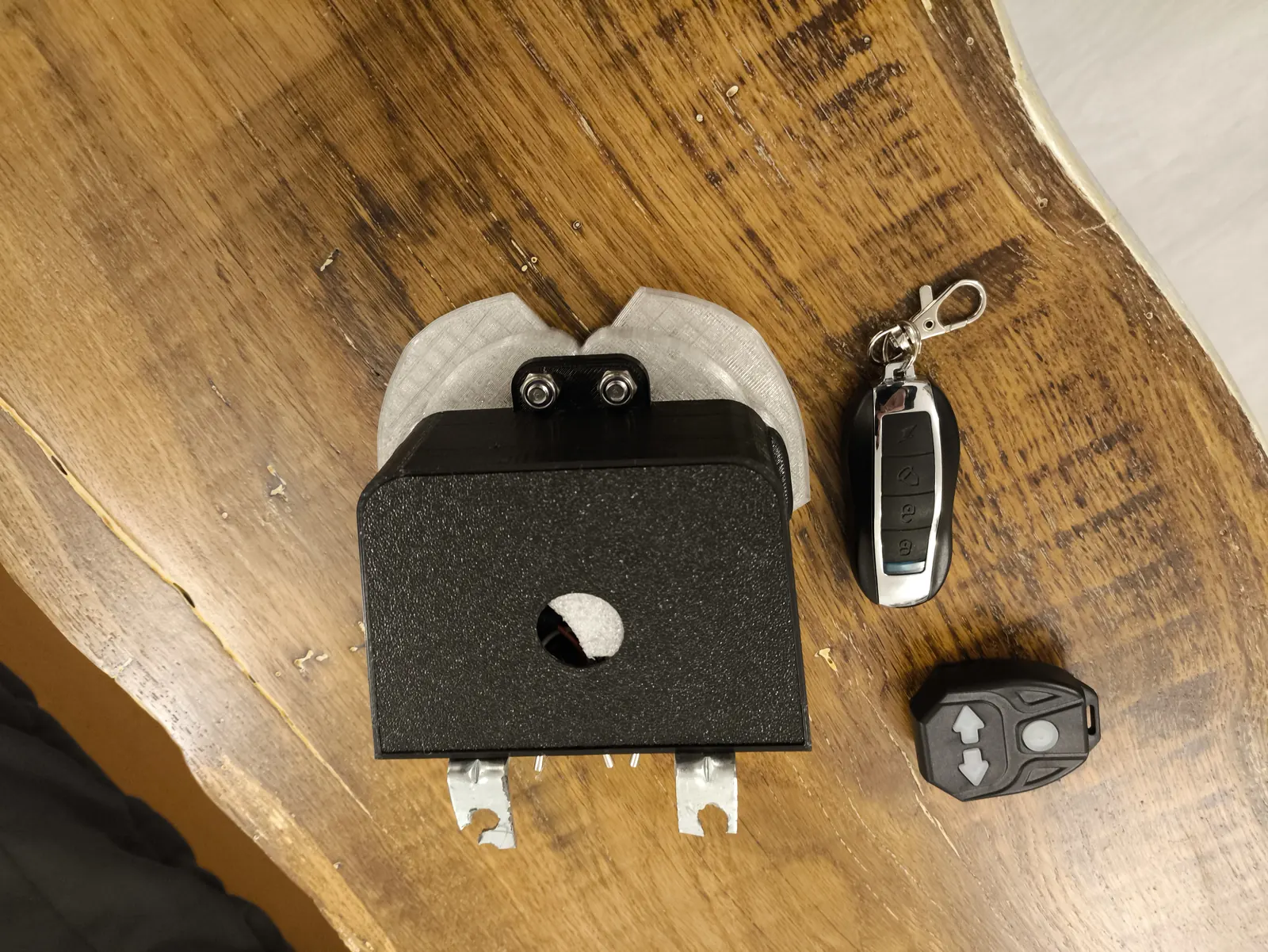
Wireless indicators and a vibration alarm, together in a housing I designed and 3D-printed, hidden under the seat. It all runs on a 3.7 V 3000 mAh battery, rechargeable over USB-C, with adapted bicycle components. The original wiring harness stays untouched.

  • Alarm
  • Wireless indicators
  • USB-C
  • 3D printing
February 2026Cockpit 2.0

A mount for the speedometer and the rev counter

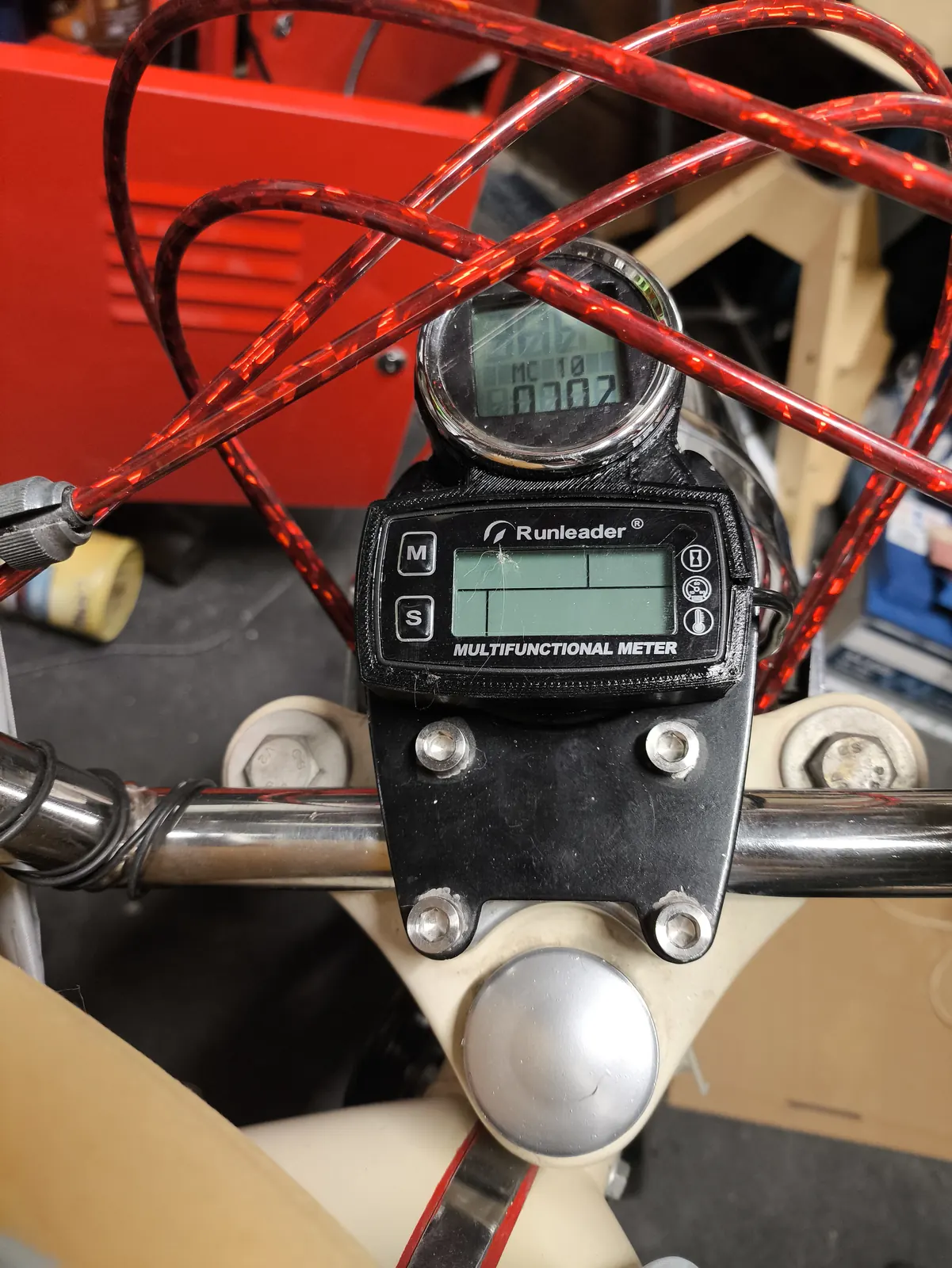
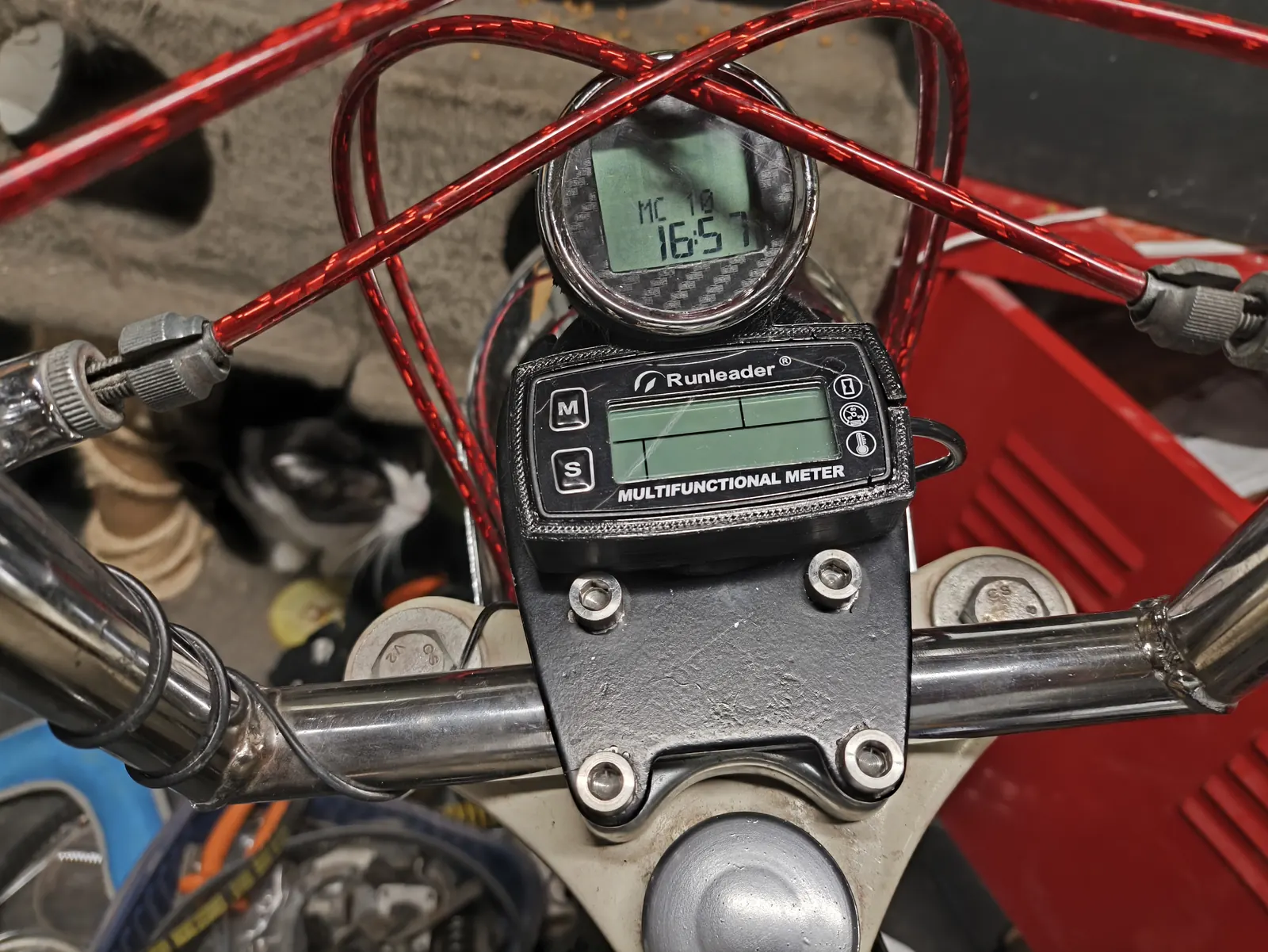
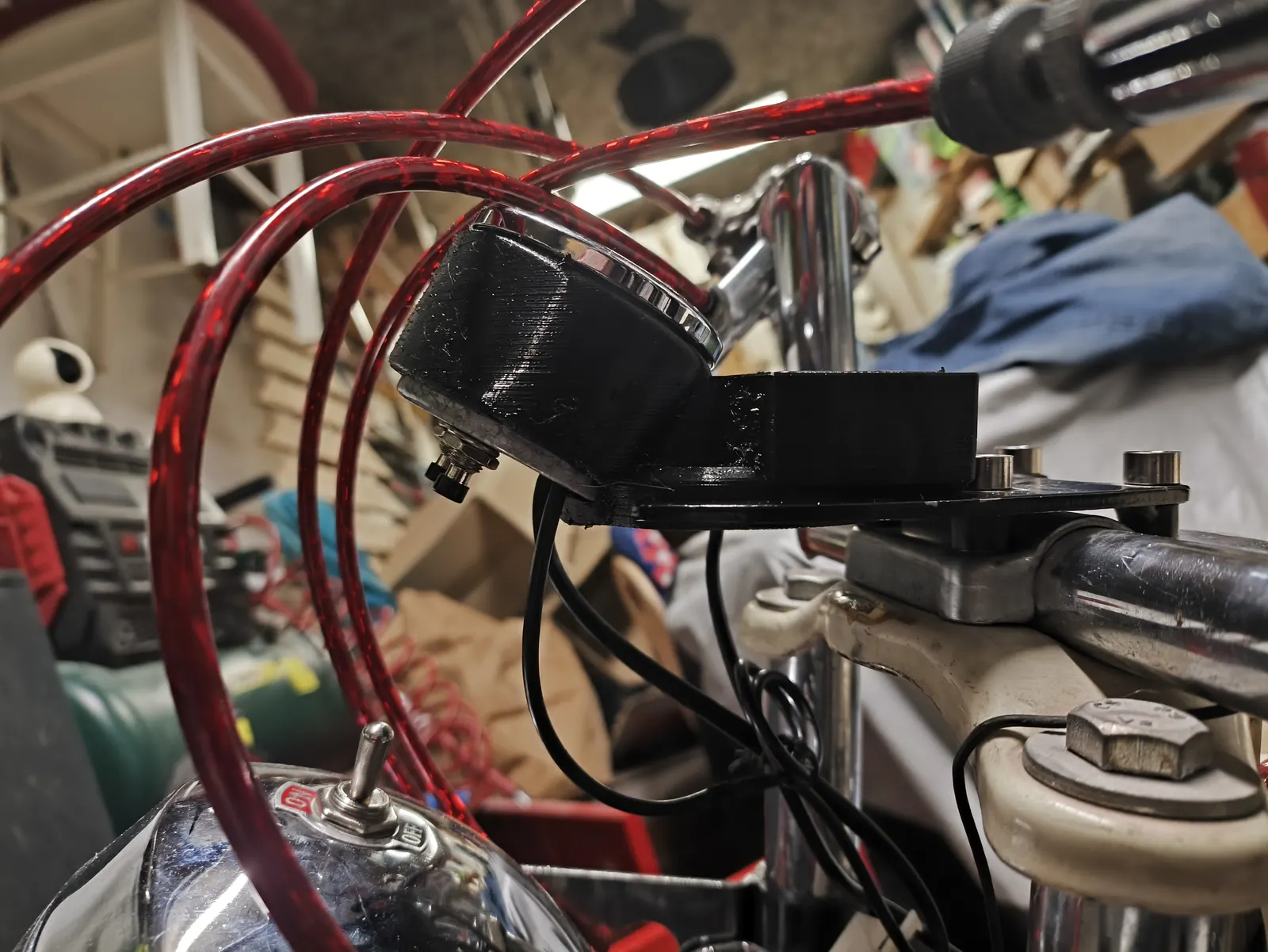
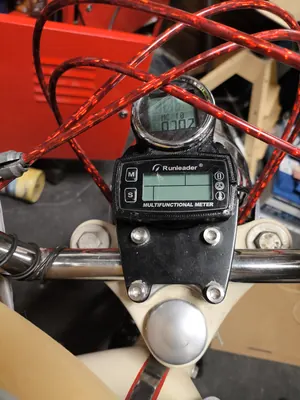
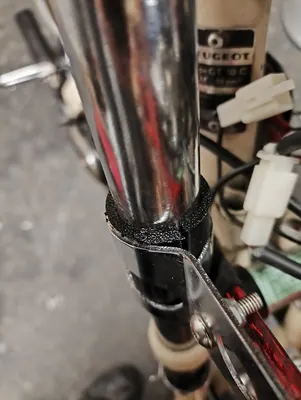
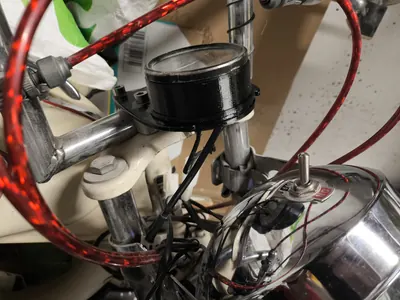
A new speedometer mount on the handlebar, designed and 3D-printed in TPU, a flexible material: it holds the round speedometer and, just below it, a Runleader. This multifunction meter replaces my 2019 aquarium temperature sensor, which topped out at 120 °C. Its probe, fitted on the cylinder head, gives the engine temperature, and a simple wire wrapped around the spark plug lead gives it the revs per minute.

The mount files are available further down, in the 3D-printed parts.

  • TPU mount
  • Runleader
  • Cylinder head temperature
  • Rev counter
March 2026Full range

The Doppler ER3 optimised across its whole range

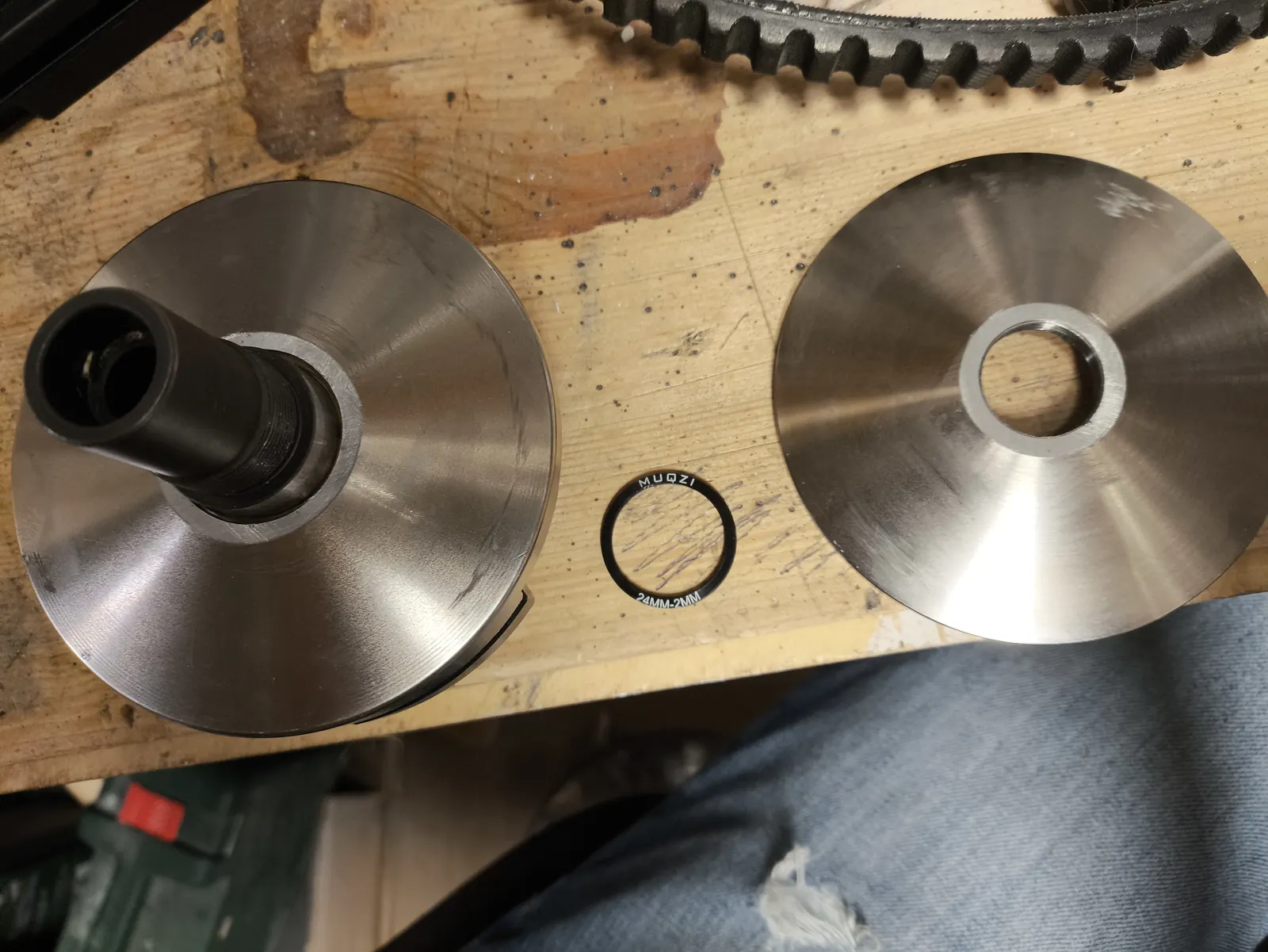
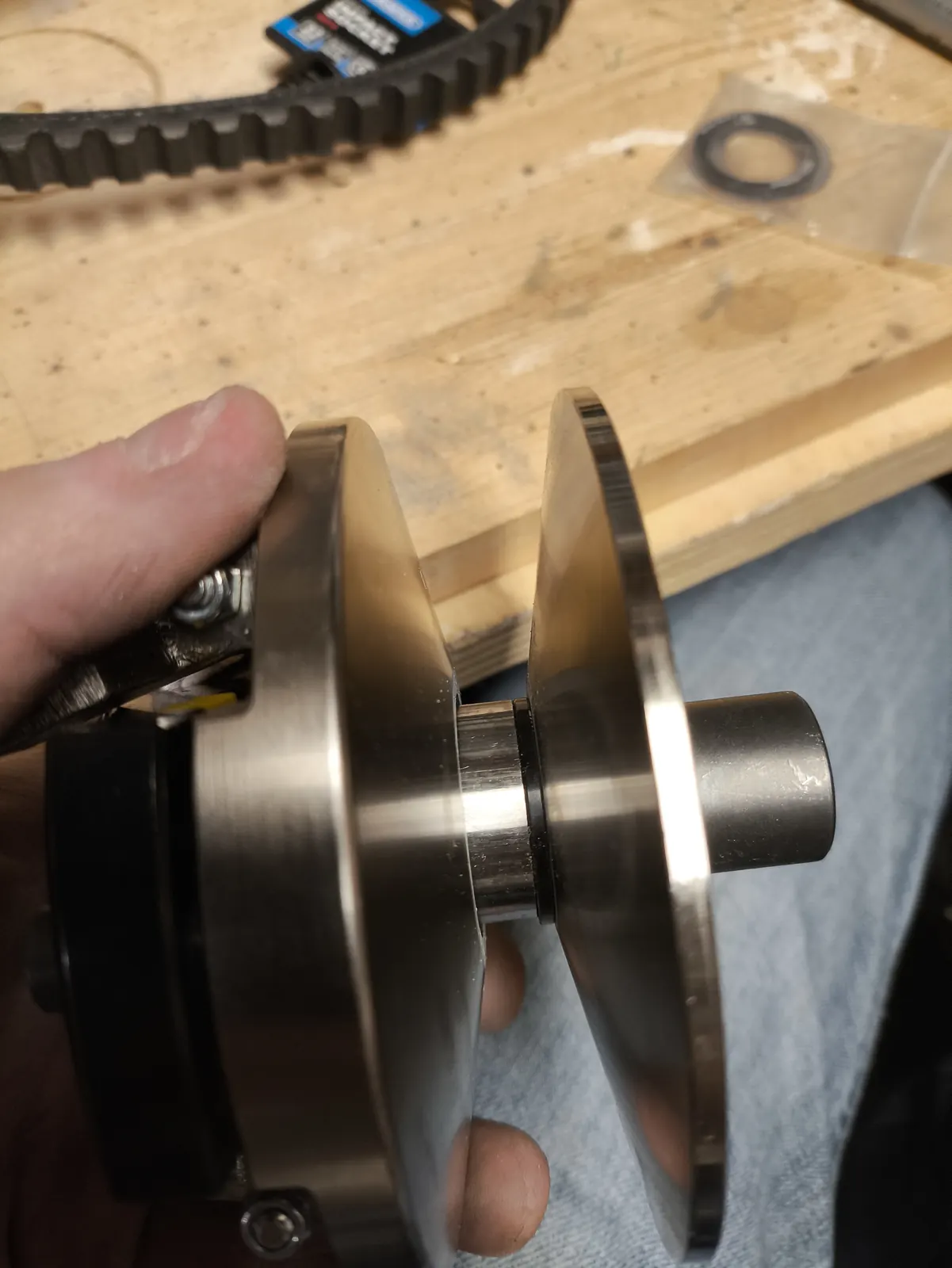
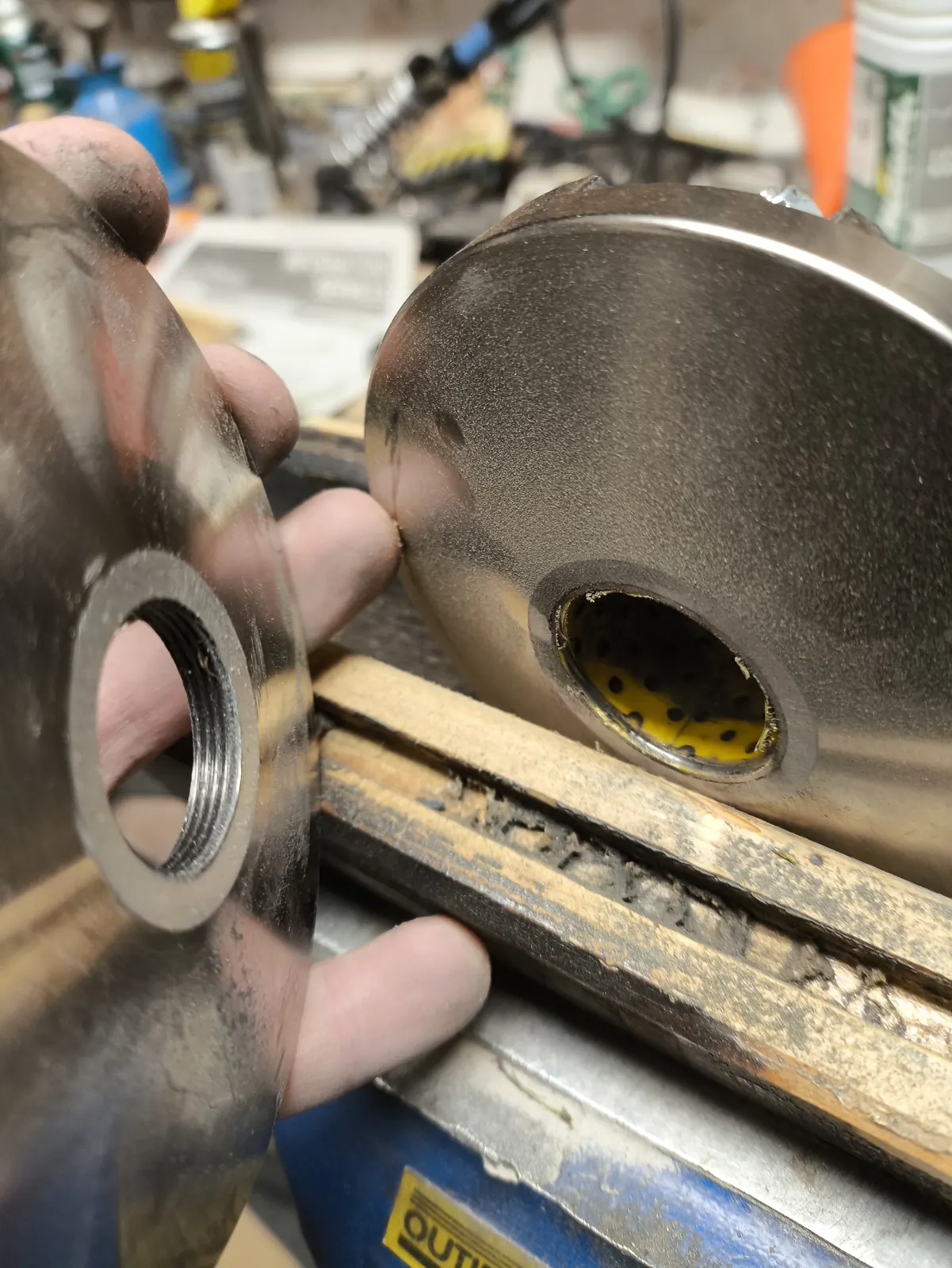
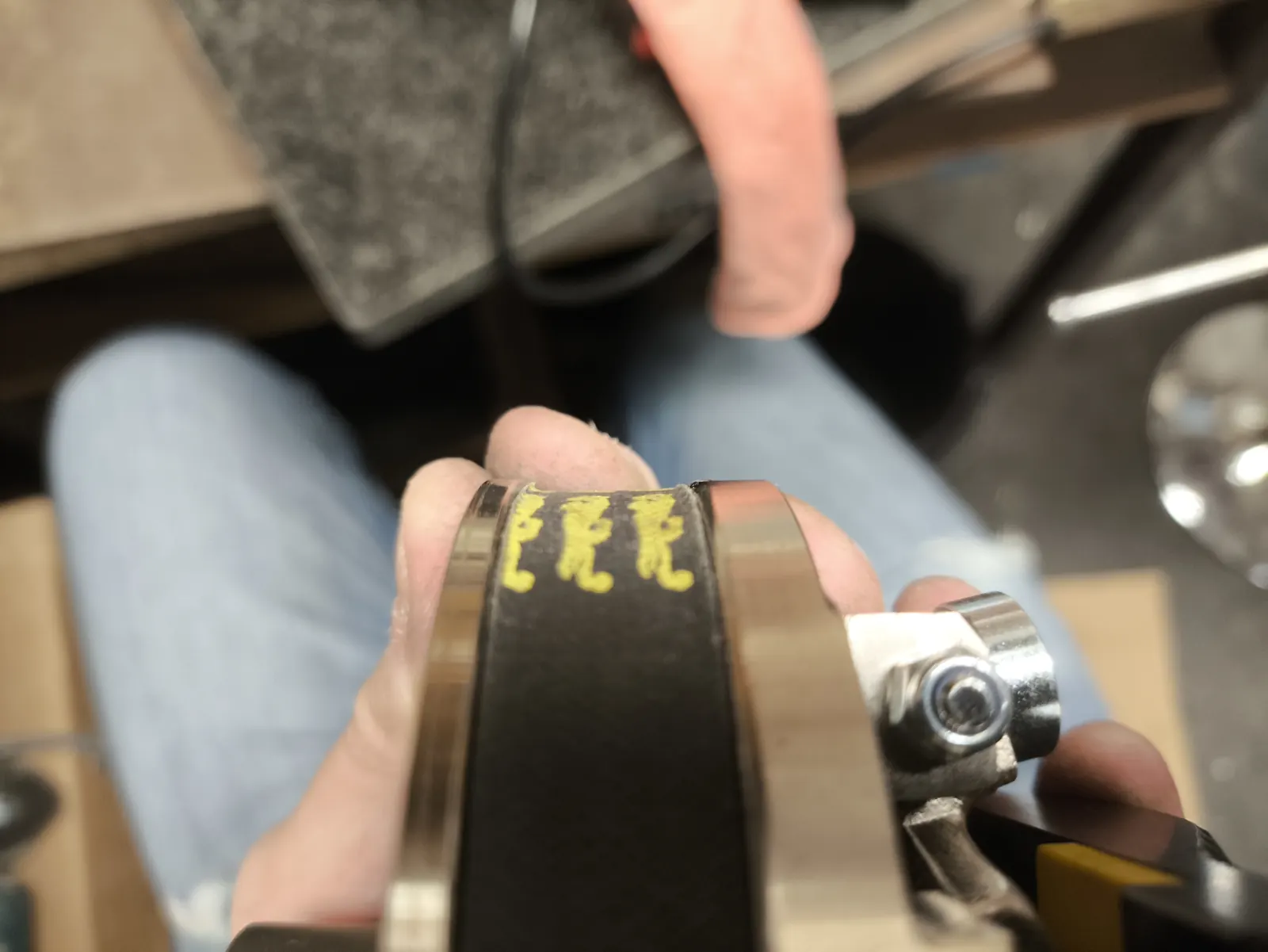
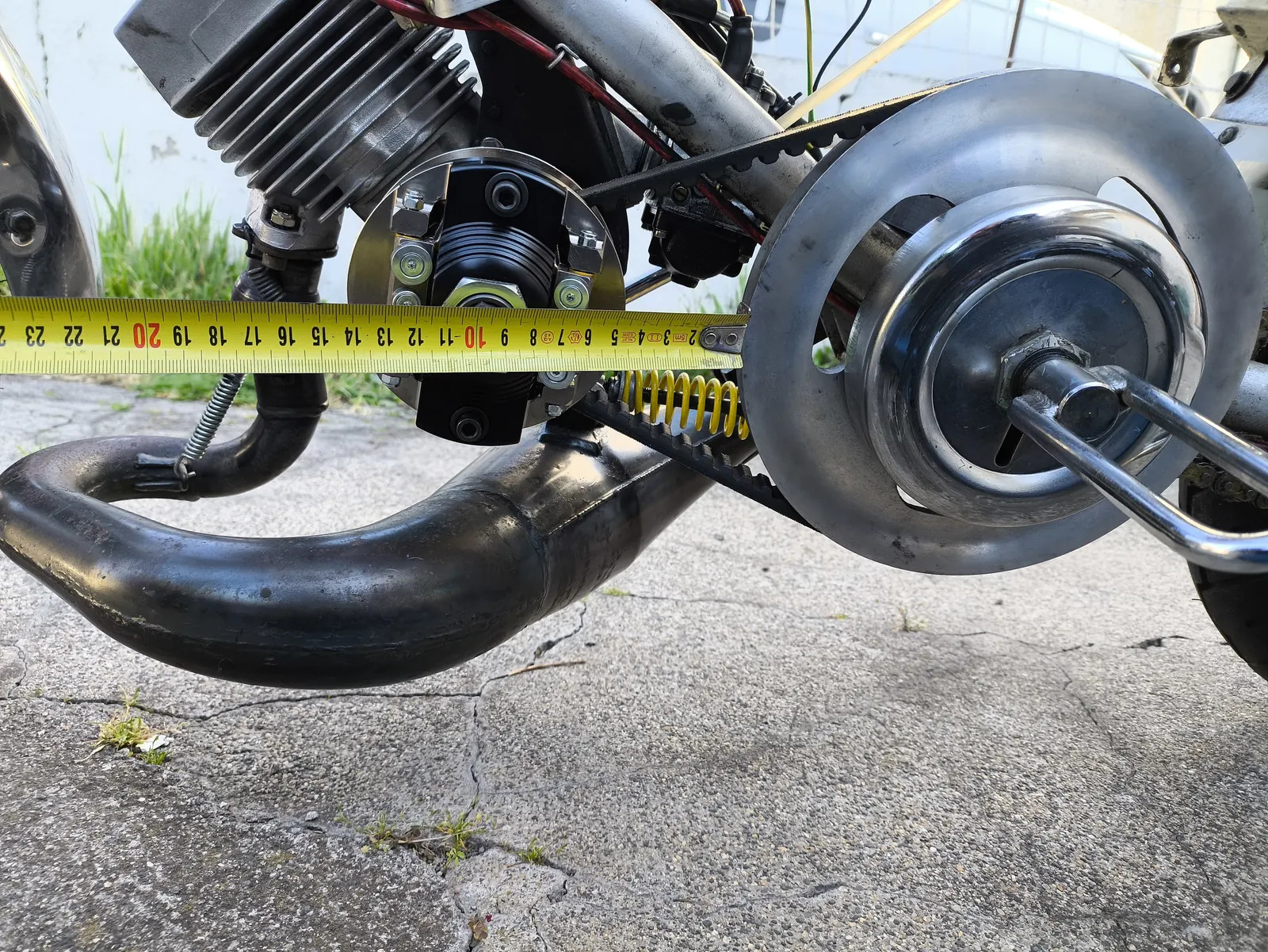
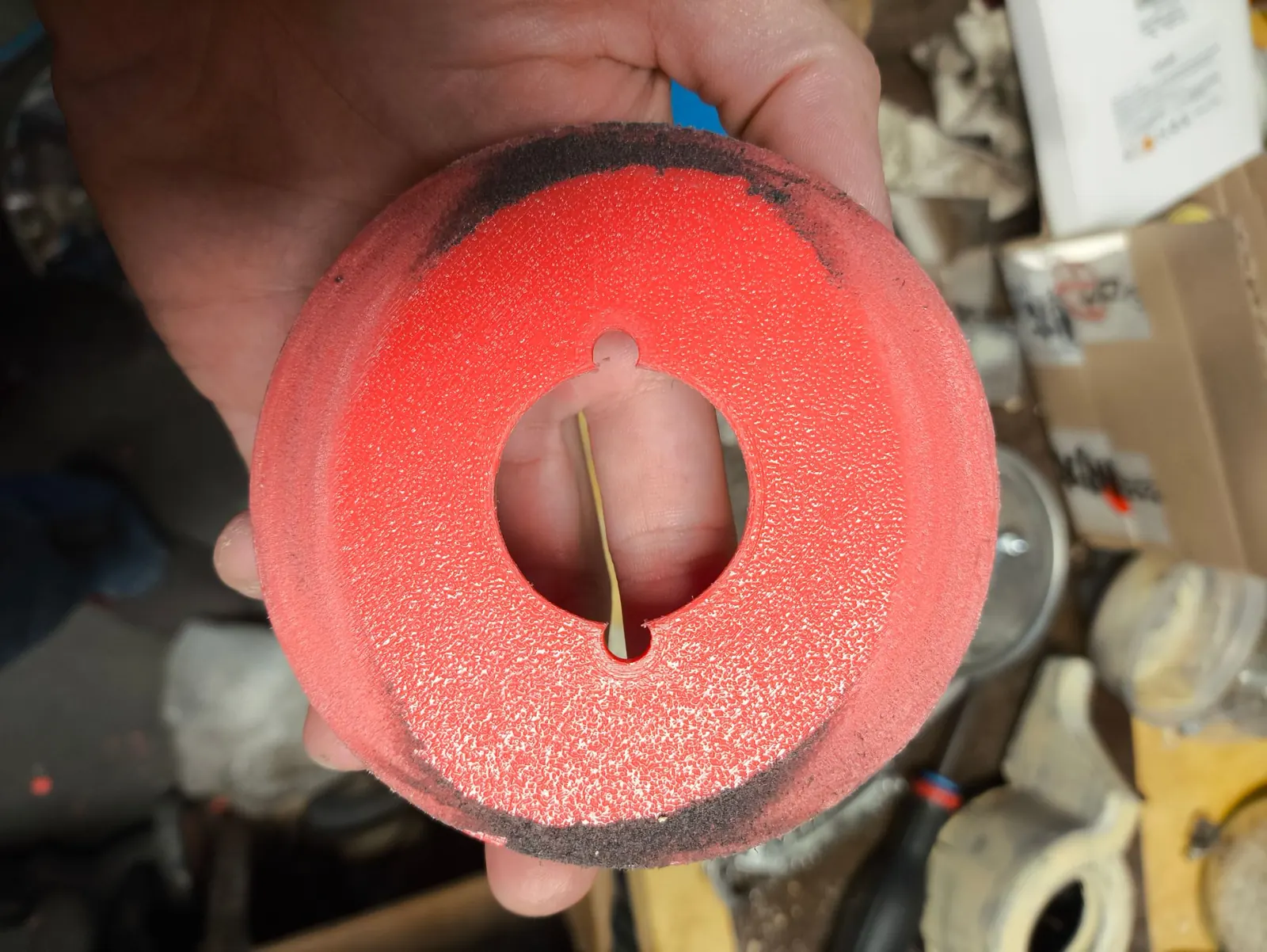
After a lot of trouble setting up the wide range of the Malossi Variotop variator, I switch to the Doppler ER3: easy to set up, but not optimised straight out of the box. I enlarge the sleeve with a 2 mm washer, so that at rest the belt sits as low as possible without touching it: you gain at pull-away. I lightly grind the pulley faces so that at full opening the belt climbs right to the top. Finally, I shift the engine 4 mm to the left for perfect alignment with the clutch pulley.

The setup: Doppler ER3 variator, Doppler ER2 11-tooth clutch, Malossi 617233 belt, 15x8x853 at 32°, 38-tooth rear sprocket. The whole range is finally used, with no rider on board: the road tests are still to come.

  • Doppler ER3
  • Enlarged sleeve
  • Ground pulley faces
  • Engine shifted 4 mm
  • Malossi 617233

Read the step-by-step guide: optimising a Doppler ER3 →

Watch the test video ↗

2026Rise and fall

The transmission, to the millimetre

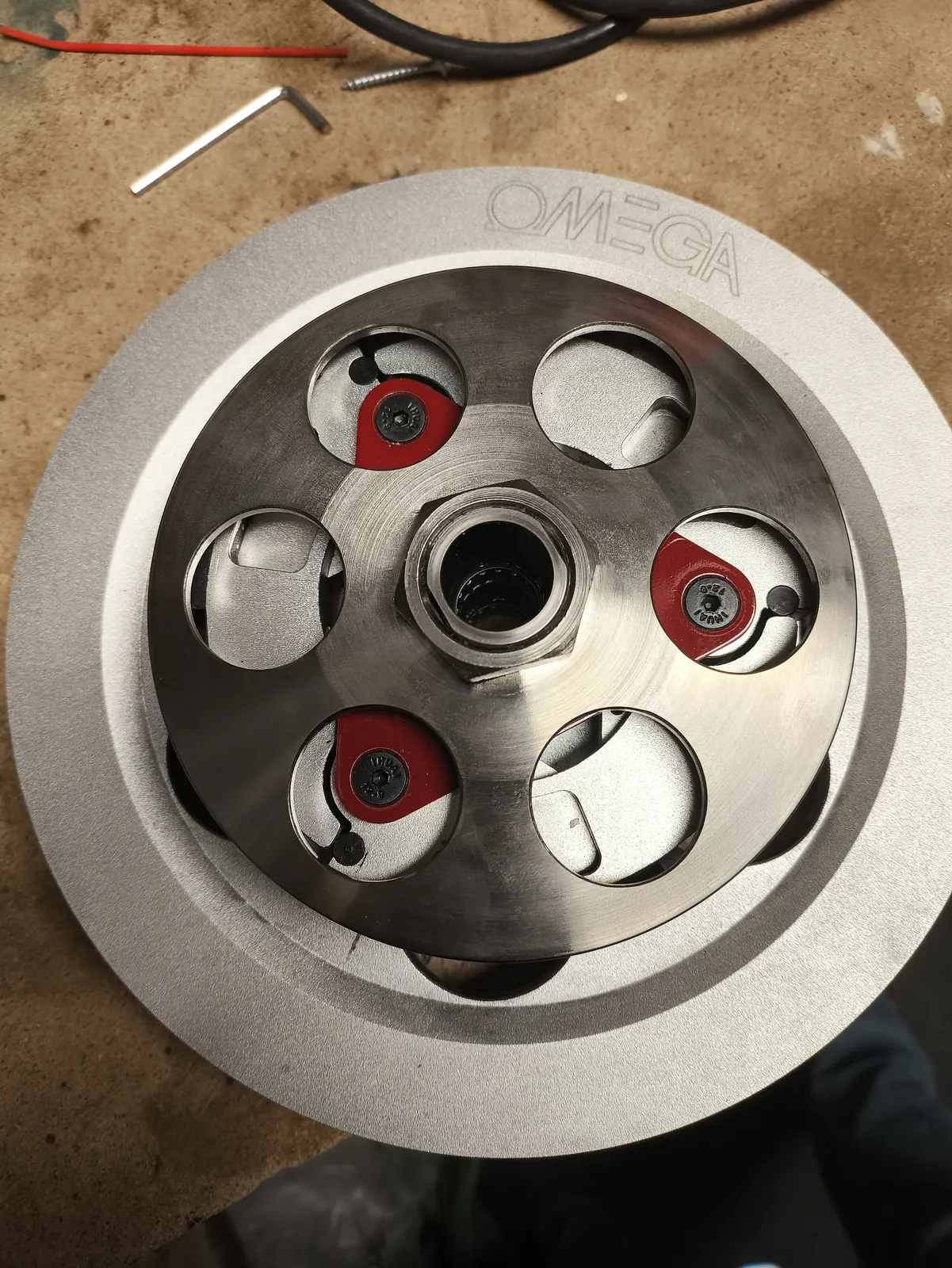
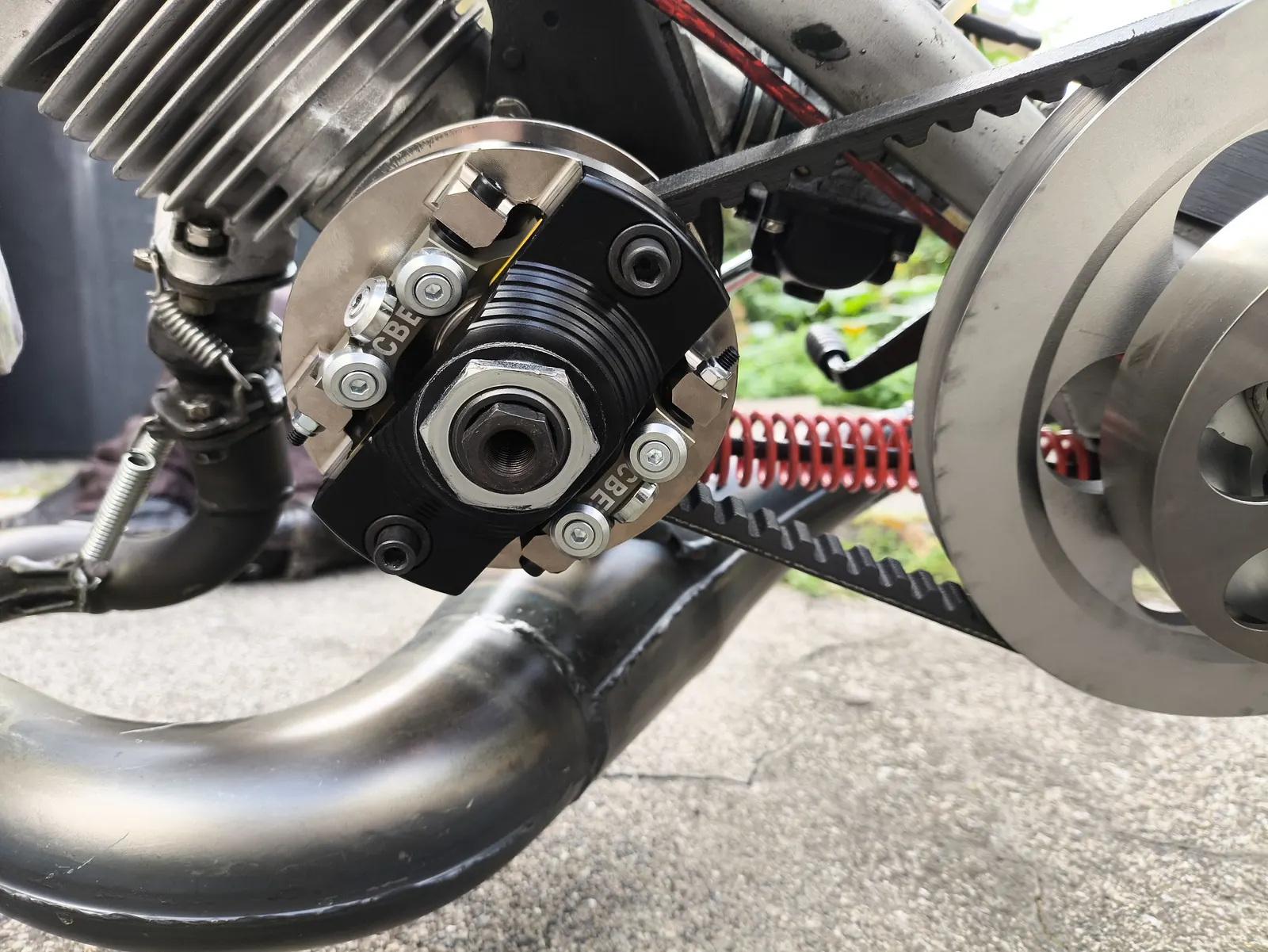
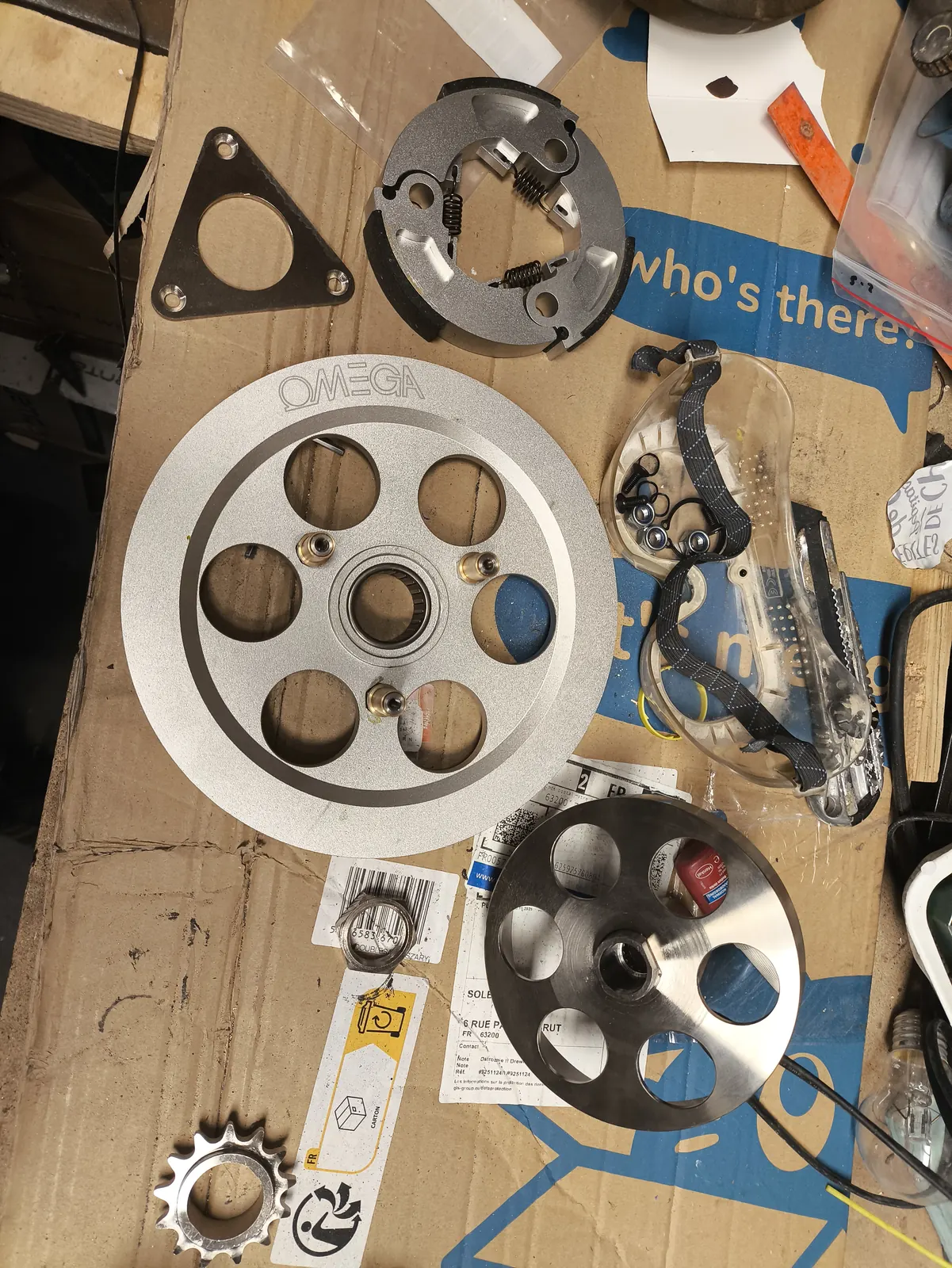
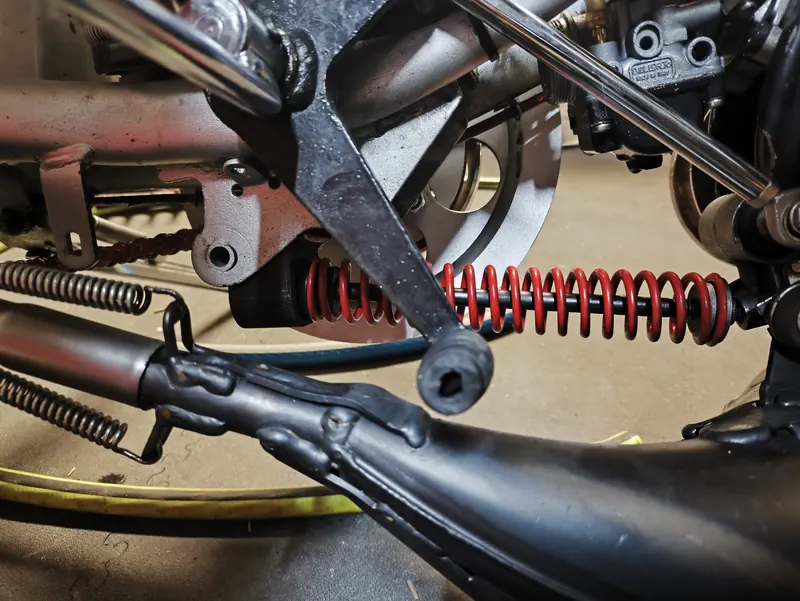
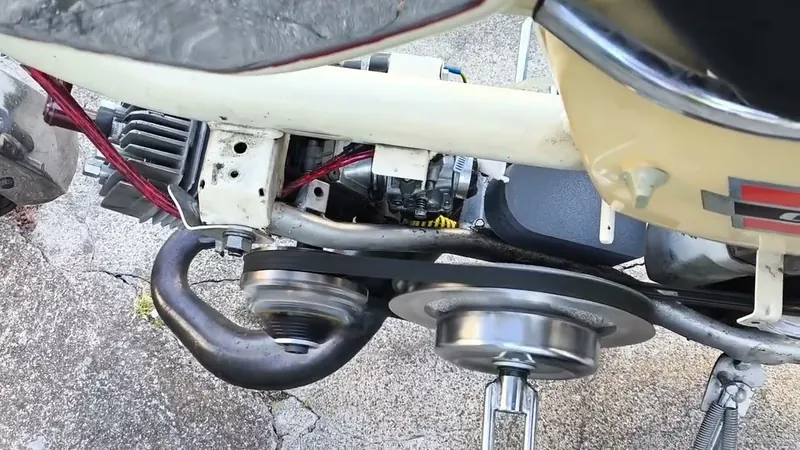
With the range sorted, I move to a 13-tooth sprocket thanks to an Omega Revo clutch pulley. When it arrived, a machinist turned it to 32° to take the 15 mm Malossi belt. Switching to 13x38, because on 10-inch wheels the engine spins like mad. The variator still only uses two thirds of its travel: there's room to spare. To stop the engine over-revving, the Doppler ER3 weights make way for better-quality CBE ones, at the maximum weight. The only downside: the bracket of the Polini V1 exhaust snapped clean off, a classic on this model. A Polini Sport V2 takes over.

  • Omega Revo
  • 13-tooth sprocket
  • 13 x 38
  • CBE weights
  • Polini Sport V2
2026Bodywork

The side panels get their GT 10 decals back

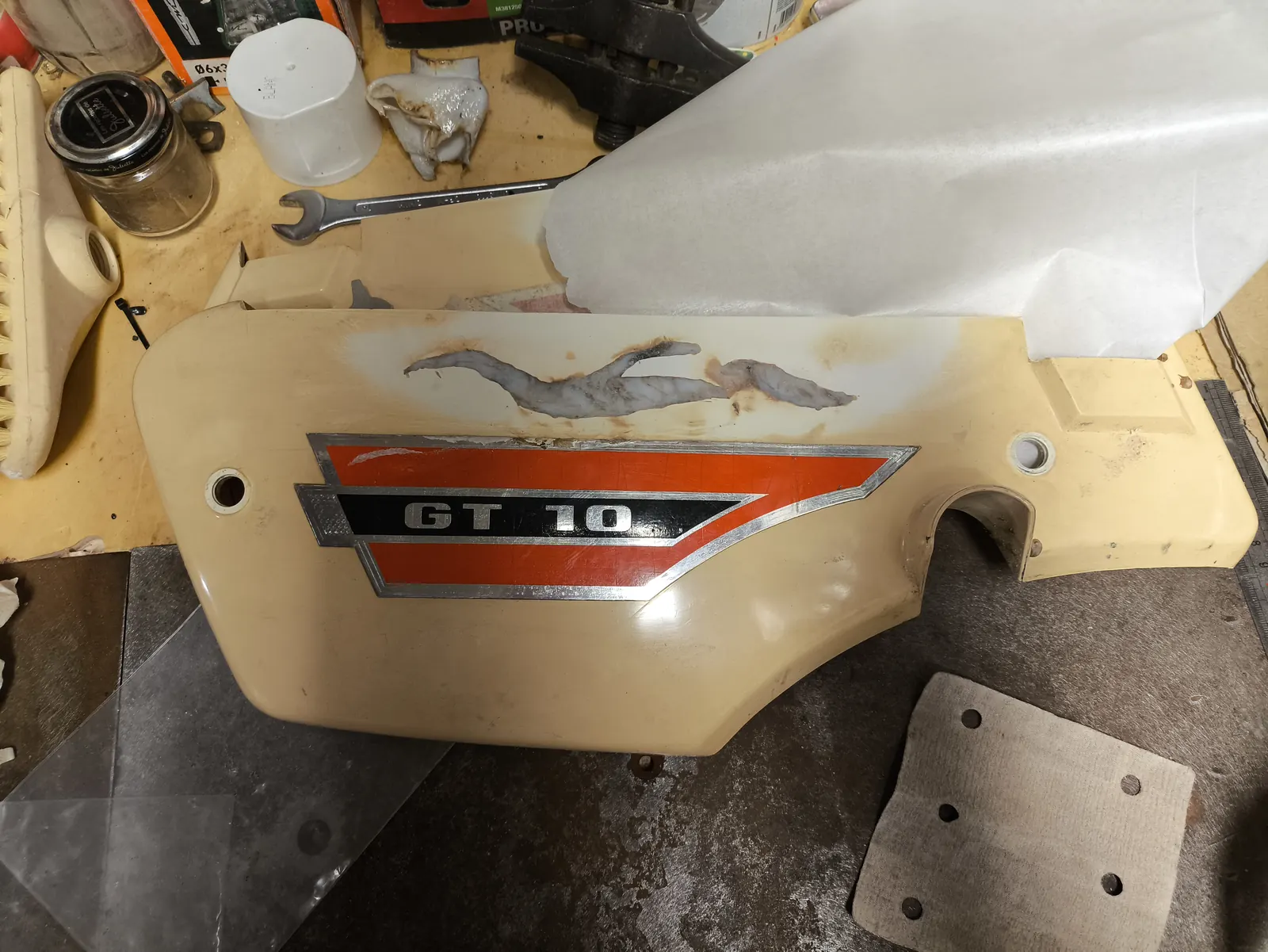
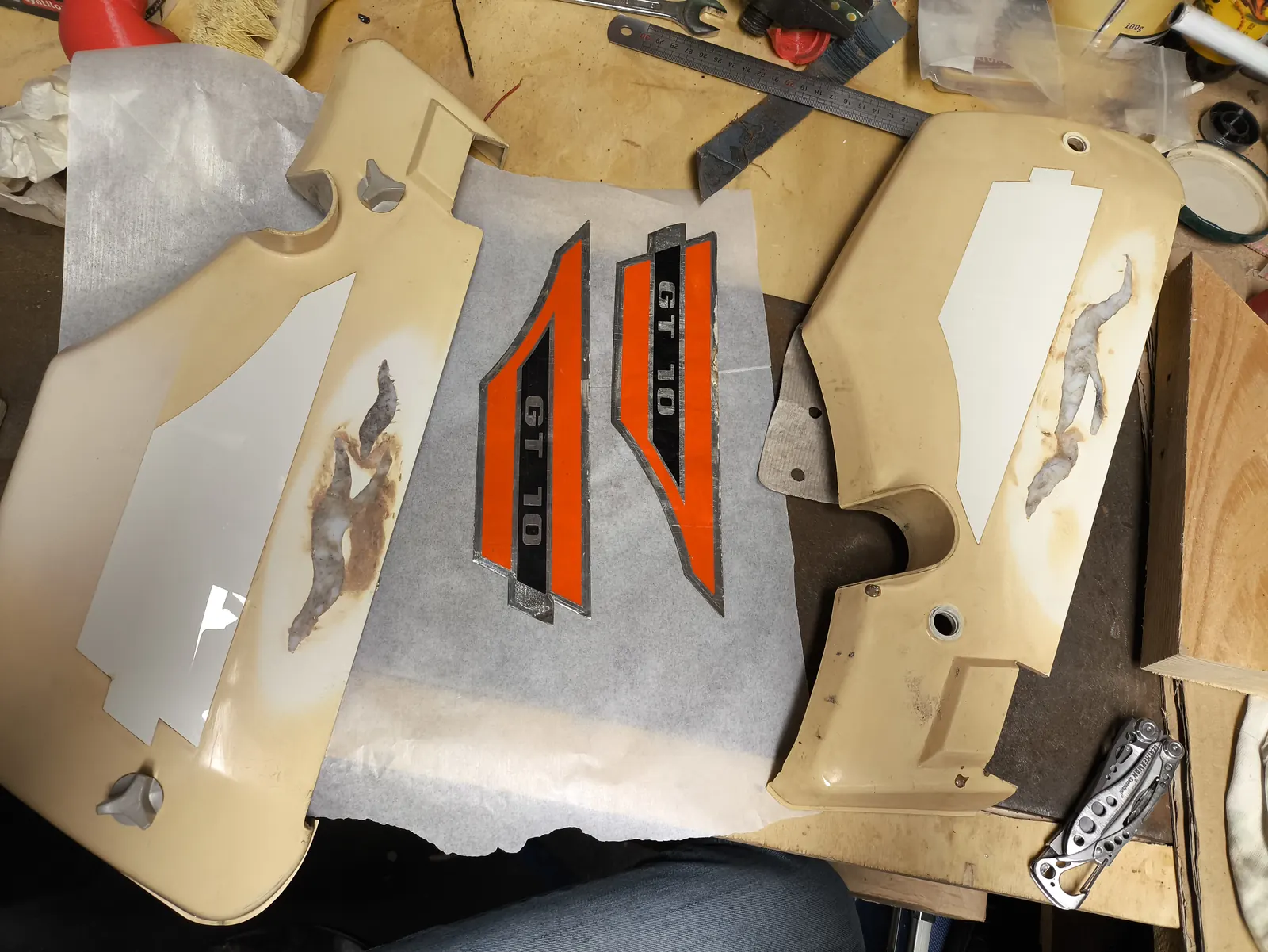
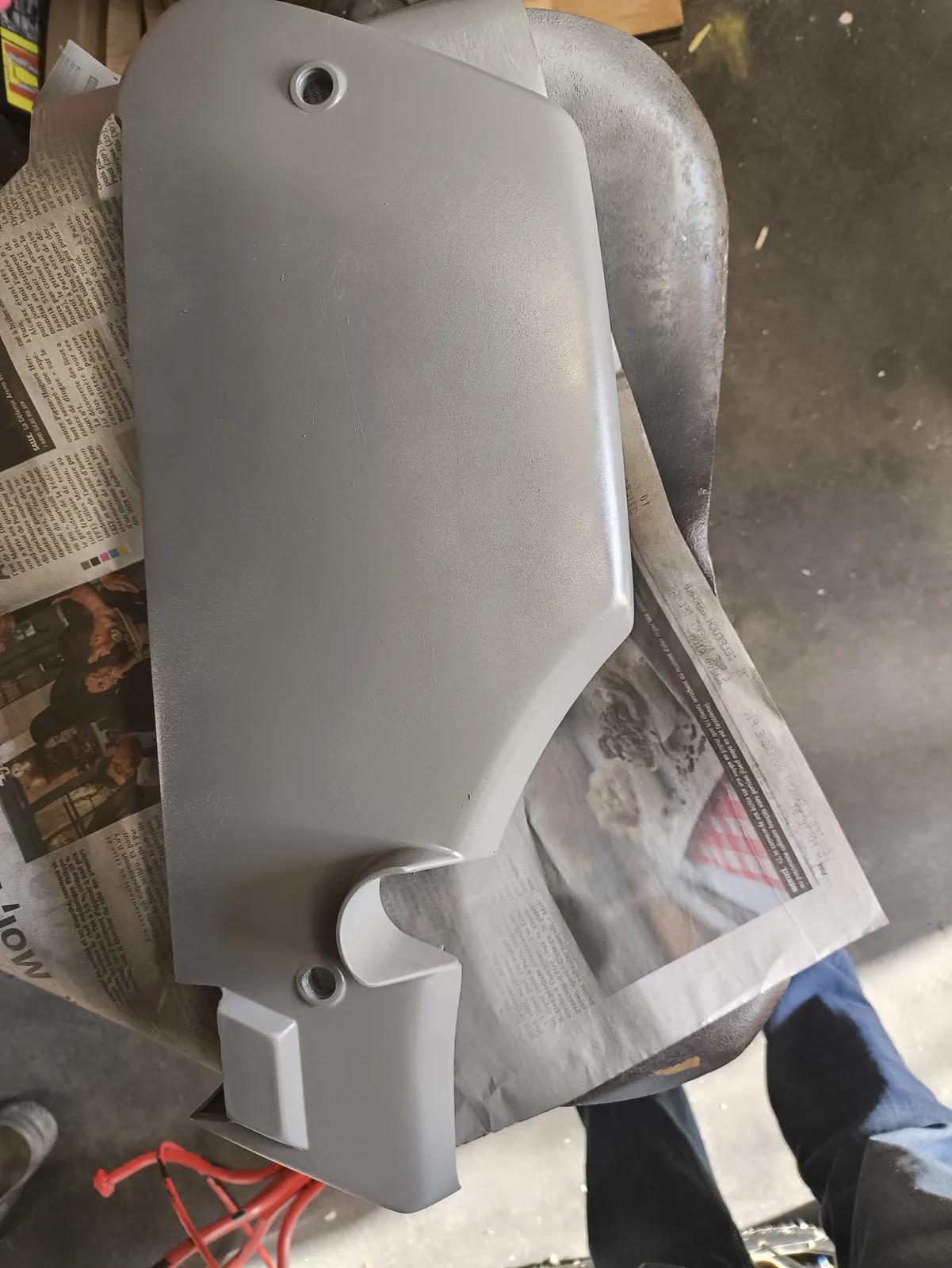
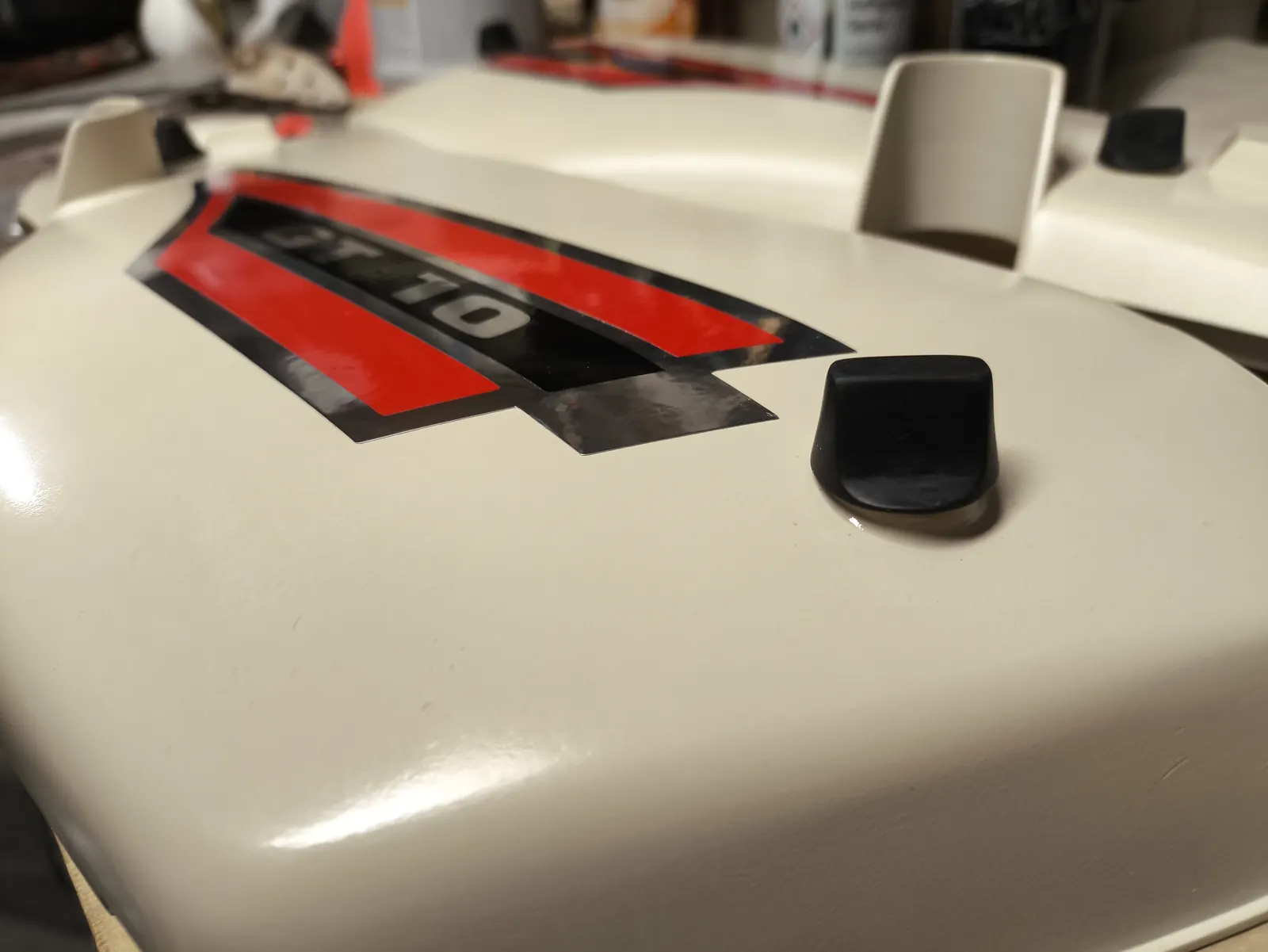
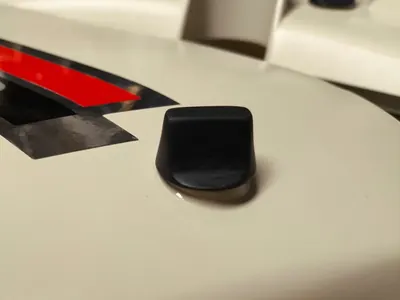
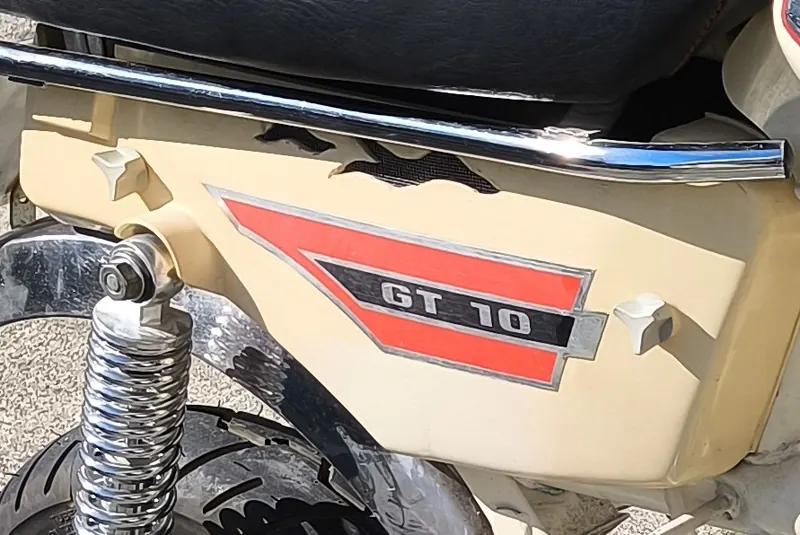
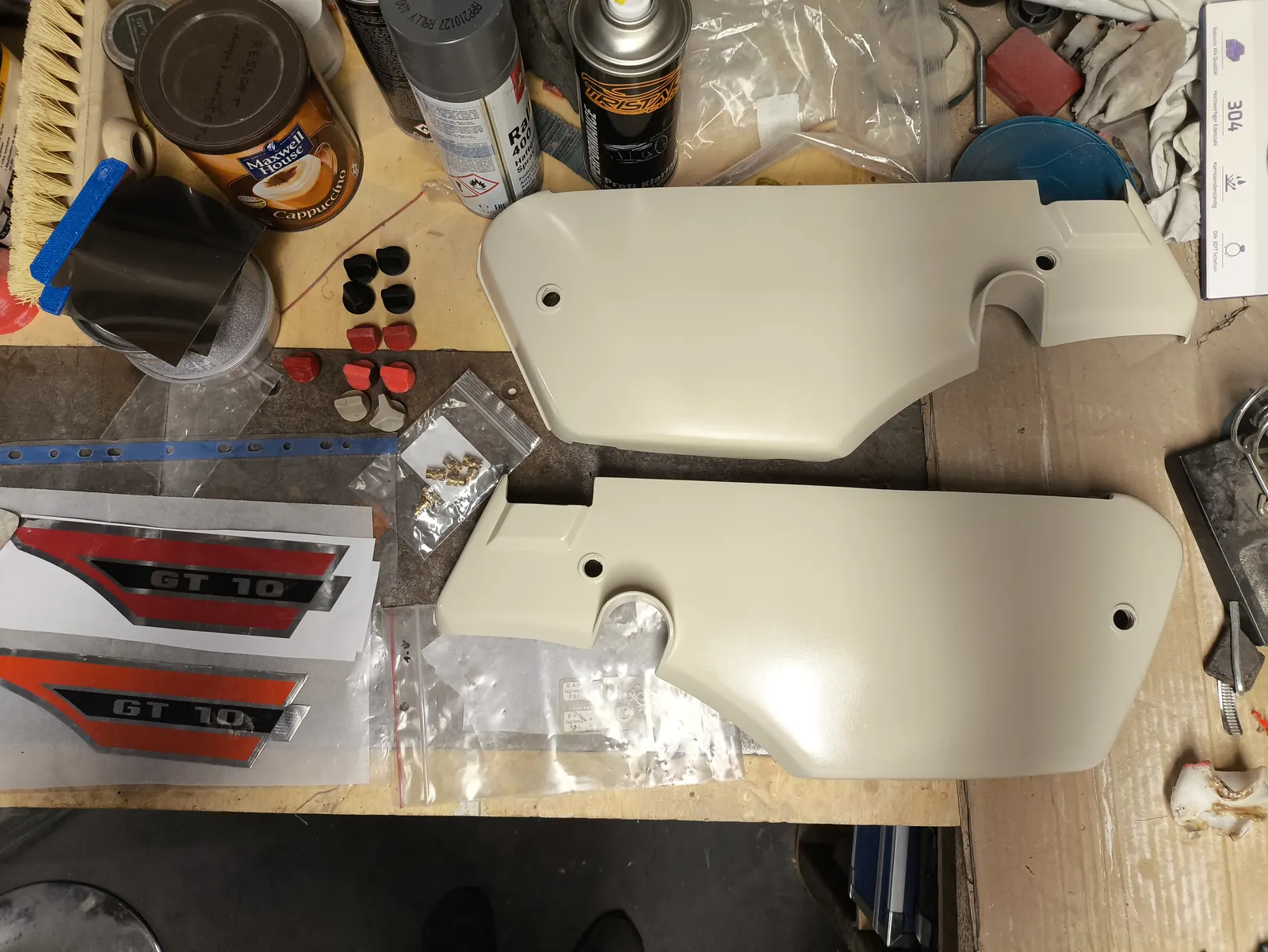
The side panels, which I had cut open with a Dremel back in the day, start again from scratch: filling, primer and paint. My neighbour recreated the GT 10 stickers by vectorising the old ones, in a real bright red, and I 3D-printed new fixing knobs.

All the steps in detail are on the page Restoring a GT10.

  • Filling
  • Primer and paint
  • Stickers remade
  • 3D-printed knobs
Oct. 2026Today

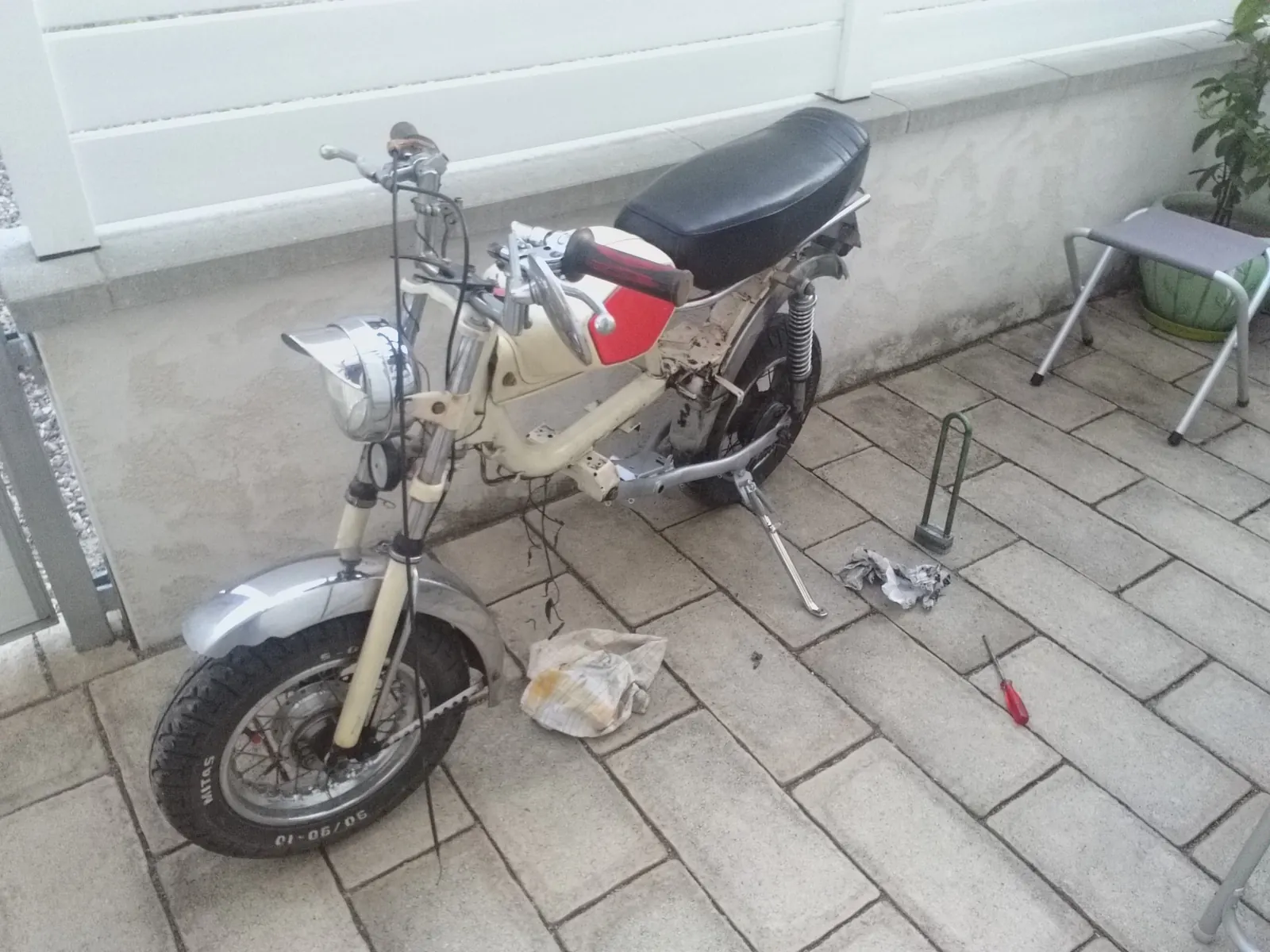
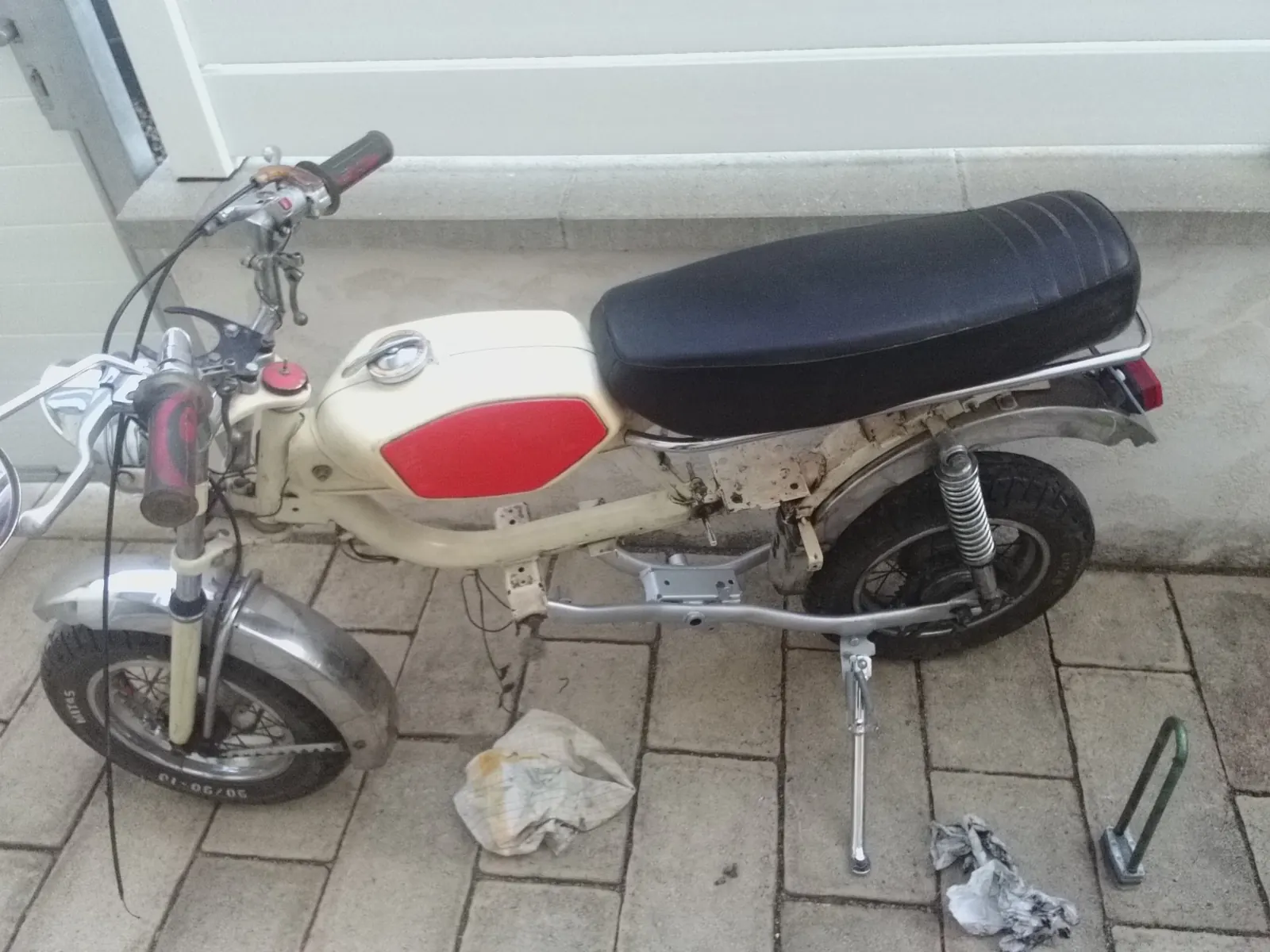
All rolling, except one bearing

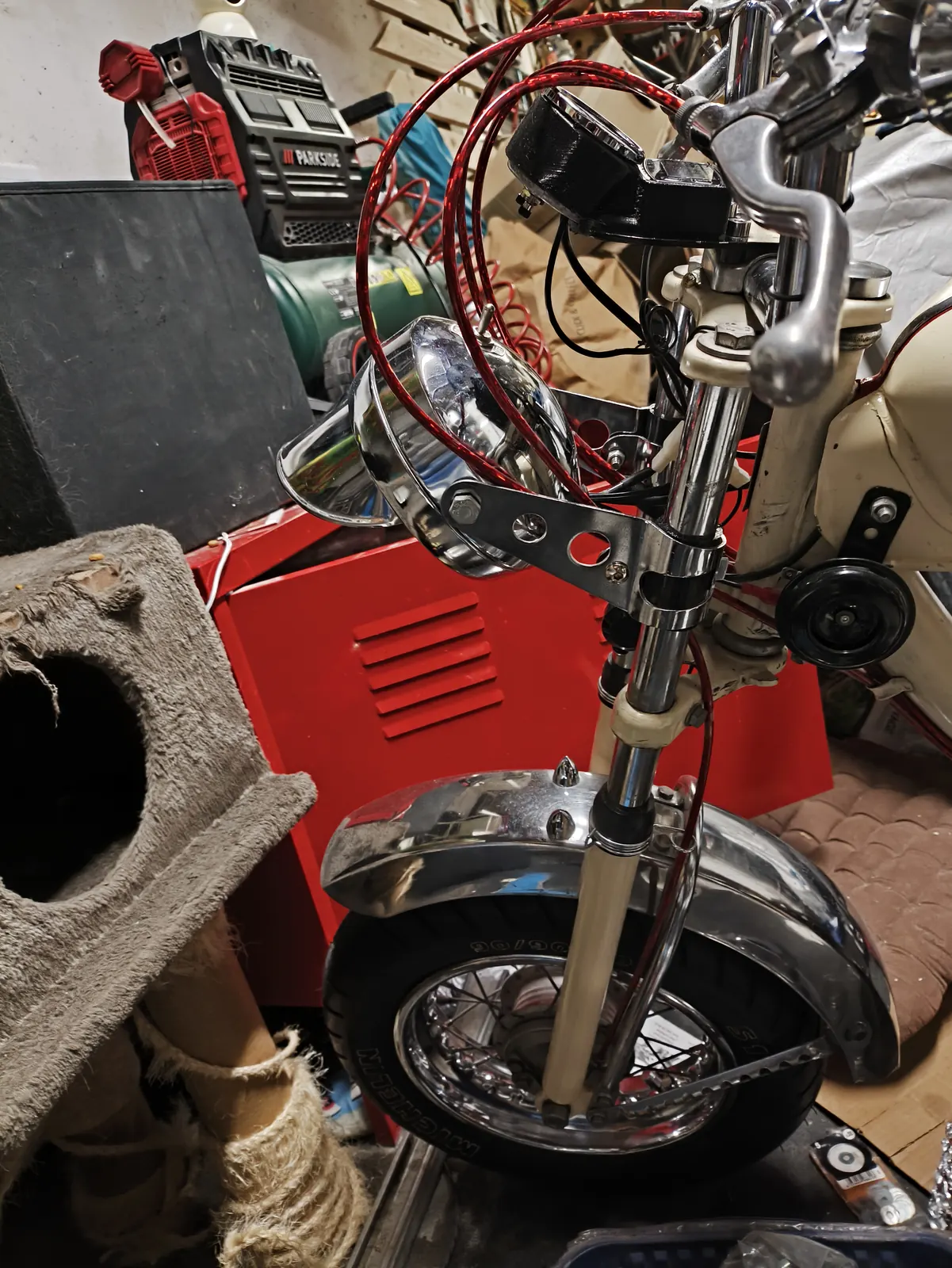
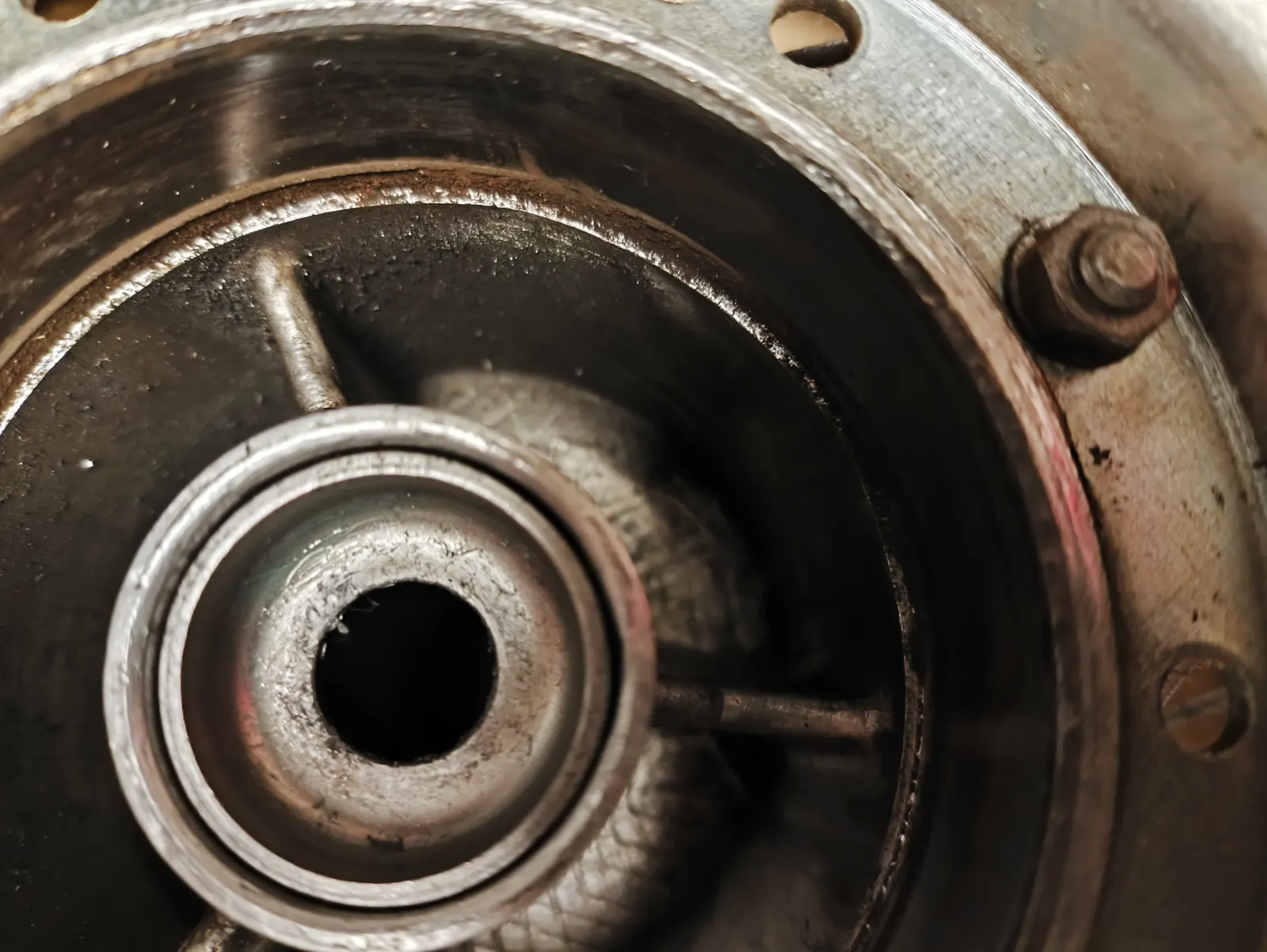
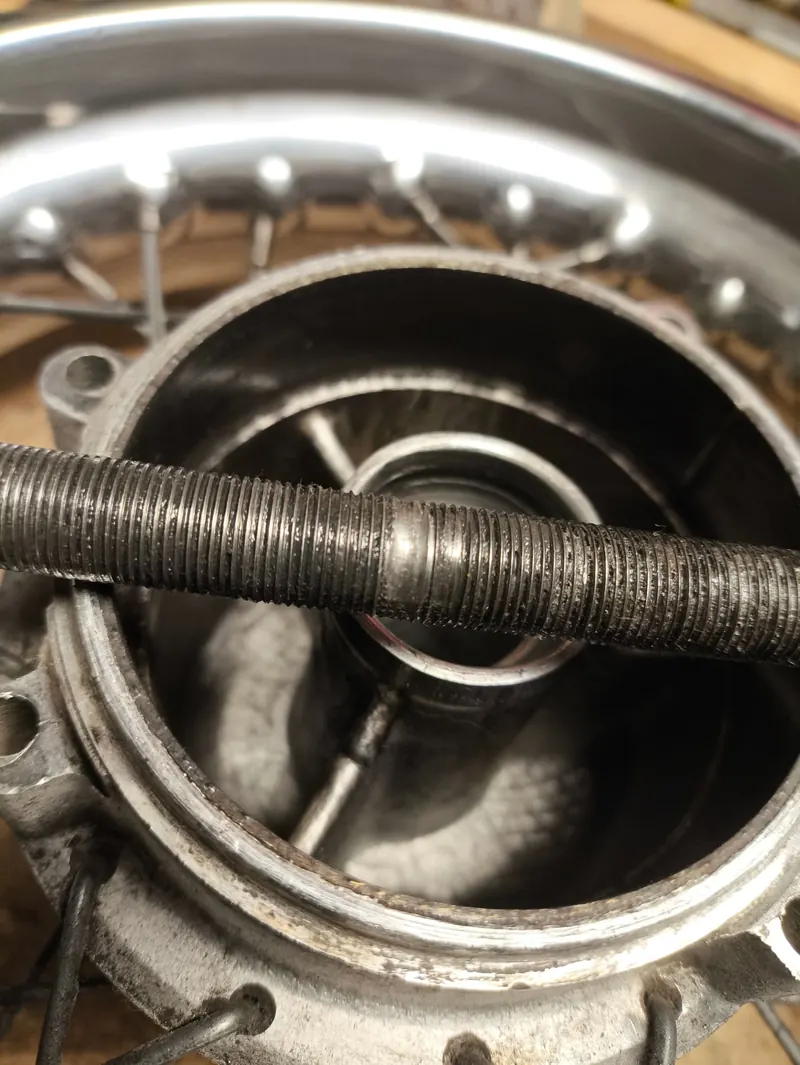
New side panels, transmission set up, Polini Sport V2 fitted. I also put back more standard headlight brackets, closer to the fork. Latest snag: a rear wheel bearing developed play, and I had to change the rim. I'm going to see a machinist to find out whether the original loose ball bearings can be replaced with 30 mm bearings.

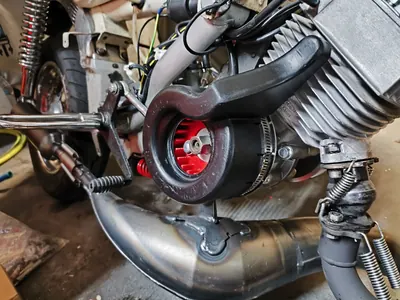
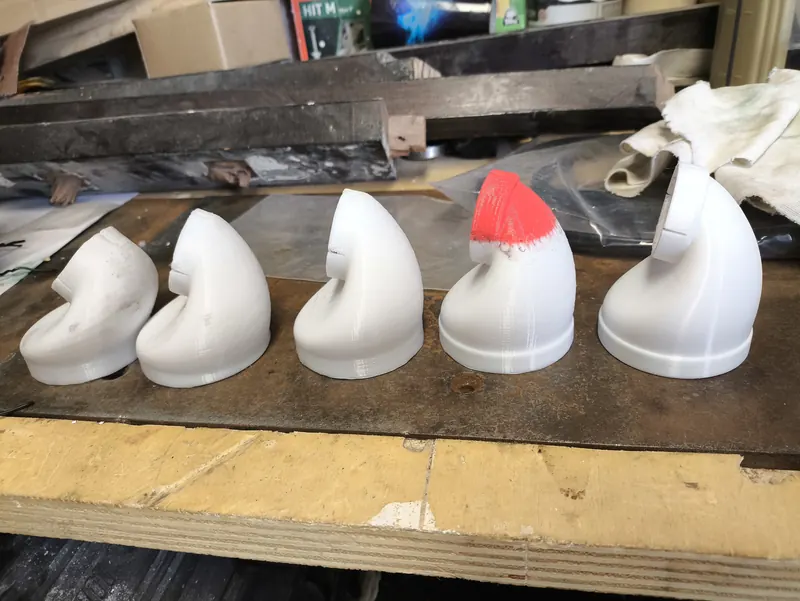
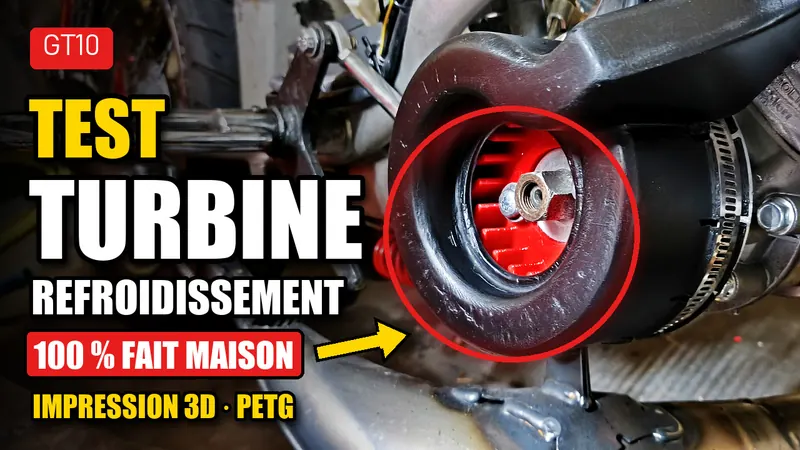
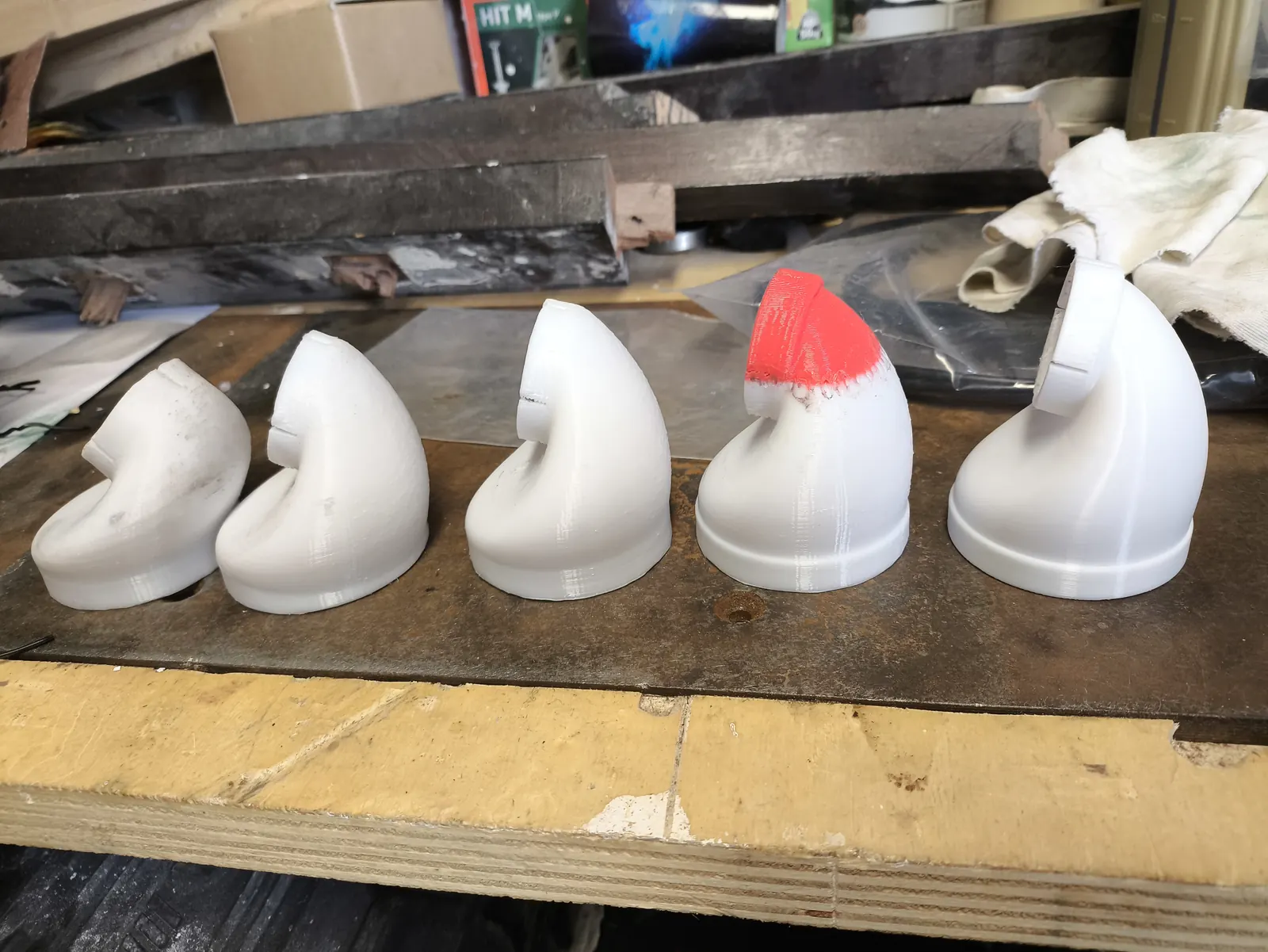
Alongside that, I'm testing a forced-air cooling system I designed and 3D-printed: a fan spins with the ignition inside a shroud fixed to the casing with a 100 mm hose clamp, and a duct blows air onto the cylinder fins. It only matters when standing still with the engine running: on the move the airflow is enough, but at a standstill the engine still gets a minimum of cooling. The first attempt taught me a lesson: the base of the blades was too thin, the PETG deformed as it spun and rubbed against the ignition just behind it. Hence the 0.5 mm washer, which now spaces the fan away. It's still a PETG prototype, to be reprinted in at least PETG-CF to last; the files are in my 3D parts. That's the GT10 as it rides today.

  • Headlight brackets
  • Rear rim replaced
  • Cooling fan
  • Ongoing project

Watch the cooling test video ↗

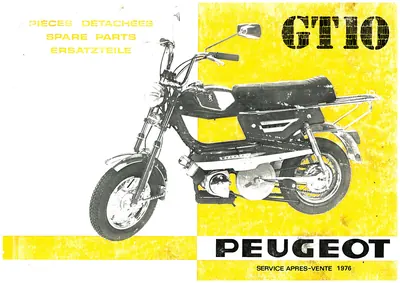
Cover of the Peugeot GT10 spare parts catalogue, 1976 after-sales service
Documentation

The 1976 catalogue and the GT10 archives

Peugeot's official catalogue as a free PDF, the handlebar fitting sheet and the tyre pressures. And some archives: the GT10 at the 1972 Paris motorcycle show, a Télé Poche spec card and Jacques Villeret riding one.

All the documentation →

On video

On my YouTube channel

The slide show

35 slides · 4 trays · flick the indicators to move on

No. 012000sOut of the cellar, with its orange decals and indicators

Indicators
Hornrandom
Headlightenlarge
Sound